BRICS Clean Energy Race Risks Creating a New Energy Divide
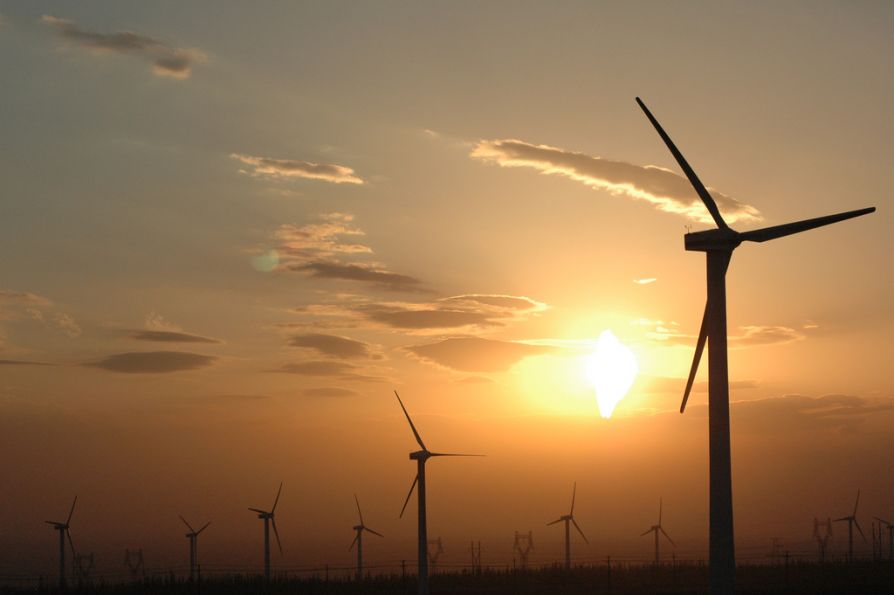
In a small village on the edge of a vast BRICS nation, the sun rises over a field of solar panels. The panels were built to power a nearby city. The village still waits for its first reliable electric line. This scene captures the quiet paradox of the clean energy revolution. A study published in Energies has traced this contradiction across BRICS countries from 2000 to 2023. The findings point to a troubling future. The race to renewable energy, if left unchecked, could create a new energy divide.
The study is more than a cautionary tale. It is a map of a moment. From 2000 to 2023, BRICS nations expanded wind and solar capacity at remarkable speed. Yet the researchers found that this expansion has not always eased energy poverty. In fact, in some places, the green transition has sharpened the gap between those with clean and reliable power and those who are left to burn wood, dung, or diesel.

A Green Leap That Leaves Some Behind
Energy poverty is a quiet crisis. It means a home without light after sunset, a hospital without power for vaccines, a child who cannot study because the grid is too far away. The BRICS bloc, which includes Brazil, Russia, India, China, South Africa and new member states, holds over a third of the world’s population. How these countries manage the shift to renewables will decide whether clean energy becomes a bridge or a barrier.
Energy poverty is rarely dramatic enough to make headlines. It is the slow grind of daily survival. Families wake before dawn to fetch firewood. Mothers choose between buying food and charging a phone. Clinics store vaccines in coolers because refrigerators cannot run. The study gives a name to this struggle and measures it year by year. This is what makes the research so important.
The authors of the study looked at data across two decades. They measured energy poverty by access to electricity, affordability of modern energy, and reliability of supply. They also measured the growth of renewable energy generation and policy support. The conclusion is clear: more renewables do not automatically mean less poverty.
Renewables Are Not Automatically Inclusive
The clean energy transition is often described as a rising tide that lifts all boats. But a tide can also leave some boats stranded on the shore. Solar panels and wind turbines produce power, but they do not decide who receives it. Without new transmission lines, energy storage, and careful planning, renewable electricity flows to profitable customers first. Industrial parks, cities, and export markets pull the power away from villages that need it most. This is the hidden geography of the energy transition.
Even when a new solar farm rises in a rural area, the jobs and profits often belong to outside companies. Local people may gain little except the sight of wires passing above their homes. This is not the fault of the technology. It is the result of investment choices and regulatory design. The study shows that the benefits of renewable energy are distributed unevenly, both within countries and across the BRICS bloc.
Affordability is just as important as availability. Even when a clean energy grid reaches a poor community, the monthly bill can be too heavy. Many families then return to cheaper and dirtier fuel. The study warns that policy makers must pair renewable projects with subsidies, lifeline tariffs, and payment plans. Otherwise, the green transition becomes a privilege, not a public service.

Uneven Progress Across BRICS
The experience of each BRICS member is different. China has built massive solar and wind capacity and lifted hundreds of millions out of extreme poverty. Yet there are still regions where access to modern energy remains fragile. India has electrified almost every village, but reliable and affordable power for all households is still a work in progress.
South Africa struggles with load shedding and inequality in energy distribution. Brazil relies heavily on hydropower, but remote communities in the Amazon still depend on diesel generators. Russia, with its fossil fuel wealth, has been slower to embrace the renewable race. The study shows that within every BRICS country there is a mixed record. The new members, including Ethiopia, Iran, Egypt, and the United Arab Emirates, add even more complexity to the picture.
The diversity of the BRICS bloc is its greatest strength and its greatest challenge. A one size fits all approach cannot work. What succeeds in Shanghai may fail in Johannesburg. What helps Sao Paulo may not help Kolkata. The study argues that national governments must design energy transitions that reflect local realities, existing infrastructure, and the human needs of each community.
The New Energy Divide Is a Policy Choice
A divide is not a natural disaster. It is an outcome of decisions. Decisions about where to place a solar farm, how to price electricity, and whose grid gets upgraded first. The study suggests that the clean energy divide is not caused by technology but by policy priorities.
When governments treat renewable energy mainly as a commodity for export or as a badge of urban modernity, energy poverty deepens. When they treat it as a public good, the divide can close. The report calls for a just transition that includes local ownership, consultation, and fair distribution of benefits. Without this, the race to net zero could leave millions stranded in the dark.
There is also a global dimension to this divide. Rich countries and private investors are pouring money into large renewable projects that generate carbon credits and green certification. But these projects do not always reach the people who need energy the most. The study reminds us that a solar farm in a desert can be built for profit while a nearby village remains without a single streetlight. This is the new energy divide in its most visible form.
How BRICS Can Bridge the Gap
The tools to close the divide already exist. Community owned solar projects put power in the hands of local people. Mini grids can serve rural areas that big utilities ignore. Battery storage can make clean power reliable even when the sun sets. Regional power pools can move surplus energy from one area to another, balancing supply and demand.
Finance matters too. Low interest loans, international climate funds, and cross BRICS investment can lower the cost of clean energy projects. Technology sharing between members can speed up deployment. But the most important step is political will. The study insists that energy poverty must be a central metric for evaluating climate policy, not an afterthought. 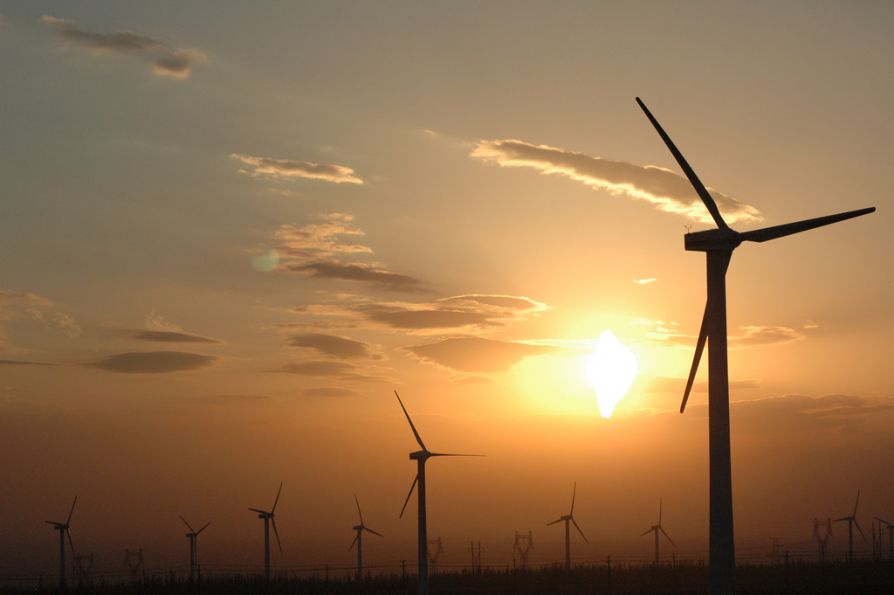
Governments can also create energy quotas that require a portion of renewable power to serve low income communities. They can support cooperatives and local businesses that install solar roofs in underserved neighborhoods. They can invest in public transport and electric mobility so that clean energy benefits every citizen, not just the wealthy. These are practical steps, not abstract ideals.
A Light That Must Not Wait
The race is on. Every day, new turbines turn and new panels glow across the BRICS world. But a race without a social compass will leave millions behind. The true finish line is not a gigawatt target. It is a light switched on in a home that has waited too long. BRICS has the resources, the technical power, and the collective institutions to bridge the divide. The only question is whether its leaders choose to build bridges or walls.