Europe's Nuclear Shift: Germany and France to Conduct First Joint Nuclear Drills
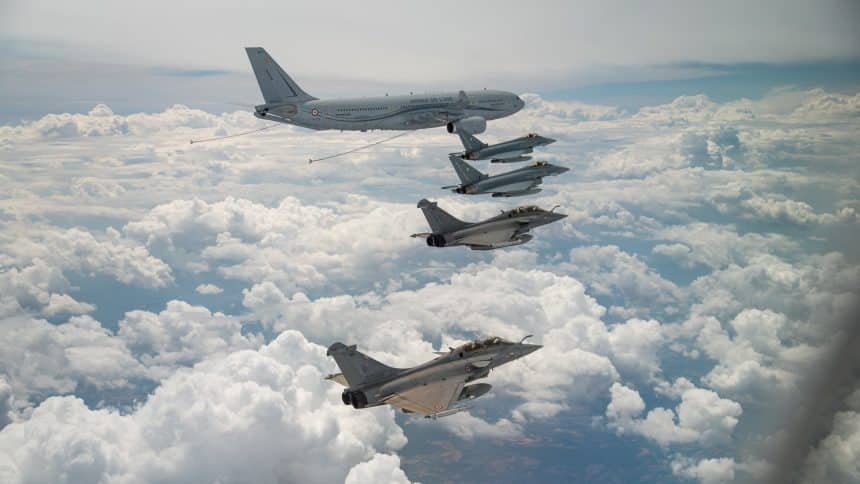
For decades, the idea of Germany having a nuclear trigger was unthinkable. The ghosts of two world wars and the Cold War division made any such move taboo. Yet today, the winds of change are howling across Europe. This week, Berlin and Paris announced a historic step: the first ever joint nuclear drills between Germany and France. 
A Historic First
Picture a map of Europe. From the Baltic to the Black Sea, a new network of nuclear capabilities is being woven. The drills, set to involve German F-35 jets carrying US nuclear gravity bombs, French nuclear-capable Rafale fighters operating from both German and French bases, and US supplied land based missile systems like the Typhon, mark a departure from the cautious, denuclearized posture that defined post war Germany. For France, it's a chance to project its independent nuclear deterrent deeper into Eastern Europe; for Germany, a step toward a more muscular role in collective defense.
The Web of Strike Options
The technical details are staggering. German F-35s, under NATO nuclear sharing agreements, will be equipped with B61 gravity bombs, a modernization of the US arsenal. French Rafales, already nuclear capable, will operate from German airfields, effectively placing French nuclear assets on German soil for the first time since the Cold War. And then there's the Typhon system – a US designed land based missile launcher that can fire Tomahawk cruise missiles with a range exceeding 2,500 kilometers. From German bases, these can strike targets deep inside Russian territory, from Kaliningrad to the Ural Mountains.

Why Now? A Response to Russian Aggression
The timing is no coincidence. Russia's full scale invasion of Ukraine in 2022 shattered Europe's post Cold War assumptions. The Kremlin's frequent nuclear saber rattling, from threats to use tactical nukes to the deployment of Iskander missiles in Kaliningrad, has forced European NATO members to rethink their own deterrence. Germany, long reliant on the US nuclear umbrella, now sees the need for a more layered, European owned deterrent. France, with its independent force de frappe, has long advocated for a common European defense pillar. These drills are the first concrete step toward that vision.
NATO Nuclear Sharing vs. European Autonomy
This development sits at the intersection of two competing narratives. On one hand, the drills are a continuation of NATO nuclear sharing, with US weapons and platforms at the core. On the other, they mark a push for greater European strategic autonomy. France has insisted that its nuclear weapons remain under French command, but is willing to integrate them into joint exercises with German forces. The result is a hybrid model: US bombs on German planes, French missiles on German soil, and US launchers in German hands. It's a complicated, but pragmatic, arrangement. 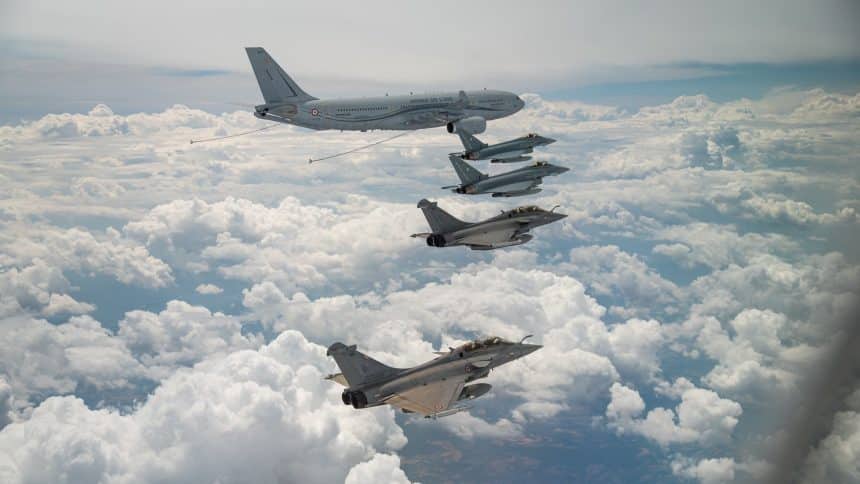
Reactions from Moscow and Beyond
Unsurprisingly, the Kremlin has reacted with fury. Russian officials have warned that these drills cross a red line, accusing NATO of preparing for a direct confrontation. But for European leaders, the message is clear: we will not be intimidated. The drills also raise legal and political questions within Germany. The German constitution, which renounces the use of force except in self defense, does not explicitly ban nuclear cooperation, but the issue remains sensitive. Polls show a majority of Germans still oppose hosting nuclear weapons, but the shift in public opinion is measurable as the threat from Russia becomes more palpable.
Technical and Strategic Implications
From a military standpoint, the drills will test interoperability. German F-35s are fifth generation stealth fighters; French Rafales are fourth generation but highly agile. Integrating them in a nuclear strike mission requires new command and control protocols. The Typhon system adds a ground based component, something Europe has lacked since the INF Treaty banned land based intermediate range missiles. The US withdrawal from the INF Treaty in 2019 opened the door for such systems, and now Europe is embracing them. The Tomahawk missile, while conventionally armed in most scenarios, can be fitted with nuclear warheads, though current US policy keeps it conventional. Nevertheless, the capability sends a potent signal.
A New European Deterrence Posture
These drills are just the beginning. Defense analysts expect a spiral of exercises, with more frequent rotations of nuclear capable aircraft and expanded storage sites. Germany is building new hardened shelters for F-35s at Büchel Air Base, the current home of US nuclear bombs. France is upgrading its Rafale fleet with enhanced nuclear delivery systems. The Typhon system is expected to be deployed in multiple European countries, creating a mobile, difficult to target arsenal. The end goal is a deterrence network that is resilient, distributed, and capable of responding to any threat.
The Human Element
Behind the headlines, there are real people grappling with these changes. German air force pilots training for nuclear missions; French engineers loading missiles onto Rafales; local communities protesting outside bases. The town of Ramstein, home to the US air base, has seen both support and opposition. For the soldiers, it's about defending their countries. For the activists, it's an echo of the Cold War protests that once filled European streets. The debate is raw, emotional, and unavoidable.
Conclusion: A New Era of European Defense
The joint German French nuclear drills are not just a military exercise; they are a declaration of intent. Europe is no longer content to be a passive host to American nuclear weapons. It wants a seat at the table, a finger on the button. The path ahead is fraught with risks – escalation with Russia, internal political strife, and the moral weight of nuclear weapons. But for now, the decision is made. The web is being woven. And the world is watching.