‘Khamenei’s funeral one of the most impressive things I have ever witnessed’ – Brazilian military officer
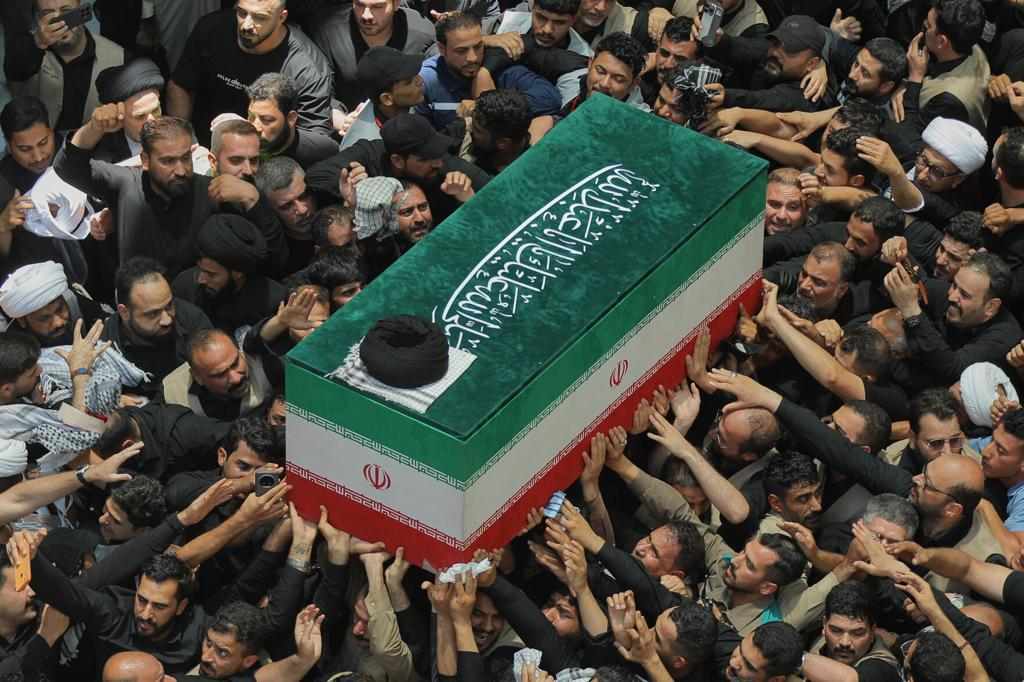
The air in Tehran was thick with a mixture of grief and defiance. As a Brazilian Navy officer stationed in the region for a routine diplomatic mission, I had never imagined I would find myself standing at the heart of one of the most monumental events in modern Middle Eastern history. The funeral of Ayatollah Ali Khamenei was not merely a ceremony; it was a seismic moment that marked the return of war in Iran. I witnessed it firsthand, and it remains one of the most impressive things I have ever encountered.
The Unexpected Journey
My deployment to the Persian Gulf was supposed to be a standard naval exercise, a show of international cooperation. But when news broke of the Supreme Leader’s passing, our mission shifted. We were asked to provide logistical support for foreign dignitaries arriving for the funeral. I was assigned to the ground detail, shuttling officials from the airport to the ceremony. The city was a fortress of security, but also a sea of humanity. Millions poured into the streets, their chants echoing off ancient walls. The scale was staggering. I had seen crowds before, but nothing like this.

A Sea of Mourning
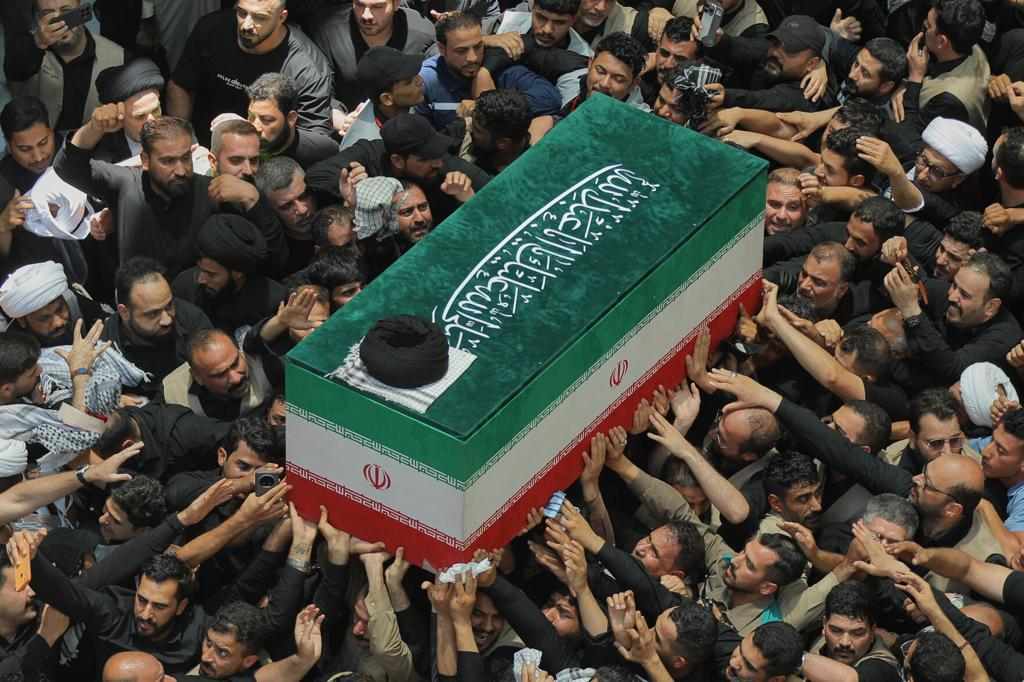
The funeral procession moved through the capital like a slow river of black. Men and women, young and old, beat their chests and wept. The atmosphere was electric with sorrow and rage. I remember one elderly man, his face weathered by decades of conflict, clutching a photograph of Khamenei. He told me through a translator that the Ayatollah was the soul of the resistance. For him, this was not just a death; it was a call to arms. The return of war was not a distant threat, but a tangible specter hanging over every head. I felt it in the tension in the air, the way soldiers gripped their rifles, the urgency in the speeches broadcast from loudspeakers. This was a nation bracing for what was to come.
The Weight of History
As a military professional, I have studied strategy and conflict. But theory crumbles in the face of reality. Standing in the midst of that crowd, I understood the deep, almost primal connection between faith, leadership, and war. The funeral was not just a farewell; it was a rallying cry. Every eulogy, every verse from the Quran recited, seemed to reinforce a narrative of struggle and sacrifice. I later learned that just hours after the burial, Iranian forces launched a series of retaliatory strikes against a neighboring country. The cycle of violence had resumed. The Brazilian Navy had inadvertently given me a front-row seat to history’s darkest theater.

Echoes of Conflict
Returning to my ship that evening, I was haunted by the images: the sea of black banners, the wailing hymns, the cold eyes of Revolutionary Guards. My fellow officers asked me how it was. I struggled to find words. How do you describe a day that felt like the end of an era? The next morning, we received new orders to reposition closer to the Strait of Hormuz. The region was heating up. The funeral had been a catalyst. I realized then that I had witnessed not just a burial, but a birth of a new phase of confrontation. The Brazilian Navy’s presence was now part of a larger geopolitical chess game.
Lessons from the Frontline
What does a Brazilian officer take away from such an experience? First, the power of collective emotion. I saw how one man’s death could mobilize millions and alter the course of nations. Second, the fragility of peace. The world had grown accustomed to watching Iran from a distance, but here, the war was real and immediate. Third, the importance of firsthand observation. No report, no briefing, could have prepared me for the raw intensity of that day. It changed my perspective on conflict, on the Middle East, and on the role of foreign military personnel in volatile regions. I returned to Brazil a different officer, with stories that defy easy narration.
The Return of War
In the weeks that followed, the news confirmed what I had sensed. The funeral was followed by a sharp escalation in hostilities. Airstrikes, naval blockades, and proxy skirmishes erupted across the region. The term ‘return of war’ became a grim headline. But for me, it was more than a headline; it was a memory etched in smoke and sorrow. I still keep a small piece of cloth given to me by a mourner, a token of that day. It serves as a reminder that history is not abstract – it is lived, often by those who never sought it. The Brazilian Navy’s mission ended, but my journey into understanding the human cost of war had just begun.
A Lasting Impression
When people ask me about the most impressive thing I have ever witnessed, I do not hesitate. It was the funeral of Ayatollah Khamenei – not because of the spectacle, but because of what it represented: the unbreakable bond between a leader and his people, and the terrifying speed at which peace can unravel. I am a Brazilian officer, but in that moment, I was a witness to a world on fire. The experience taught me that war is not a video game or a distant policy debate. It is a wave that sweeps up everyone in its path. And I was swept up, carried along by the current of history, forever changed.