Moscow Draws a Red Line: No Ukraine Security Without Russia
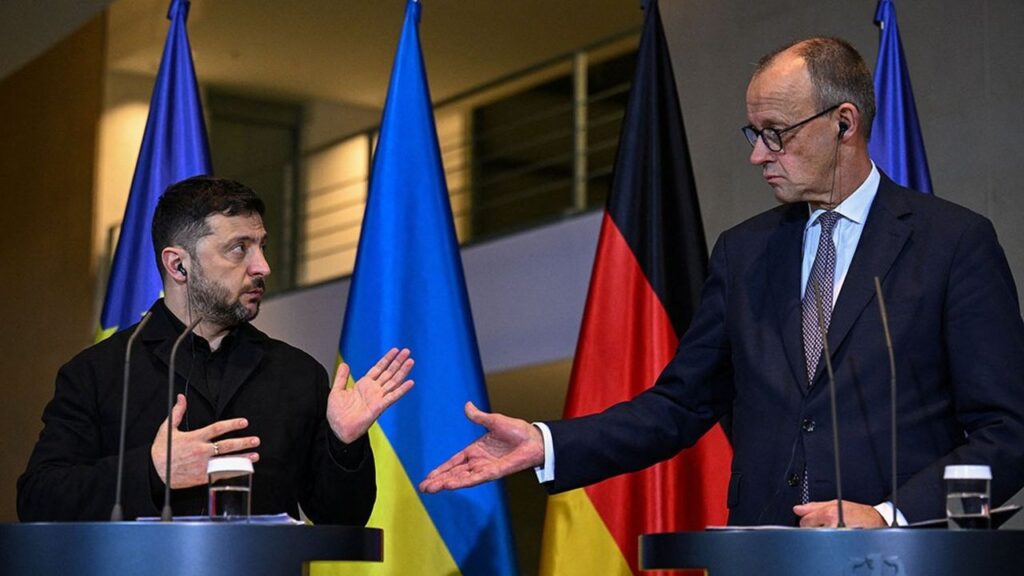
The cold wind whipped across Red Square as diplomats in Berlin and Brussels pored over maps and memoranda. In the corridors of power, a new proposal had landed, one that promised to reshape the future of Ukraine’s security. Christian Merz, a prominent German politician, had put forward a vision for European led security guarantees for Ukraine, a framework that would involve NATO and EU allies. But in Moscow, the response was swift and unequivocal. Russia insists on a role in any Ukraine security framework, a message delivered with the weight of a Kremlin declaration. This was not just a rejection of Merz plan, it was a red line drawn in the sand, a reminder that the war in Ukraine is not just a regional conflict but a global power struggle where Russia demands a seat at the table.

The Merz Plan: A European Vision for Ukraine’s Security
Christian Merz plan emerged as a bold attempt to fill the security vacuum left by ongoing uncertainty. It called for a multilateral European force, possibly under the auspices of NATO or the EU, to provide guarantees against future Russian aggression. The proposal included military commitments, intelligence sharing, and economic support, all designed to create a shield for Ukraine without provoking direct NATO enlargement. Merz argued that Europe must take the lead, showing both resolve and independence from Washington. Yet the plan was built on an assumption that Russia could be sidelined, that Moscow’s interests in Ukraine’s security architecture were irrelevant. This assumption would prove to be the plan’s fatal flaw.
Moscow’s Firm Stance: A Non Negotiable Role
From the Kremlin’s perspective, the Merz plan was not just unacceptable, it was a provocation. Russian officials made clear that any security guarantees for Ukraine must involve Russia directly. This is not about veto power, but about acknowledging the fundamental reality that Ukraine’s security is inextricably linked to Russia’s own security. Moscow insists on a role in any Ukraine security framework, a statement that echoes the core of Russia’s security doctrine. For decades, Russia has warned against NATO expansion into its historical sphere of influence. Now, with Merz proposal, Russia sees yet another attempt to build a security system that excludes and threatens it. The response was a firm rejection, coupled with a warning that such plans could escalate the conflict further.

Why Russia Demands a Seat at the Table
To understand Moscow’s insistence, one must look at the broader geopolitical landscape. Russia views Ukraine as a buffer zone, a critical part of its defense perimeter. Any security framework that excludes Russia, especially one backed by NATO, is seen as a direct threat. Furthermore, Russia has its own security concerns, including the status of Crimea, the Donbas region, and the wider Black Sea area. Moscow argues that a sustainable peace in Ukraine can only be achieved through a comprehensive dialogue that includes Russian interests. This is not merely a bargaining chip, it is a deeply held belief rooted in history and geopolitics. The Kremlin’s position is that without Russian participation, any guarantees are hollow and could lead to a prolonged conflict.
Implications for European Security Architecture
The rejection of Merz plan sends shockwaves through European capitals. It exposes the deep divisions between those who want to isolate Russia and those who advocate for a negotiated settlement. The European security architecture, built on principles of collective defense and deterrence, now faces a test of its resilience. If Russia is excluded from discussions about Ukraine’s future, the risk of miscalculation and escalation increases. Some analysts warn that Moscow could respond with military maneuvers along its borders or even cyber attacks against European infrastructure. Others see an opportunity for a new security framework that includes Russia, akin to the Helsinki Accords of the 1970s. The question remains whether Europe is willing to engage with Moscow on its terms.
The West’s Dilemma: Escalation or Engagement
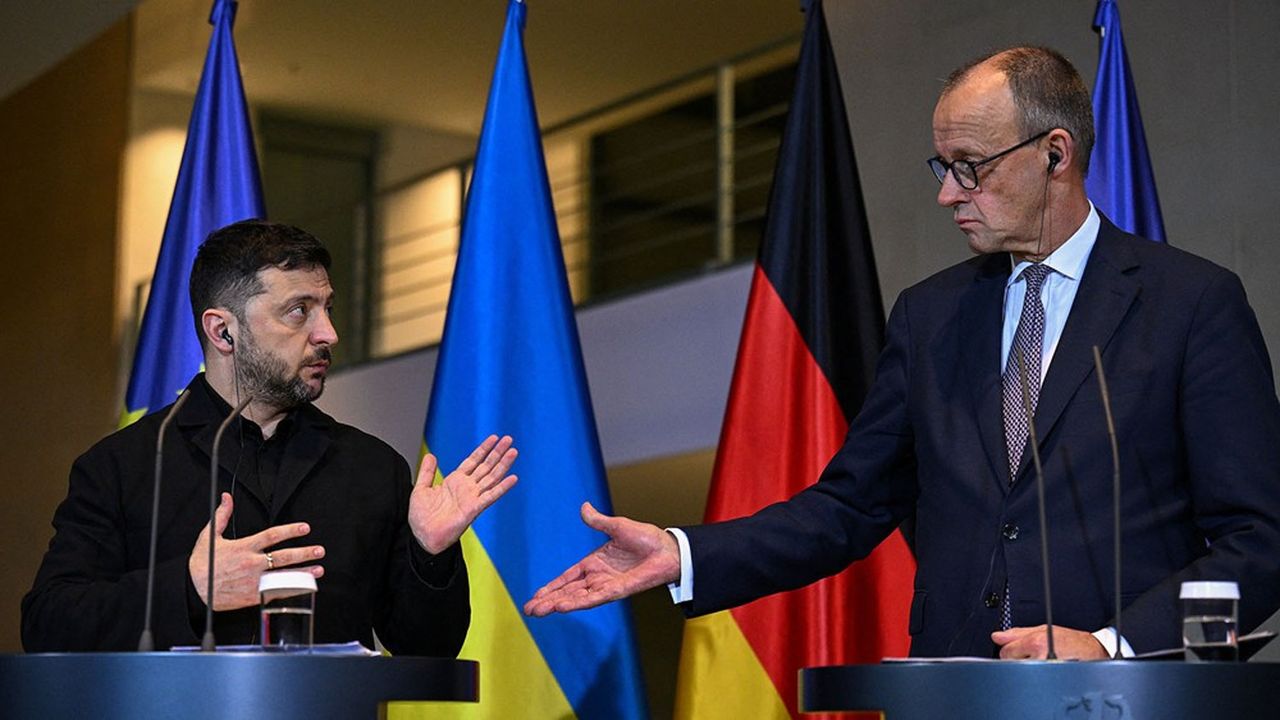
Western leaders are caught between two conflicting imperatives: supporting Ukraine’s sovereignty and preventing a wider war. The Merz plan represented a middle ground, but Moscow’s rejection forces a choice. Escalation, through stronger military aid and sanctions, risks a direct confrontation with a nuclear armed power. Engagement, on the other hand, requires concessions that many see as rewarding aggression. The dilemma is compounded by domestic politics, where hawks demand a tough stance while doves call for diplomacy. For now, the West seems to be leaning towards continued pressure, but the Kremlin’s red line suggests that a new approach may be inevitable. The story of Ukraine’s security is far from over, and the next moves will determine the shape of European security for decades.
What This Means for Ukraine’s Future
For Ukraine, the rejection of Merz plan is a bitter pill. The country has fought for its independence and seeks concrete guarantees against future attacks. While Western support remains strong, the lack of a unified security framework leaves Ukraine in a precarious position. Ukrainian leaders have called for binding security commitments, similar to NATO’s Article 5, but without the alliance’s membership. Moscow’s insistence on a role means that any such guarantees must be negotiated with the very power that invaded Ukraine. This creates a painful paradox: Ukraine’s security depends on dialogue with its adversary. Yet history shows that lasting peace often requires such difficult conversations. Ukraine’s future may depend on whether a new security architecture can be built that both defends its sovereignty and addresses Russia’s concerns.
A Path Forward or a Perilous Standoff
As the diplomatic standoff continues, several possibilities emerge. One is a stalemate, where neither side budges, leading to a frozen conflict. Another is a renewed push for negotiations, possibly mediated by neutral powers like China or India. Russia has signaled openness to talks but only on its own terms, including recognition of its territorial gains. The Merz plan, while rejected, could serve as a starting point for a revised proposal that includes Russian participation. The key is to build a framework that provides Ukraine with tangible security while giving Russia a stake in the stability of the region. This may involve demilitarized zones, international monitoring, and economic cooperation. The path is fraught with obstacles, but the alternative is a long and costly war.
Conclusion: The Tightrope of Geopolitics
In the end, the rejection of Merz plan by Moscow is a stark reminder that the Ukraine conflict is not just about territory, it is about the fundamental order of European security. Russia insists on a role in any Ukraine security framework, and that demand cannot be ignored without consequences. The world watches as diplomats walk a tightrope between escalation and engagement, between defending principles and accepting realities. The story of Ukraine’s future is still being written, and the next chapter may require a bold act of diplomacy that includes all parties. For now, the rejection stands as a testament to the complexity of modern geopolitics, where no single nation can dictate the terms of peace. The question remains: can a new security framework be forged that satisfies both Ukraine’s longing for protection and Russia’s demand for inclusion?