Why the West is Missing the Real Story Behind the BRICS Moscow Summit
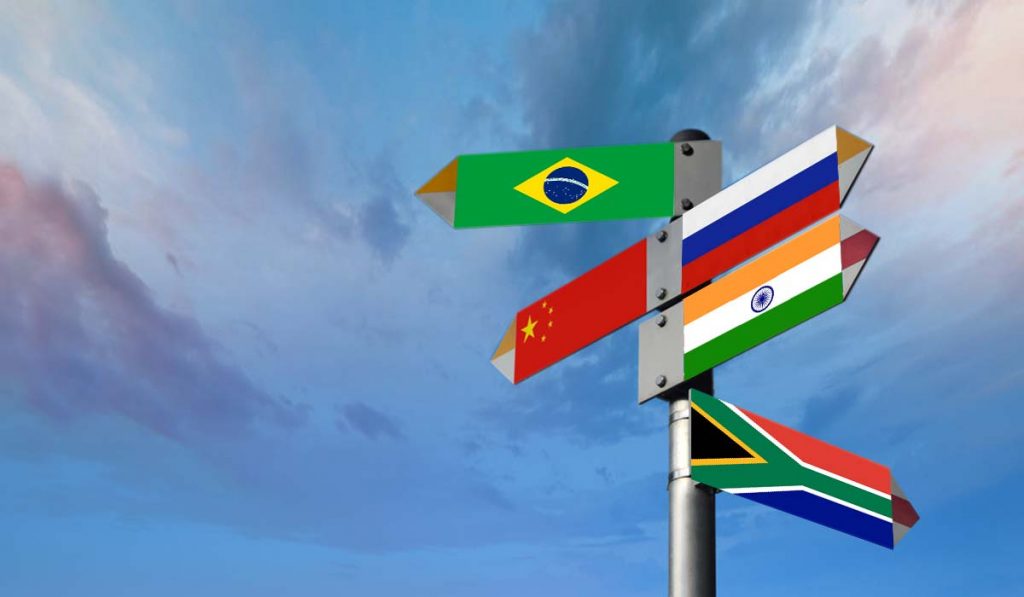
There is a quiet revolution happening in Moscow, and most of the Western world is looking the other way. The BRICS summit was not just another diplomatic gathering. It was a declaration. A declaration that the old financial order, built on a foundation of dollar dominance and Western controlled institutions, is crumbling. The world is watching, but the West is missing the real story. They see geopolitical posturing. They see Russia and China flexing muscles. They miss the quiet, methodical work of building something new. Something that could change the way money moves across borders, the way nations borrow, and the way the global economy breathes. This is not about politics. This is about money. And money, as they say, makes the world go round. But whose world? That is the question the BRICS Moscow summit dared to ask.

The narrative coming out of mainstream Western media is predictable. They frame the BRICS summit as a gathering of disgruntled powers, a club for those who feel left out of the global game. They highlight the absence of certain leaders, the internal differences, the struggle to agree on a common currency. They focus on what is broken, what is missing. But they miss the forest for the trees. The real story is not about what BRICS lacks. It is about what it is building. A parallel financial system. A network of payment systems, currency swaps, and development banks that bypass the traditional Western routes. It is slow, messy, and far from complete. But it is happening. And the West, obsessed with its own narratives, is not paying attention.
The Ground Up Reform
The headline from the summit was clear: reforming global finance from the ground up. What does that mean exactly? It means challenging the monopoly of institutions like the International Monetary Fund and the World Bank. It means creating alternatives for trade settlement that do not rely on the US dollar. It means developing new payment systems like the Chinese CIPS or the Russian SPFS that can operate independently of SWIFT. It means building a new reserve asset, possibly a basket of currencies backed by commodities, that could one day rival the dollar. These are not pipe dreams. They are projects with real budgets, real engineers, and real political will. The BRICS summit in Moscow did not just talk about reform. It laid out a roadmap. A roadmap that starts with small steps: mutual credit lines, local currency trade, and a shared digital payment platform. Each step is a brick in the wall of a new financial architecture.

The West tends to see these moves as a threat, a zero sum game. But that is not the full picture. The BRICS nations are not trying to destroy the global financial system. They are trying to fix it. For decades, the system has been stacked against developing nations. The dollar is strong because the US economy is strong, but it also means that every trade, every loan, every debt is subject to the whims of American monetary policy. When the US raises interest rates, the rest of the world feels the pain. When sanctions are imposed, whole economies can be cut off from the banking system. This is not sustainable. The BRICS message from Moscow was that the system must become more multipolar, more inclusive, more resilient. It is a message of reform, not revolution. And yet, because it comes from the so called challengers, the West dismisses it as propaganda.
Why This Matters Right Now
There is a reason the summit happened in Moscow, and a reason it matters right now. The war in Ukraine, the sanctions on Russia, the weaponization of the dollar: these events have accelerated the search for alternatives. Countries that once thought the dollar was too big to fail are now hedging their bets. India is trading oil in rupees. China is expanding its yuan swap lines. Saudi Arabia is considering accepting yuan for oil. Even traditional US allies like Japan and South Korea are exploring digital currencies that could reduce dollar dependency. The Moscow summit did not create this momentum. It gave it a voice. It provided a platform for dozens of nations to coordinate their efforts, to share technology, and to align their interests. The result is a growing consensus that the old system is not just unfair, it is fragile. And fragility, in a world of rising geopolitical tensions, is dangerous.
Imagine a global financial system that does not collapse when one country imposes sanctions. Imagine a system where a farmer in Africa can trade with a manufacturer in Brazil without both having to convert to dollars first. Imagine a system where the rules are set by a diverse group of nations, not just a handful of Western powers. This is the vision being built in Moscow. It is not perfect. There are disagreements, technical hurdles, and political rivalries. But the direction is clear. And for businesses, investors, and policymakers who ignore this trend, the risk is not just missing an opportunity. It is being left behind.

The Silence of the West
The most telling part of the Moscow summit was not what was said, but what was not said. The Western response was muted, almost dismissive. A few op eds, a line in a press briefing, then back to the usual crises. This silence is a mistake. It suggests that the West does not take the BRICS reform agenda seriously. But history shows that financial systems do not change overnight. They change slowly, then suddenly. The Bretton Woods system took decades to unravel. The dollar took half a century to become the dominant reserve currency. The transition away from it may also take time, but the seeds are being planted now. By ignoring the Moscow summit, the West is ignoring the gardeners. They will wake up one day to find new structures already in place, new alliances already forged, and a new financial landscape that they did not help shape.
Conclusion: The Story the West Missed
The BRICS Moscow summit was not a failure. It was a milestone. A quiet, determined step toward a world where finance serves more than just the few. The West missed the story because it was looking at the stage, not the scaffolding. The real work is happening in the background, in the joint working groups, in the prototype payment apps, in the central bank meetings. The narrative of decline, of division, of weakness is tempting, but it is wrong. What happened in Moscow was the beginning of a long journey. A journey to reform global finance from the ground up. And whether the West joins or not, the world is moving forward. The question is not if the system will change. It is when. And for those who are paying attention, the answer is already clear: it is happening right now.