Beyond Borders: How BRICS Nations Are Forging a New Era of Transport and Logistics Cooperation
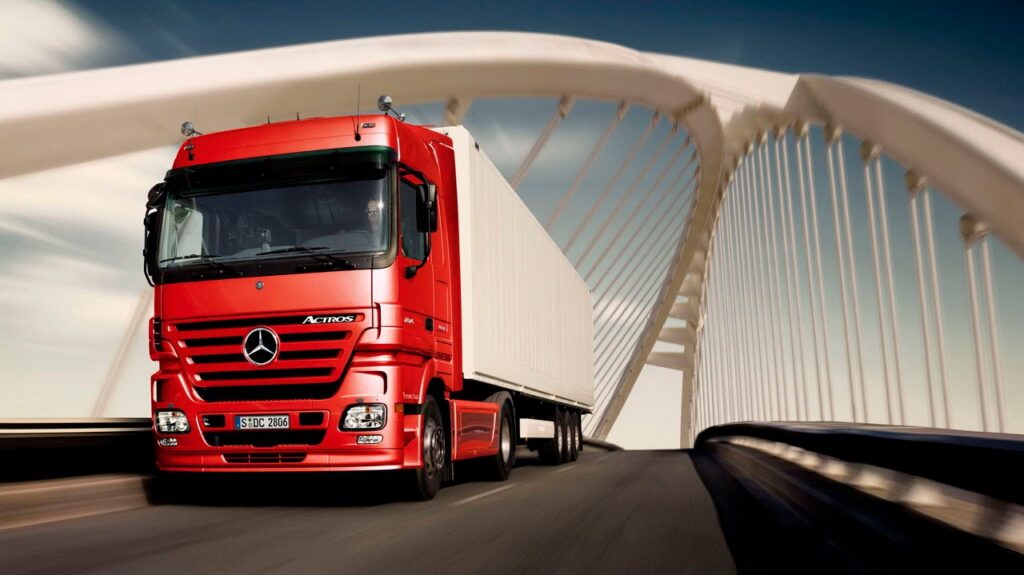
The hum of engines, the clatter of cargo, the endless lines of trucks at border crossings. For decades, these sounds have symbolized the lifeblood of global trade. But today, a new rhythm is emerging one that promises to transform how goods and people move across continents. At the heart of this transformation lies a bold vision from the BRICS nations, a coalition of major emerging economies that is now setting its sights on redefining transport and logistics cooperation.
Union Road Transport and Highways Minister Nitin Gadkari recently stood before his counterparts from Brazil, Russia, India, China, South Africa, and the newly expanded members, and delivered a powerful call to action. He urged the BRICS nations to strengthen cooperation in building sustainable, resilient, inclusive and future ready transport systems. His words resonated not just in the conference hall but across the global logistics landscape. The expanded grouping, he said, has the potential to shape the future of global mobility through innovation, technology and shared responsibility.
This is not merely a diplomatic gesture. It is a recognition that the old ways of moving goods and people are no longer sufficient. Climate change, supply chain disruptions, and rising costs demand a new approach. BRICS nations, which together represent over 40% of the world’s population and a growing share of global GDP, are perfectly positioned to lead this charge. Their diverse geographies, from the dense urban centers of India to the vast expanses of Russia, from the bustling ports of China to the resource rich landscapes of Brazil and South Africa, offer a living laboratory for transport innovation.
The Urgency of Sustainable Transport
The numbers tell a stark story. The transport sector accounts for nearly a quarter of global energy related CO2 emissions. Congestion costs economies billions of dollars annually. And inefficient logistics networks can add up to 30% to the final price of goods, disproportionately affecting developing nations. Gadkari emphasized that sustainable transport is not an option but an imperative. He called for a shift towards electric vehicles, alternative fuels like biofuels and green hydrogen, and the adoption of intelligent transport systems that optimize traffic flow and reduce fuel consumption.
India, for instance, has already embarked on an ambitious journey to electrify its public transport and build a network of highways that are not only modern but green. The country is developing dedicated freight corridors and multi modal logistics parks that integrate rail, road, and waterways. These efforts align perfectly with the BRICS vision of shared responsibility. By pooling resources and knowledge, these nations can accelerate the transition to zero emission transport systems without leaving any member behind.
Building Resilient and Inclusive Logistics Networks
But sustainability alone is not enough. The COVID 19 pandemic exposed the fragility of global supply chains. A single factory shutdown in one corner of the world could halt production thousands of miles away. BRICS nations are now focusing on resilience creating logistics networks that can withstand shocks, whether from pandemics, natural disasters, or geopolitical tensions. This means diversifying routes, investing in digital infrastructure for real time tracking, and building regional stockpiles of critical goods.
Inclusivity is another pillar of this cooperation. Many BRICS countries have vast rural and underserved populations that lack access to efficient transport. Gadkari stressed that future ready transport systems must connect everyone, not just those in cities. This includes developing last mile connectivity through small scale logistics hubs, promoting micro mobility solutions in urban areas, and ensuring that women and marginalized groups have equal access to transport opportunities. The BRICS platform can facilitate knowledge sharing on policies that have worked, such as Brazil’s Bolsa Familia transportation subsidies or India’s rural road building programs.
Innovation and Technology as Game Changers
Perhaps the most exciting aspect of the new BRICS cooperation is the emphasis on innovation. Gadkari highlighted the role of technology in shaping the future of mobility. From artificial intelligence that predicts traffic patterns to blockchain that secures supply chain transactions, the possibilities are endless. The BRICS nations are already home to some of the world’s leading tech companies and research institutions. By creating joint innovation hubs and cross border pilot projects, they can develop solutions tailored to the unique challenges of emerging economies.
For example, Russia has expertise in Arctic shipping routes, India in digital payment systems for tolls, China in high speed rail, Brazil in biofuel aviation, and South Africa in mining logistics. Combining these strengths could lead to breakthroughs that no single nation could achieve alone. Imagine a cargo route that uses solar powered drones for last mile delivery, or a unified digital platform that allows a truck to cross from India to Russia with a single customs clearance. These are not distant dreams; they are the practical outcomes of the cooperation Gadkari envisions.
A Shared Responsibility for Global Mobility
The minister’s call for shared responsibility is a reminder that transport and logistics are not just national concerns. They are global public goods. The BRICS nations, by acting together, can set standards that ripple across the world. Their decisions on fuel efficiency, emission norms, and digital interoperability will influence how other countries design their systems. This is a moment of leadership, not just for the member states, but for the entire developing world.
Already, there are signs of momentum. The BRICS Transport Ministers’ meetings have resulted in agreements on cross border connectivity projects, such as the International North South Transport Corridor (INSTC) that links India to Russia via Iran. Other initiatives include the establishment of a BRICS logistics network that aims to reduce transit times and costs. Gadkari’s speech added a layer of urgency, framing transport as a tool for economic empowerment and environmental stewardship.
Conclusion: The Road Ahead
As the sun sets on the old era of fragmented transport systems, a new dawn rises. The BRICS nations, united by a shared vision and a sense of responsibility, are laying the tracks for a future where mobility is clean, resilient, and inclusive. The journey will not be easy. It will require massive investments, political will, and a willingness to embrace change. But as Nitin Gadkari reminded his colleagues, the potential is immense. The expanded BRICS bloc can shape the future of global mobility, and in doing so, create a world where distances shrink, opportunities expand, and no one is left behind.
The road ahead is long, but the wheels of cooperation are already turning. And with every mile, BRICS is proving that when nations unite, they can move mountains.