India’s Strategic Move: Eyeing Russian Coking Coal Assets to Secure Critical Mineral Supply
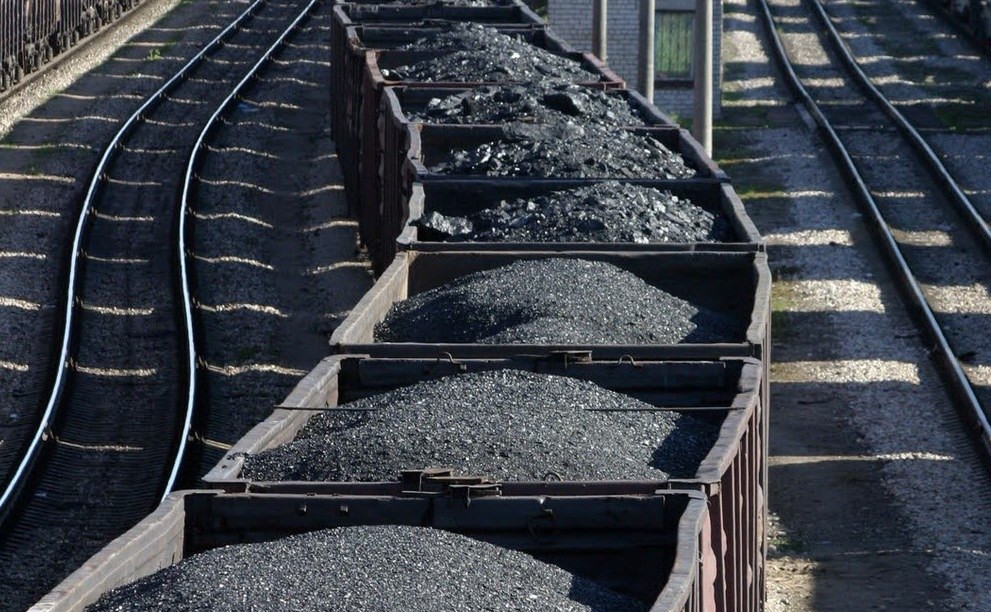
In the heart of New Delhi, where the clang of steel has long been the soundtrack of industrial ambition, a quiet but seismic shift is underway. Indian state controlled steelmakers, the giants that fuel everything from railway tracks to skyscrapers, are turning their gaze toward the frozen vastness of Russia. Not for oil or gas, but for something far more specific and strategic: coking coal, the backbone of steelmaking. It is a move that reads less like a business transaction and more like a calculated gambit in a high stakes game of resource chess.

The backdrop to this story is one of dependency and vulnerability. India, the world’s second largest steel producer, imports nearly 85 percent of its coking coal requirements, largely from Australia, the United States, and Canada. This heavy reliance has long been a chink in the armor of an otherwise booming steel sector. When global prices spike or supply chains snarl, India feels the pinch. It is a vulnerability that policymakers have been acutely aware of, but until recently, one that seemed intractable.
Then, early this year, India designated coking coal as a critical and strategic mineral. The move was dual purpose: it signaled to the world that India was serious about securing its supply, and it opened the door for state owned enterprises to explore ownership and partnerships in foreign mines. Enter Russia, a country with enormous reserves of high quality coking coal, particularly in the Kuzbass basin and the Arctic regions. While Russia has long been a minor supplier to India, the idea of state controlled steelmakers buying actual assets on Russian soil represents a new and bold chapter.
Imagine a large map on a conference room table in Delhi, pins marking coal fields in Siberia. The conversation is not about spot purchases or long term contracts, but about equity stakes and mine acquisitions. It is a shift from being a buyer to being a part owner. This is the essence of energy security in the 21st century: not just buying the milk, but owning the cow.

Why Coking Coal Matters So Much
Coking coal, also known as metallurgical coal, is distinct from the thermal coal used in power plants. It is a specific grade of coal that, when heated in a low oxygen environment, transforms into coke. This coke then serves as both a fuel and a reducing agent in blast furnaces to turn iron ore into molten iron, the first step in steelmaking. There is no economically viable substitute at the scale required by modern steel mills. India’s blast furnace based steelmaking capacity is expanding rapidly, meaning the hunger for coking coal will only grow. The government’s National Steel Policy aims to raise steel production from around 120 million tons to 300 million tons by 2030, which would require a corresponding surge in coking coal imports. Securing Russian assets is a direct answer to that looming demand.
The Geopolitical and Economic Calculus
Of course, any deal involving Russian resources comes with its own set of complexities. The ongoing war in Ukraine, Western sanctions, and the shifting alliances of global trade have made Russia both a riskier and a more attractive partner. Indian state owned steelmakers like Steel Authority of India Limited (SAIL), National Mineral Development Corporation (NMDC), and others are comfortable with long term planning, but they are not immune to the geopolitical headwinds. However, India’s longstanding relationship with Russia, rooted in Cold War era partnerships, provides a diplomatic cushion that Western nations lack. The purchase of coking coal assets would not only steady supply but also deepen strategic ties between the two nations.
Financially, the deal could be mutually beneficial. Russian coal companies, facing restricted access to Western capital and markets, are eager for reliable buyers. Indian state owned enterprises, on the other hand, can offer capital and long term offtake agreements. It is a classic win win on paper, but the devil lies in the details of infrastructure, logistics, and transportation. The coal would need to travel thousands of miles across Siberia, then via the Northern Sea Route or the Trans Siberian Railway to ports, and then across the Indian Ocean to Indian harbors. That supply chain will require significant investment in port handling and rail connectivity, but India has shown it is willing to invest in such projects, as seen in the Chabahar port deal with Iran.

A New Era of Resource Security
For the average Indian citizen, none of this may seem immediate. But it affects everything from the price of a car to the cost of building a home. Steel is the skeleton of modern civilization, and coking coal is the calcium that makes it strong. By moving to secure these assets, India is not just buying coal; it is buying insurance against future market shocks. The move also signals a broader trend: developing nations are increasingly seeking ownership rather than mere access to critical resources. It is a pivot from globalization’s old model of trade to a new model of strategic control.
There are risks, of course. Geological challenges, political instability, and the logistics of operating in Arctic conditions are not trivial. Yet India’s steelmakers have a track record of overcoming such hurdles. The move also aligns with India’s broader energy transition goals, as coking coal remains a necessary input even in a greener steelmaking future. While hydrogen based steelmaking (green steel) is on the horizon, it will take decades to scale. Coking coal will remain king for the foreseeable future.
Conclusion
India’s gaze toward Russian coking coal assets is a story of foresight and ambition. It is about a nation that refuses to be held hostage by global commodity markets, that sees its industrial future not as a passive recipient but as an active player in the resource game. As the steelmakers send their teams to Siberia, negotiate with Russian oligarchs, and pour over geology reports, they are writing a new chapter in India’s industrial saga. The outcome will not only shape the fate of India’s steel sector but also echo through the corridors of global trade and diplomacy. In a world where resources are increasingly weaponized, owning the source is the ultimate edge.