Russia and India Forge a New Sky: Joint Production of 200 Commercial Airliners
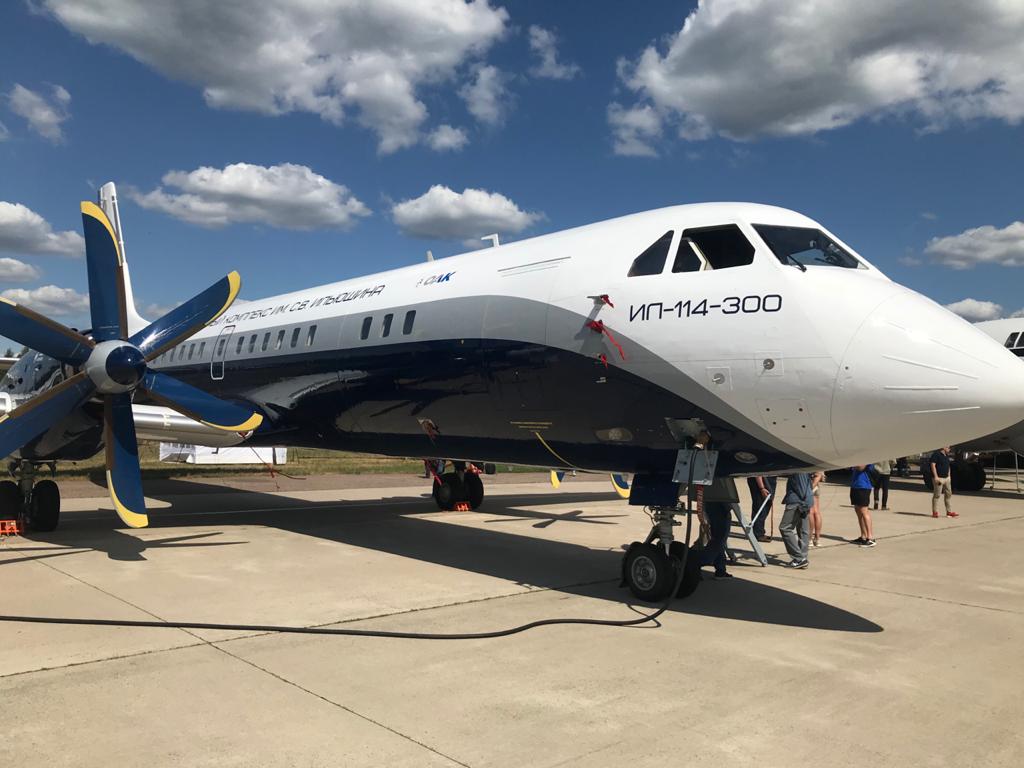
The skies are humming with a new kind of music. Not the drone of old engines, but the promise of partnership, of wings built together across continents. For years, India and Russia have shared a deep strategic connection, but now that bond is taking flight in a literal sense. Imagine a runway stretching from Moscow to New Delhi, lined not with politicians, but with gleaming new aircraft. This is the vision unfolding as Russia and India negotiate the joint production of 200 Ilyushin Il 114 300 and Yakovlev SJ 100 commercial airliners.

It began with a quiet statement from Vadim Badekha, the head of Russia’s United Aircraft Corporation (UAC), the industrial giant that manufactures these planes. Indian airlines, he revealed, have expressed a strong demand for up to 200 of these regional jets. Not just a purchase, but a collaboration. The words hung in the air like a fresh contrail, signaling a new chapter in aviation history. For India, it means expanding its domestic and regional connectivity. For Russia, it means finding a trusted partner to revive its civilian aircraft industry amidst global sanctions. This is not just a deal; it is a story of resilience, strategy, and shared ambition.
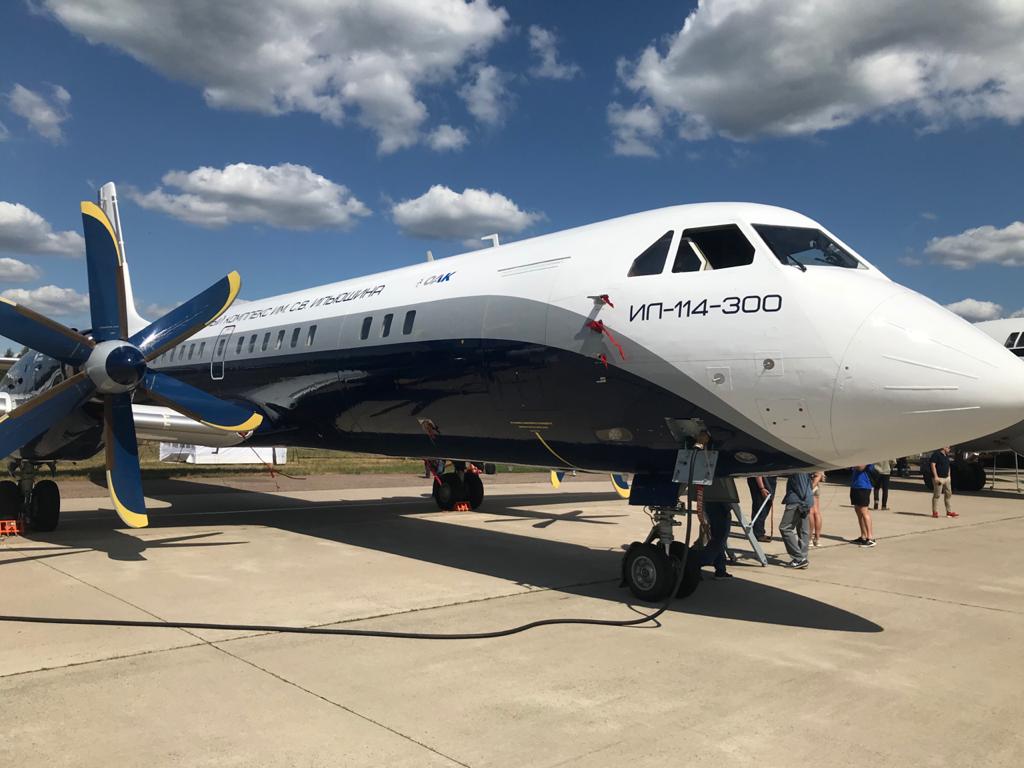
Let us step back and look at the aircraft themselves. The Il 114 300 is a turboprop designed for short haul routes, perfect for India’s tier two and tier three cities. The SJ 100 is a regional jet with a modern airframe, capable of serving busier corridors. Together, they offer a versatile fleet for India’s booming aviation market. But the real magic lies in the joint production plan. Instead of simply importing planes, India and Russia are talking about local assembly, technology transfer, and even co development of components. This is the kind of partnership that builds not just airplanes, but entire ecosystems.
Subheading: The Deal at a Glance
Under the proposed framework, Russia’s UAC would work hand in hand with Indian aerospace firms, likely including Hindustan Aeronautics Limited (HAL) or private players. The initial target is 200 aircraft, with options to scale up. Indian airlines like IndiGo, SpiceJet, and Air India have long sought reliable regional aircraft to replace aging fleets and open new routes. The Il 114 300, with its rugged design and ability to operate from short runways, is ideal for the Himalayan foothills and the northeastern states. The SJ 100, with its advanced avionics and fuel efficiency, fits the high density regional routes. Together, they could transform India’s air travel map.

Subheading: Why These Aircraft Matter
For Russia, the stakes are personal. Western sanctions after the Ukraine conflict have cut off access to Boeing and Airbus spare parts and new deliveries. The Russian aviation industry is pivoting to self reliance, but it needs volume to keep production lines warm. India offers that volume. For India, the deal reduces dependence on Western suppliers and strengthens its own manufacturing base. It also aligns with the government’s “Make in India” and “Atmanirbhar Bharat” (self reliant India) initiatives. This is not just about buying planes; it is about building a future where India becomes a hub for aircraft assembly and maintenance, repair, and overhaul (MRO) operations.
The storytelling here is one of two nations navigating a multipolar world. India has balanced ties with the US and Russia, but this aviation deal tilts the scales slightly eastward. It is a move that signals India’s confidence in Russian technology, despite global skepticism. The Il 114 300, for instance, is an upgrade of the Soviet era Il 114, now with new engines and avionics. The SJ 100, originally a joint venture with Western partners, is being re engineered with Russian components. Indian engineers will work alongside their Russian counterparts to certify these aircraft under India’s DGCA regulations, a process that will take years but promises deep technological learning.
Subheading: A Partnership Beyond Trade
Picture a factory floor in Nagpur or Hyderabad, where Indian and Russian technicians are assembling wings and fuselages. Picture test flights over the Deccan plateau, with pilots from both countries in the cockpit. This is the human side of the deal. It is about jobs, skills, and a shared sense of achievement. The UAC has already started negotiations with Indian stakeholders, and sources suggest a memorandum of understanding could be signed within months. The financing is expected to involve sovereign guarantees and export credits, making it affordable for Indian carriers.
But challenges remain. The SJ 100 is still awaiting full certification after its redesign, and the Il 114 300 needs to prove its reliability in India’s hot and high conditions. Supply chains for Russian made components face logistical hurdles. Yet the momentum is undeniable. India’s Civil Aviation Ministry has been supportive, and the Ministry of External Affairs sees this as a strategic hedge. The deal also includes provisions for pilot training and simulator centers, ensuring that India builds its own aviation workforce.
Subheading: The Bigger Picture
This negotiation is a mirror reflecting a changing world order. As Russia pivots to Asia, and India asserts its role as a global player, aviation becomes a symbol of their partnership. The 200 aircraft are not just numbers; they represent 200 opportunities for connectivity between remote villages and bustling cities. They represent 200 statements that the future of flight is collaborative. For the airline passenger, it might mean more affordable tickets on regional routes. For the engineer, it means a new frontier.
In the end, this story is about more than metal and engines. It is about trust. Russia and India have a long history of cooperation in defense, space, and energy. Now they are adding civil aviation to the list. The skys the limit, but only if both sides commit to overcoming the technical and political turbulence ahead. The runway is clear, the engines are warming up, and the world is watching. This is not just a deal; it is a declaration that in the 21st century, you do not need to fly alone.
As the negotiations continue, one thing is certain: the joint production of 200 Ilyushin and Yakovlev airliners could be the beginning of a beautiful friendship in the sky. India’s vast geography and growing middle class demand more wings. Russia’s engineering prowess and need for partners demand a home. Together, they are writing a flight plan that could reshape regional aviation for decades. Buckle up, the journey has just begun.