South Africa Resumes Major Maize Exports as Record Harvest Boosts Outlook
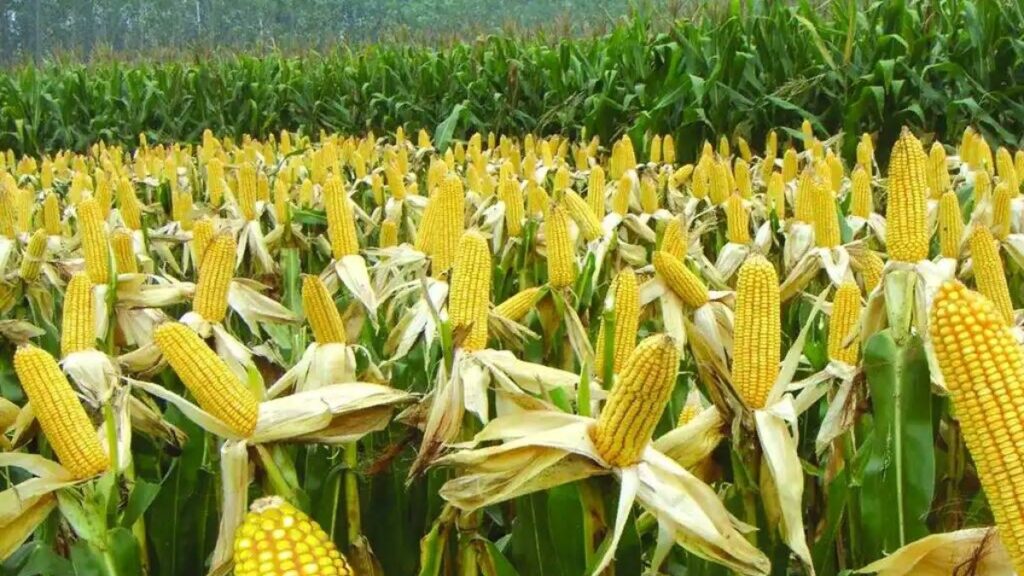
The air around Durban’s Maydon Wharf Agribulk Terminal carried a rare electric hum. For the first time since December 2023, a vessel loaded with South African maize was preparing to set sail, its hull packed with thousands of tons of golden grain. The scene was more than a routine port operation; it was a symbol of resilience, a testament to an agricultural recovery that had defied expectations. After a season of weather extremes and logistical hurdles, South Africa’s maize sector is roaring back to life, driven by a record breaking harvest that promises to not only feed the nation but also restore its position as a key player in global grain markets. This is not just about shipping corn. It is about hope, economic revival, and the quiet triumph of farmers who never stopped believing in the land.

A Record Breaking Harvest That Changed the Game
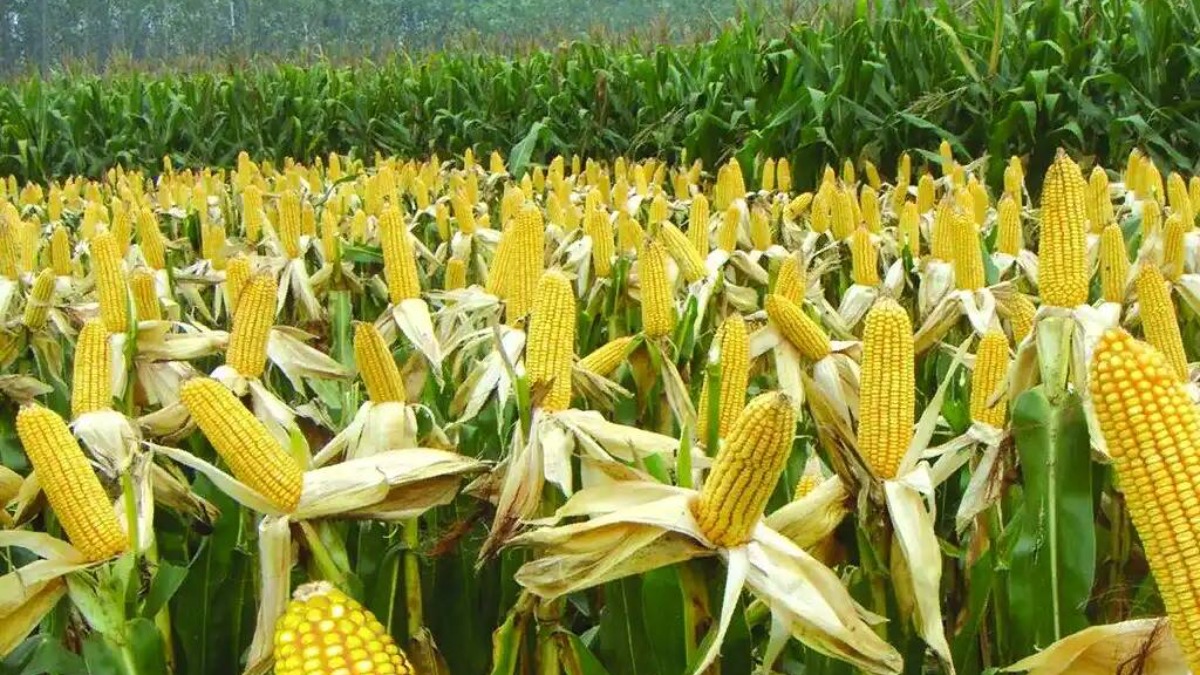
South Africa’s agricultural calendar had been written in uncertainty. The previous season brought drought, pests, and ever rising input costs that pushed many farmers to the edge. But then came the rains, generous and well timed. Fields that had been dusty and cracked turned into seas of green. By the time harvest dawned, the numbers were staggering: the country’s maize crop reached an all time high of nearly 17 million tons. That surplus did not just fill silos; it opened a window for export that had been nailed shut for more than a year. For the first time since late 2023, the logistical machinery of Transnet Port Terminals (TPT) began to move grain from inland depots to coastal ports. The first vessel to carry this precious cargo was handled at the Maydon Wharf Agribulk Terminal in Durban, a facility that had spent months in quiet anticipation.

Transnet’s Strategic Milestone at Maydon Wharf
Transnet Port Terminal (TPT) has marked a significant milestone in South Africa’s agricultural export sector, with the Maydon Wharf Agribulk Terminal in Durban handling its first maize export vessel since December 2023. This is not a small event. The terminal, a critical node in the country’s export infrastructure, had been battered by operational inefficiencies, equipment failures, and the lingering effects of the pandemic. Yet, through a combination of strategic upgrades, improved coordination with rail operators, and a dedicated workforce, TPT managed to clear the backlog and welcome the ship. The vessel’s departure signals a new chapter: South Africa is back in the global maize trade. For the farmers waiting for export markets to reopen, this is vindication. For the economists monitoring trade balances, it is a boost to foreign exchange earnings. And for the citizens, it is a reminder that even in a challenging economy, agriculture remains a pillar of strength.
Why This Matters for the Global Grain Market
South Africa is not just any maize producer. It is the continent’s largest, and its exports ripple through Southern Africa and beyond. Countries like Zimbabwe, Botswana, and even parts of East Asia rely on South African maize to fill gaps in their own production. The resumption of exports from Durban means that these markets will once again have a reliable, high quality supply. Moreover, the timing is critical as global grain supplies tighten due to conflict and climate disruptions elsewhere. South Africa’s record harvest offers a buffer against food price inflation and supply shocks. For the international trading community, this development reinforces the country’s reputation as a consistent supplier, even in the face of domestic challenges.
The Human Story Behind the Grain
Behind every ton of maize is a story. The farmer who woke at dawn to check soil moisture, the agronomist who advised on the perfect fertilizer blend, the truck driver who navigated potholed roads to bring the harvest to the silo, and the crane operator at the terminal who lifted the grain into the ship’s hold. Each of these people played a role in this milestone. For them, the first export vessel is a moment of pride. It is proof that their hard work, often done in obscurity, actually matters. One farmer, sipping coffee in a dusty Free State town, might watch the news report of the ship’s departure and feel a quiet sense of achievement. That is the heartbeat of this story.
Challenges That Remain
Of course, the path forward is not without obstacles. Port infrastructure still needs significant investment. Road and rail networks require upgrades to handle the increased volume. And the global market is fickle; prices can swing, and new competitors like Brazil and Ukraine are always ready to supply. But for now, the mood is optimistic. Transnet has committed to maintaining the momentum, and agricultural leaders are calling for more public private partnerships to sustain the export boom. If these pieces fall into place, South Africa could cement its role as a breadbasket not just for the region but for the world.
Conclusion: A Golden Horizon
As the first maize export vessel in over a year slips beyond the Durban breakwater, it carries more than grain. It carries the aspirations of a nation. South Africa’s record harvest and the resumption of major exports are proof that agriculture, when nurtured with skill and determination, can overcome the toughest odds. The golden fields that stretch across the Highveld are not just a source of food; they are a foundation for economic recovery. The Maydon Wharf terminal, once quiet, now hums with activity. And for everyone involved, from the farmer to the port worker, the horizon looks brighter than it has in a long time.