Brazil, Russia, India, China and South Africa: How They Stack up on Reusing Waste
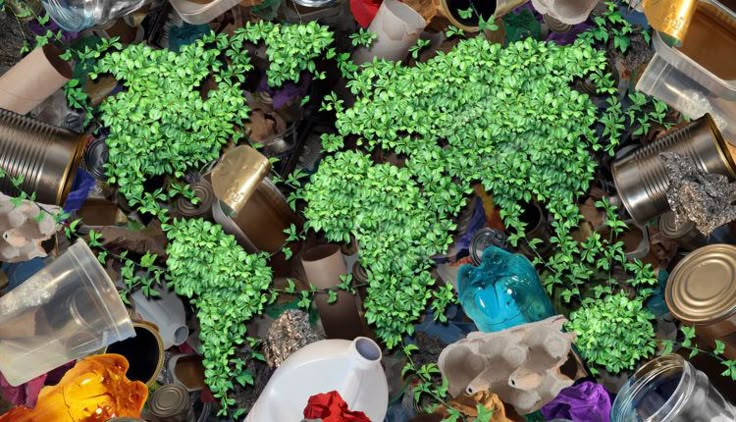
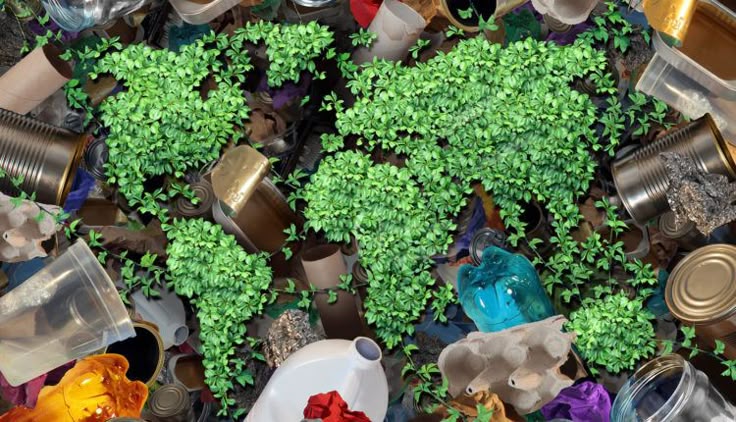
The global economy still largely follows a simple pattern: extract natural resources, manufacture products, use them and then throw them away. This “take, make, dispose” model has driven economic growth for decades. But increasing use of resources has also damaged the environment, contributing to climate change, biodiversity loss and pollution. In the midst of this crisis, the BRICS nations Brazil, Russia, India, China, and South Africa stand at a crossroads. Together, they produce over 40% of the world’s waste, yet their approaches to reusing that waste vary wildly. Some are pioneering circular economies; others still struggle with basic collection. As the planet cries for change, how do these five giants stack up on turning trash into treasure?

Imagine a river in São Paulo choked with plastic, a landfill on the outskirts of Moscow that stretches to the horizon, a Delhi street where waste pickers sift through mountains of refuse by hand, a Chinese factory that turns discarded electronics into gold, and a Cape Town beach littered with bottles. These snapshots reveal the stark differences in waste reuse across the BRICS bloc. While each nation faces similar challenges urbanization, industrialization, and a throwaway culture their responses are shaped by unique economic, political, and social forces. Let’s dive into the story of how each country is reimagining waste.
The Linear Economy’s Toll
For decades, the linear economy reigned supreme. Take raw materials, make products, use them briefly, then discard. This model fueled the industrial revolution and lifted billions out of poverty, but it came at a cost. The World Bank estimates that global waste generation will reach 3.4 billion tonnes by 2050, up from 2.01 billion in 2016. BRICS nations contribute a disproportionate share. Yet, the potential for reuse is enormous. Recycling rates in the bloc range from less than 1% in Russia to nearly 60% in some Chinese cities. The gap isn’t just about technology; it’s about policy, culture, and investment.
Brazil: A Land of Recycling Potential
Brazil generates about 79 million tonnes of municipal solid waste annually, but recycles only around 1.3% of it. That’s a shockingly low number for a country with a vibrant recycling culture at the grassroots. Waste pickers, or catadores, form the backbone of Brazil’s informal recycling system, recovering materials like paper, plastic, and metal from dumps and streets. In cities like Curitiba, innovative programs have boosted composting and separation, but nationwide efforts falter due to inconsistent policies and lack of infrastructure. The National Solid Waste Policy, enacted in 2010, promised to integrate catadores and promote recycling, but implementation has been slow. Still, Brazil’s potential is immense: with better investment, the country could turn its waste into a resource worth billions.

Russia: The Zero Waste Frontier
Russia is one of the lowest recyclers in the developed world, with less than 5% of its waste being recycled. Most waste ends up in sprawling landfills that emit methane and contaminate groundwater. The country’s vast geography makes collection expensive, and public awareness is low. However, a shift is underway. In 2019, Russia launched a “waste reform” that aims to increase recycling to 36% by 2024 and incinerate more waste for energy. Moscow has introduced separate collection bins and built sorting plants, but critics say progress is too slow. The real story in Russia is the rise of grassroots movements: community clean-ups and recycling apps are gaining traction, especially among younger generations. The country’s industrial sector also holds promise for reuse metals and construction waste are often recycled, but municipal waste remains a challenge.
India: A Tale of Two Economies
India, with 1.4 billion people, produces about 62 million tonnes of waste annually, but only 20% is treated. The rest goes to open dumps or landfills. Yet India’s informal recycling sector is one of the most efficient in the world. Millions of waste pickers, ragpickers, and scrap dealers recover materials from street bins and dumps, achieving recycling rates of 70-80% for certain materials like metals and paper. This hidden economy is worth over $10 billion. However, formal systems are lagging. Cities like Pune have pioneered decentralized composting and material recovery facilities, while the Swachh Bharat Mission (Clean India Mission) has built toilets and improved collection. The challenge is scaling up: India needs modern infrastructure, better waste segregation at source, and a just transition for informal workers. The potential for circularity is huge, especially in the booming e-waste sector, where recycling rates hover around 5%.
China: The Global Recycling Powerhouse
China is the world’s largest waste generator, producing over 200 million tonnes of municipal waste each year. But it’s also a recycling giant. Until 2018, China imported vast amounts of plastic and paper waste from the West, which its factories turned into new products. The National Sword policy in 2017 banned many imports, forcing China to ramp up domestic recycling. Today, China’s official recycling rate is around 60% for some materials, though much of the recovery happens in informal networks. The country has invested heavily in waste-to-energy plants and smart bins, and cities like Shanghai have mandatory waste sorting laws with strict fines. However, challenges remain: contamination rates are high, and many recyclables still end up in landfills. China’s new Circular Economy promotion plan aims to boost reuse rates to 35% by 2025. The story here is one of rapid transformation from the world’s dumping ground to a leader in recycling innovation.
South Africa: The Struggle for Dignity
South Africa generates about 55 million tonnes of waste per year, but recycles only 10% of it. The country’s waste sector is deeply unequal: formal recycling is concentrated in affluent areas, while informal pickers in townships recover value from dumps. The Western Cape has been a bright spot, with initiatives like the “Think Twice” campaign achieving recycling rates above 50% in some suburbs. Yet, much of the country lacks basic waste collection services. Landfills are often unlined, polluting soil and water. The South African government has set a target to divert 75% of waste from landfills by 2036, but progress is slow. The human story is compelling: waste pickers, often marginalized, provide essential services at great risk. NGOs and social enterprises are working to formalize their role, offering protective gear and fair prices. The circular economy in South Africa is not just about materials; it’s about social justice.
Comparing the Giants: What Works and What Doesn’t
Looking across the five nations, several patterns emerge. First, informal recycling is a hidden powerhouse. In Brazil, India, and South Africa, waste pickers recover materials that formal systems miss, achieving high rates for specific items. Formalizing them through recognition, contracts, and safety measures can boost rates further. Second, policy matters. China’s mandate for waste sorting and Russia’s reform show that government action can accelerate change, but enforcement is key. Third, investment in infrastructure is crucial. India’s Swachh Bharat Mission built toilets, but only recently has it started building waste processing plants. Brazil’s catadores need sorting centers and transport. Finally, culture and awareness play a role. South Africa’s “Think Twice” campaign proves that public engagement can reduce waste.
Conclusion: A Circular Future for BRICS
The “take, make, dispose” model is dying, and BRICS nations are writing its obituary though at different speeds. China is racing ahead with technology and policy; Brazil and India are leveraging the power of millions of informal recyclers; South Africa is weaving social equity into the circular economy; and Russia is awakening from its landfill slumber. The road ahead is steep: infrastructure gaps, political inertia, and public apathy remain. But the stories of waste pickers in São Paulo, sorting plant workers in Moscow, scrap dealers in Delhi, factory operators in Shanghai, and community cleaners in Cape Town show that reuse is not just an environmental necessity it is an economic opportunity and a moral imperative. The question is not whether these nations can afford to change, but whether they can afford not to. The answer, like the materials in their waste streams, has never been more valuable.
For more insights, explore the original article on BRICS waste management at Infobrics.