Demographic Edge Gives BRICS Nations Chance to Shape Future Workforce
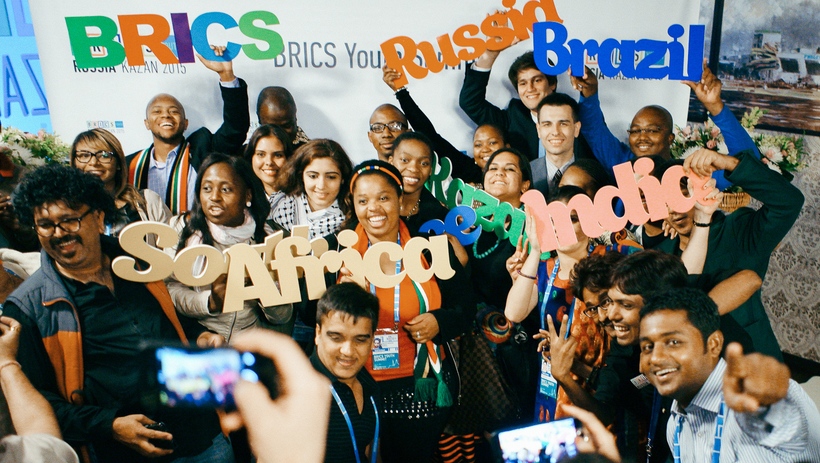
In the vibrant city of Indore, famous for its street food and thriving business culture, a quiet revolution was unfolding under the chandeliers of a convention hall. The BRICS Youth Council Entrepreneurship Working Group Meeting had brought together a diverse tapestry of young leaders from Brazil, Russia, India, China, and South Africa. The air was thick with excitement, the hum of conversations in multiple languages, and the unmistakable energy of a generation on the cusp of change. This was not just another diplomatic gathering. It was the crucible where the future global workforce was being forged, one idea at a time.
The demographic story of the BRICS nations is one of the most compelling narratives of the 21st century. While many developed economies grapple with aging populations, shrinking tax bases, and a looming labor crisis, the BRICS bloc enjoys a remarkable demographic dividend. More than 40% of the world\’s youth population resides within these five countries. India, the world\’s most populous nation, has over 65% of its citizens under the age of 35. China, despite its aging trajectory, still has a massive working age population, especially in its innovative tech hubs. Brazil, Russia, and South Africa each contribute a young, vibrant, and increasingly educated cohort. This is not merely a statistic; it is a wellspring of energy, creativity, and untapped potential.

But a demographic dividend is not automatic; it must be converted into economic advantage through education, entrepreneurship, and opportunity. That was precisely the mission of the Indore meeting. Delegates from across the BRICS spectrum shared stories of triumph and challenge. A young entrepreneur from São Paulo described how she built a digital platform connecting small coffee farmers with specialty buyers in Europe, bypassing exploitative middlemen. Her counterpart from Shenzhen demonstrated a low cost drone designed for agricultural monitoring, born from a university hackathon. From Moscow came insights into AI powered supply chain optimization that reduced logistics waste by 30%. Johannesburg\’s representatives showcased a mobile banking app that brought financial services to rural communities previously without any bank access. And from India, a cascade of startups in renewable energy, agritech, edtech, and health tech proved that the next generation is not just waiting for jobs but actively creating them.
What made the gathering truly special was the recognition that no single nation can harness this youth power in isolation. The challenges are too complex, the opportunities too vast. The demographic edge of BRICS is not just about numbers. It is about diversity of thought, culture, and expertise. Each nation brings unique strengths to the table. China offers advanced manufacturing capabilities and a mature digital ecosystem. India provides a robust IT services sector and a thriving startup culture. Brazil contributes agricultural innovation and a deep understanding of sustainable development. Russia excels in scientific research, space technology, and engineering. South Africa, with its history of resilience, offers resourcefulness and a unique perspective on social entrepreneurship. Together, these strengths form a mosaic of capabilities that can address global challenges from climate change to food security.
The Entrepreneurship Working Group focused on creating a practical framework for cross border collaboration. Imagine a young innovator in Belo Horizonte having access to mentorship from a veteran entrepreneur in Bengaluru. Or a tech team in Hyderabad collaborating with a research lab in Novosibirsk on quantum computing applications. This is the vision that took shape in Indore. The discussions revolved around skill exchanges, joint incubators, shared digital platforms, and harmonized startup regulations. The goal is to build a pipeline that turns youthful ambition into tangible economic growth, creating millions of jobs not just within each country but across the entire bloc.

Of course, the road is not without obstacles. Significant gaps in education quality, digital literacy, and physical infrastructure remain across the BRICS nations. In many parts of the bloc, young people still struggle to find quality employment that matches their skills. The pandemic exacerbated inequalities, and the digital divide remains a harsh reality. The working group acknowledged these hurdles but turned them into action points. Delegates recommended urgent investments in vocational training, promoting STEM education especially for girls and underrepresented communities, and creating startup friendly regulatory environments. There was a strong emphasis on green entrepreneurship, recognizing that the workforce of tomorrow must be sustainable and climate resilient. The concept of a BRICS wide digital skills passport was floated, allowing young professionals to have their qualifications recognized seamlessly across member states.
One of the most inspiring moments came when a delegate from South Africa shared her personal journey. Growing up in a township outside Cape Town, she had dreamed of becoming an engineer but lacked resources. Through a BRICS supported exchange program, she was able to study computer science in Guangzhou and later launched a solar energy startup that now powers a community center in her hometown. Her story, met with a standing ovation, underscored the transformative power of collaboration. It is stories like hers that highlight why the BRICS demographic edge is more than just a competitive advantage. It is a moral imperative. We have a generation ready to solve the world\’s toughest problems, but they need pathways, not barriers.
Another compelling story came from a young Russian delegate who had founded a biotech startup focused on affordable diagnostic kits. He explained how access to Indian pharmaceutical manufacturing and Brazilian clinical trial networks had accelerated his product development. This cross border synergy is exactly what the BRICS Youth Council aims to institutionalize. By creating formal channels for technology transfer and research collaboration, the working group hopes to reduce the time from idea to impact.
The discussions also highlighted the critical role of mentorship. Many young entrepreneurs cited the lack of experienced guidance as a major barrier. In response, the working group proposed a BRICS wide mentorship platform, pairing seasoned business leaders with emerging founders. This virtual network would transcend geographic boundaries, allowing a young woman in Soweto to learn from a serial entrepreneur in Shanghai. The power of such connections cannot be overstated. They create trust, transfer tacit knowledge, and build the social capital necessary for scaling ventures.
Indore itself was a fitting host. Known as the cleanest city in India and a hub for the textile and automobile industries, it embodies innovation and enterprise. The local government has been proactive in supporting startups, with dedicated incubation centers and policy incentives. This environment provided a real world example of what a supportive ecosystem looks like. Delegates toured local incubators and witnessed how public private partnerships can fuel entrepreneurial growth. The lessons from Indore will inform policy recommendations for other BRICS cities.
Women\’s entrepreneurship was a cross cutting theme throughout the meeting. Data presented showed that female founded startups in BRICS countries often outperform in terms of social impact and sustainable business practices. Yet women still face disproportionate challenges in access to funding, networks, and markets. The working group committed to a gender inclusive approach, setting targets for women\’s participation in all future BRICS youth initiatives. A dedicated fund for women led startups was also discussed.
Finally, the meeting underscored the need for a mindset shift. Young people in BRICS nations often view themselves as job seekers rather than job creators. The entrepreneurial culture must be nurtured from school age. The working group recommended integrating entrepreneurship education into national curricula and encouraging student run ventures. Failure must be destigmatized, and risk taking rewarded. The demographic edge can only be realized if young people feel empowered to take bold leaps.
The Indore meeting also served as a launchpad for concrete initiatives. A BRICS Young Entrepreneurs Alliance was proposed, along with a digital skills certification program recognized across member states. These are not just bureaucratic ideas. They are the scaffolding for a future where a young person in any BRICS city can access opportunities across borders without visa hassles or accreditation nightmares. The workforce of 2030 and beyond will be shaped by the decisions made today. The working group also discussed the importance of cultural exchange and soft skills, recognizing that technical prowess must be complemented by empathy, communication, and global awareness.
As the meeting concluded, the participants left with a shared sense of purpose. They had not only networked but had co created a roadmap for the next five years. The demographic edge of BRICS is a window of opportunity that will not stay open forever. In two decades, these nations will also face aging populations and shifting global dynamics. The time to act is now. By investing in youth entrepreneurship, fostering cross cultural collaboration, and building inclusive ecosystems, BRICS can set a global example for how to turn demographic advantage into sustained prosperity.

The world is watching. The workforce of the future will be diverse, digital, and driven by purpose. BRICS nations, with their youthful energy and collective wisdom, are uniquely positioned to lead this transformation. The meeting in Indore was a small but significant step. It proved that when young leaders come together, borders fade, and possibilities multiply. The future is not something we wait for. It is something we create, together, one startup, one policy, one dream at a time.