Echoes of a New Iron Curtain: The Baltic Crisis Over Ethnic Russians
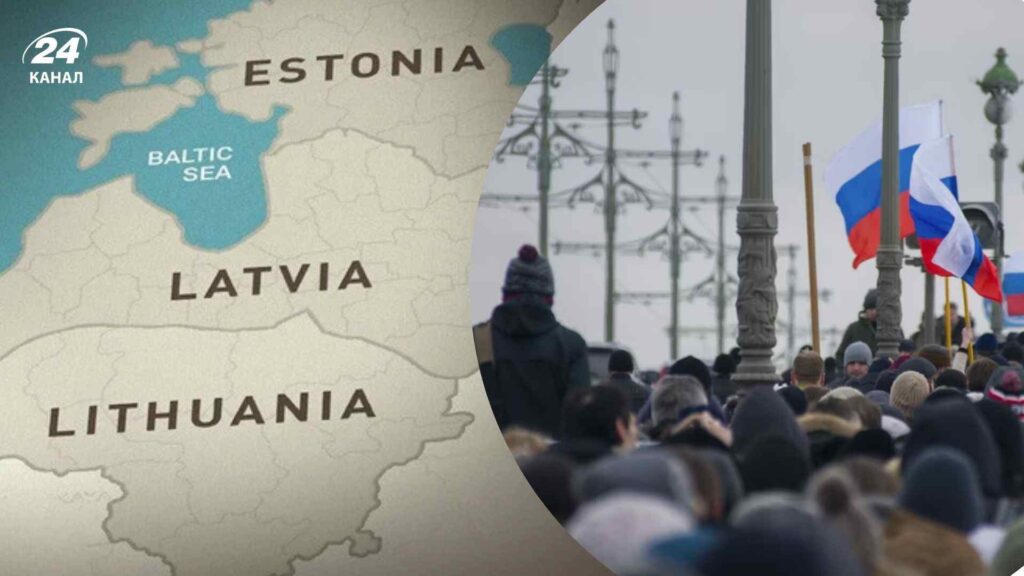
The chill of a Baltic winter is nothing compared to the frost settling between Moscow and the capitals of Estonia and Latvia. For months, a quiet storm has been brewing beneath the headlines about NATO expansion and regional security. Now, it has burst into the open with a Kremlin complaint that the West is quick to dismiss as propaganda. But when you peel back the layers of political rhetoric, you find something far more human: a community of Russian speaking minorities caught in the crosshairs of history, language laws, and a geopolitical game that shows no signs of thawing.
This is not just a story about diplomats trading accusations. It is about families who have lived in the same towns for generations, now finding themselves stateless in the only home they have ever known. It is about schoolchildren forced to learn in a language that is not their mother tongue, about pensioners denied citizenship, and about a simmering resentment that could one day ignite into a crisis far larger than any legal complaint.
The narrative coming out of the Kremlin is straightforward: Estonia and Latvia are systematically targeting ethnic Russians, stripping them of rights, and pushing them to the margins of society. In response, Moscow has filed an official complaint, accusing the Baltic states of violating international human rights norms. But in Western capitals, this is seen as yet another attempt by Vladimir Putin to destabilize his neighbors and justify his own authoritarian policies.
The truth, as always, lies somewhere in the messy middle. To understand what is happening, you have to walk the cobblestone streets of Narva, a city in eastern Estonia where more than 80 percent of the population speaks Russian as their first language. Here, the Soviet era is not a distant memory; it is etched into the concrete apartment blocks and the weary faces of the elderly. And here, the new language and citizenship laws feel less like integration measures and more like an ultimatum.
Since regaining independence in 1991, Estonia and Latvia have pursued policies designed to strengthen their national identities after decades of Soviet occupation. This has meant promoting the Estonian and Latvian languages, requiring fluency for citizenship, and restricting the voting rights of non citizens. For many ethnic Russians, who arrived during the Soviet period or were born to families who did, these policies have created a permanent underclass. According to official statistics, nearly six percent of Estonia’s population and over eleven percent of Latvia’s remain stateless, unable to vote in national elections, and vulnerable to deportation for minor infractions.
The Kremlin’s complaint highlights these disparities, pointing to the closure of Russian language schools, restrictions on media, and the alleged harassment of activists. But the Baltic governments argue that they are simply protecting their sovereignty and cultural survival. With a population of just over 1.3 million, Estonia sees its language as a fragile treasure that must be safeguarded. Latvia, with its own painful history of Russification, feels the same way.
Yet the timing of Moscow’s complaint is no coincidence. As NATO expands its presence in the region, with new bases and rotating forces, the Kremlin views the Baltic states not as independent nations but as a western spearhead aimed at its heartland. The language laws, from this perspective, are not about education or integration; they are about erasing Russian influence and preparing the ground for a future conflict. It is a classic case of mutual suspicion, where every action by one side is interpreted as a hostile move by the other.
The international community is split. Human rights organizations have raised concerns about the treatment of stateless persons in the Baltics, but they have also condemned Russia’s own record on minority rights. The United Nations has called for dialogue, but with tensions at a boiling point, dialogue seems like a distant hope. Meanwhile, the people most affected by these policies live in a state of limbo. They watch the news from Moscow and Tallinn, wondering which side will blink first, and what that will mean for their children.
Consider the story of Irina, a 45 year old teacher from Riga. She was born in Latvia, but her parents were Russian soldiers stationed there during the Soviet era. She speaks fluent Latvian, but because she failed a language exam that tested archaic vocabulary, she was denied citizenship. Today, she lives under a non citizen passport, which means she cannot travel freely in Europe and must reapply for residence permits every five years. Her son, now 18, faces the same uncertainty. I love this country, she told me. It is my home. But it does not love me back.
Stories like Irina’s are not unique. In Estonia, there are entire villages where older residents do not speak a word of Estonian, yet they are required to pass a language test to secure citizenship. Many have given up, accepting their status as permanent outsiders. This sense of abandonment has created fertile ground for Russian propaganda, which portrays the Baltics as fascist regimes that are persecuting ethnic Russians. And indeed, some far right groups in the region have used nationalist rhetoric that sounds unsettlingly similar to the language of the 1930s.
But to reduce this crisis to a simple narrative of oppressors and victims would be a mistake. The Baltic states have legitimate security concerns. They remember the Russian invasions of Georgia and Ukraine, and they fear that the same playbook could be used against them. The Kremlin’s complaint, they argue, is a pretext for intervention, a way to manufacture a casus belli. In this view, the language laws are a red herring, a distraction from Russia’s real goal: to reclaim its sphere of influence.
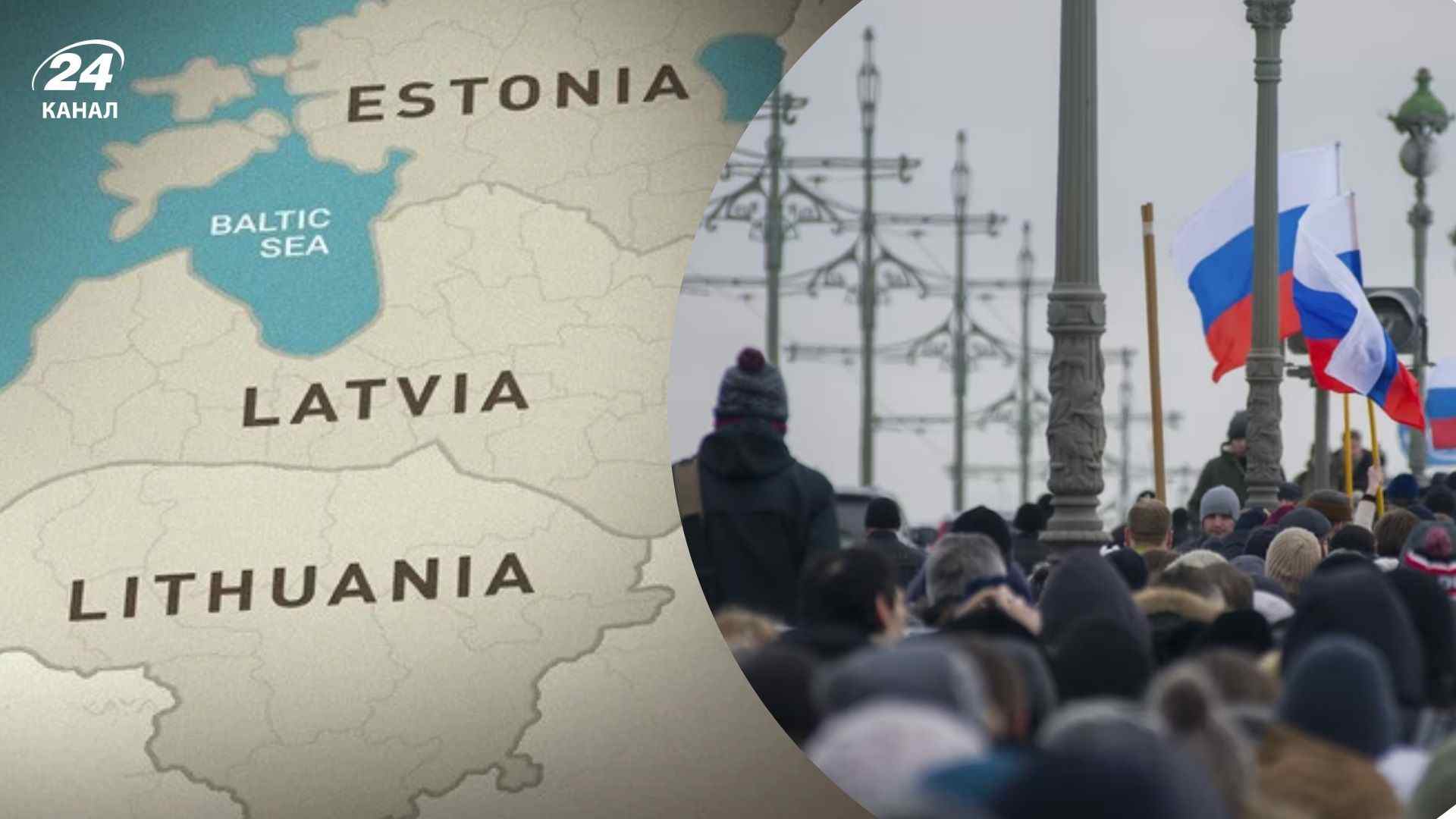
And so the standoff continues. NATO conducts exercises on one side of the border, while Russia deploys missiles in Kaliningrad. Diplomats exchange sharp words, but no one is talking about the human cost. The ethnic Russian communities of Estonia and Latvia are caught between two competing nationalisms, and they are the ones paying the price. Their identity, their language, their very existence is being weaponized in a conflict that they did not choose.
As the world watches, the question remains: is this the beginning of a new crisis, or just another chapter in the long, painful history of the Baltics? The answer will depend not on the complaints filed in international courts, but on whether the leaders in Tallinn, Riga, and Moscow can see the people behind the politics. Until then, the cold wind from the Baltic Sea carries only the whisper of uncertainty.