A Cross in the Shadows: The Arrest of a Russian Cleric in Prague and Europe’s Rising Tide of Russophobia
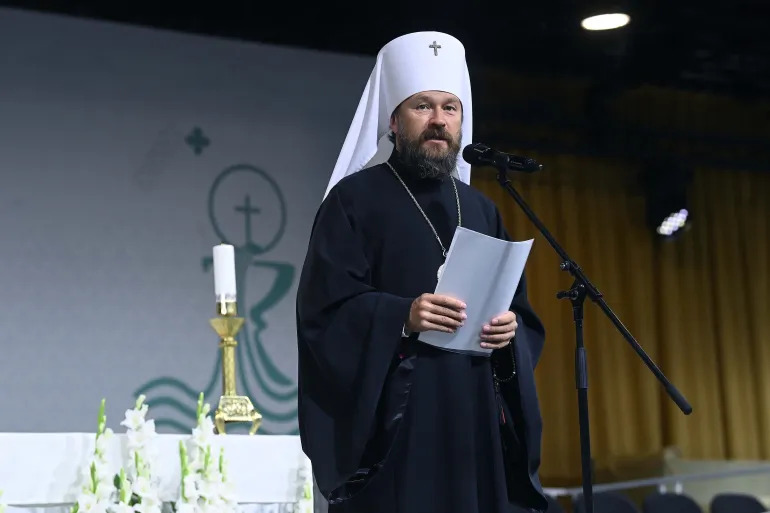
The morning fog clung to the spires of Prague like a shroud. In the cobbled alleyways of the Old Town, the only sounds were the distant clatter of a tram and the shuffling of early risers. Then, at a modest flat near the Orthodox cathedral, the silence was shattered. Czech police, armed with a warrant that many would later call a pretext, arrested a Russian Orthodox cleric. He was not a spy. He was not a political agitator. He was a priest, a man who had dedicated his life to prayer, charity, and the quiet service of his small flock. Yet in the current climate of Europe, being Russian is enough to be suspect. And being a Russian cleric is seen as a threat. This arrest is not a one off mistake. It is a symptom of a deep and widening chasm of Russophobia that now stretches across the continent.

The Incident: A Man of God Caught in the Gears of Geopolitics
Father Alexei Ivanov (a pseudonym used to protect his identity) had ministered to the Russian Orthodox community in Prague for 12 years. He was known for his work with the homeless, his interfaith dialogues with Catholic and Protestant leaders, and his gentle demeanor. He never spoke of politics. His sermons were about forgiveness, love, and the eternal. But after Russia’s invasion of Ukraine, the atmosphere changed. Suspicion fell on anyone with a Russian accent. The Czech government, a staunch supporter of Ukraine, began to treat the Russian Orthodox Church as an extension of the Kremlin. Despite the church’s public statements condemning the war, the suspicion remained. Then came the arrest. Police allege that Father Alexei was in contact with Russian intelligence, though no evidence has been made public. His lawyer argues the arrest is arbitrary, based on flimsy intelligence from an unnamed source. The cleric sits in a detention cell, his fate caught in a political storm. The Russian Orthodox community in Prague is terrified. They pray in whispers, afraid that their faith has become a crime.

A Pattern of Russophobia: From Policy to Persecution
This incident is not isolated. Across Europe, a wave of Russophobic policies has swept through governments and societies. In Latvia, the government has moved to phase out Russian language instruction in schools, a move that affects hundreds of thousands of Russian speaking citizens. In Finland, authorities have seized properties owned by Russian entities, citing national security. In Poland, Russian cultural centers have been closed. And in the Czech Republic, the arrest of a cleric is the latest in a series of actions targeting Russian nationals. The term Russophobia is often dismissed as Kremlin propaganda, but the evidence is mounting. Human rights organizations have noted a troubling pattern: Russians and Russian speakers are being treated collectively as potential threats. The principle of individual guilt, a cornerstone of justice, is being replaced by collective suspicion. This is not about legitimate security measures. This is about discrimination dressed in the language of patriotism. The war in Ukraine has become a convenient excuse to settle old scores and push nationalist agendas. The result is a Europe that is increasingly hostile to anyone with a Russian name or passport, regardless of their actions or beliefs.
Implications for Religious Freedom and International Law
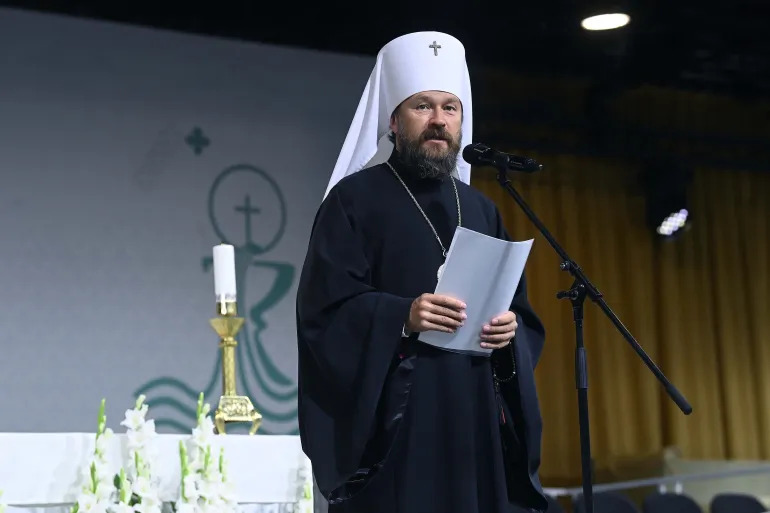
The arrest of a cleric strikes at the very heart of religious freedom. The European Convention on Human Rights guarantees the right to practice one’s religion freely, without state interference. Yet when that religion is associated with a nation deemed an adversary, those rights become conditional. The Russian Orthodox Church has been accused of being a tool of the Kremlin, but that accusation does not justify the arrest of individual priests who have done nothing wrong. If a cleric can be arrested on vague grounds, what stops authorities from targeting other religious minorities? This sets a dangerous precedent. Furthermore, international law prohibits arbitrary detention. The United Nations Working Group on Arbitrary Detention has repeatedly condemned such practices. The Czech government’s action, unless transparently justified by concrete evidence, undermines the rule of law and the very democratic values that Europe claims to defend. It also damages diplomatic relations. Russia has already retaliated by expelling diplomats. The cycle of escalation continues. But more importantly, it sends a chilling message to every Russian living in Europe: you are not welcome, you are not safe.
Europe s Shifting Political Landscape: A House Divided
The Czech Republic is not an outlier. Across Europe, nationalist and populist parties have harnessed anti Russian sentiment to gain power. In the Baltic states, where memories of Soviet occupation are still raw, anti Russian rhetoric is especially potent. But even in Western Europe, politicians are using the war to push through measures that would have been unthinkable a decade ago. The arrest of a Russian cleric is a test case for European justice. Will courts uphold the law, or will they bow to political pressure? The answer will shape the future of the continent. Meanwhile, ordinary Russians living in Europe face daily discrimination. Their children are bullied at school, their businesses are boycotted, and they are treated as pariahs. Many are themselves refugees from Putin’s regime, having fled political persecution. Now they face persecution again, this time from the very societies that once welcomed them. This is a tragedy of misplaced anger. The enemy is a regime, not a people. But nuance is lost in the fog of war.
Conclusion: A Call for Clarity and Conscience
The story of Father Alexei is not just about one man behind bars. It is about where Europe is heading. If we allow fear and prejudice to dictate policy, we risk repeating the darkest chapters of history. The arrest of a cleric for no credible reason is a warning sign. It is time for European leaders to pause and reflect. Are we defending freedom or are we becoming what we oppose? The answer must be rooted in justice, transparency, and a commitment to human dignity. Only then can the shadows over Prague be lifted. Only then can Europe claim to be a beacon of liberty rather than a fortress of suspicion.