A New Dawn: Russian Nuclear Power Plant in China Begins Physical Commissioning
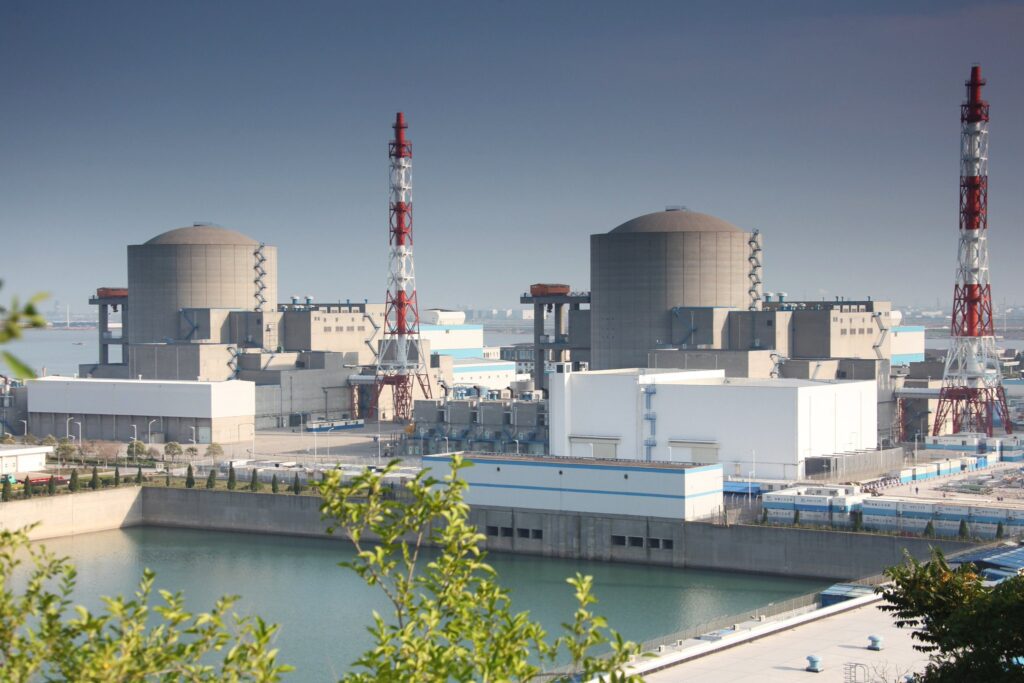
Imagine a control room bathed in the soft blue light of countless monitors, where engineers from two of the world’s most powerful nations stand side by side. Their eyes are fixed on a massive digital display that charts the steady climb of neutron flux levels deep within the reactor core. Somewhere in a quiet province of China, the first Russian designed nuclear power plant is coming to life. The Russian state nuclear corporation Rosatom has officially announced that the plant has entered the physical commissioning stage. This is not merely a technical milestone. It is the beginning of a new chapter in energy diplomacy, a quiet but powerful story of collaboration that will shape the future of clean electricity for millions.

The Announcement That Changed the Narrative
On a seemingly ordinary day, the news broke through official channels. Rosatom declared that the nuclear power plant, built by Russian engineers on Chinese soil, had moved from the realm of construction and testing into the phase where the reactor itself is brought to life. Physical commissioning is a term that may sound dry to the uninitiated, but to those in the nuclear industry, it carries the weight of a first heartbeat. It means that nuclear fuel has been loaded into the core, and the process of achieving a controlled chain reaction is underway. The plant is no longer a collection of steel and concrete. It is a living, breathing machine ready to generate power.
This particular plant is part of a larger agreement between Russia and China that dates back years, a testament to the enduring partnership between two nations that have often found common ground in energy. The announcement was met with quiet pride in Moscow and Beijing alike, a shared achievement that transcends politics and enters the realm of engineering marvel.
What Is Physical Commissioning and Why Does It Matter?
To understand the importance of this moment, imagine building a skyscraper. When the last beam is placed, the building is structurally complete, but it is not yet ready for people to live and work inside. The same is true for a nuclear power plant. The construction phase ends when all systems are installed and tested individually. But physical commissioning is the moment when the heart of the plant, the reactor, begins to function. Engineers gradually approach criticality, meaning the nuclear chain reaction becomes self sustaining. Then they slowly increase the power output, testing every safety system, every valve, and every control rod.

This is a painstakingly slow process, often taking several months. It is a ballet of precision and caution. Rosatom is known for its rigorous commissioning procedures, which have been honed over decades of operating reactors across the globe. For China, which is expanding its nuclear fleet rapidly to meet growing energy demands and reduce carbon emissions, having a Russian built plant reach this stage is a major step forward. It demonstrates that international cooperation in high technology fields can succeed even in a world of shifting alliances.
The Geopolitical and Energy Significance
The timing of this announcement cannot be ignored. As the world grapples with energy security concerns, supply chain disruptions, and the urgent need to decarbonize, the nuclear plant stands as a beacon of stability. Russia and China have long been strategic partners, but this project goes beyond rhetoric. It involves the transfer of sensitive technology, deep trust in regulatory oversight, and a shared vision for a low carbon future.
For Russia, this plant represents a foothold in the world’s largest energy market. For China, it is a reliable source of baseload power that does not depend on imported fossil fuels. The reactor design used is likely a VVER 1200, a third generation pressurized water reactor that is considered one of the safest and most efficient in the world. Its deployment in China is a validation of Russian nuclear technology on a global stage. Moreover, it sets a precedent for future projects. Could we see more Russian plants in China? Possibly. But more importantly, it signals that nuclear cooperation can thrive even as other areas of international relations become fraught.
Technology, Safety, and the Human Element
Behind every great power plant are the people who build and operate it. Thousands of workers, engineers, and scientists have poured years of effort into this project. The physical commissioning stage is also a test of human expertise. Chinese operators have been trained extensively by Russian specialists. Simulators have been used, drills conducted, and emergency procedures rehearsed. The safety culture at a nuclear plant is second to none, and both nations have a strong track record in this regard.
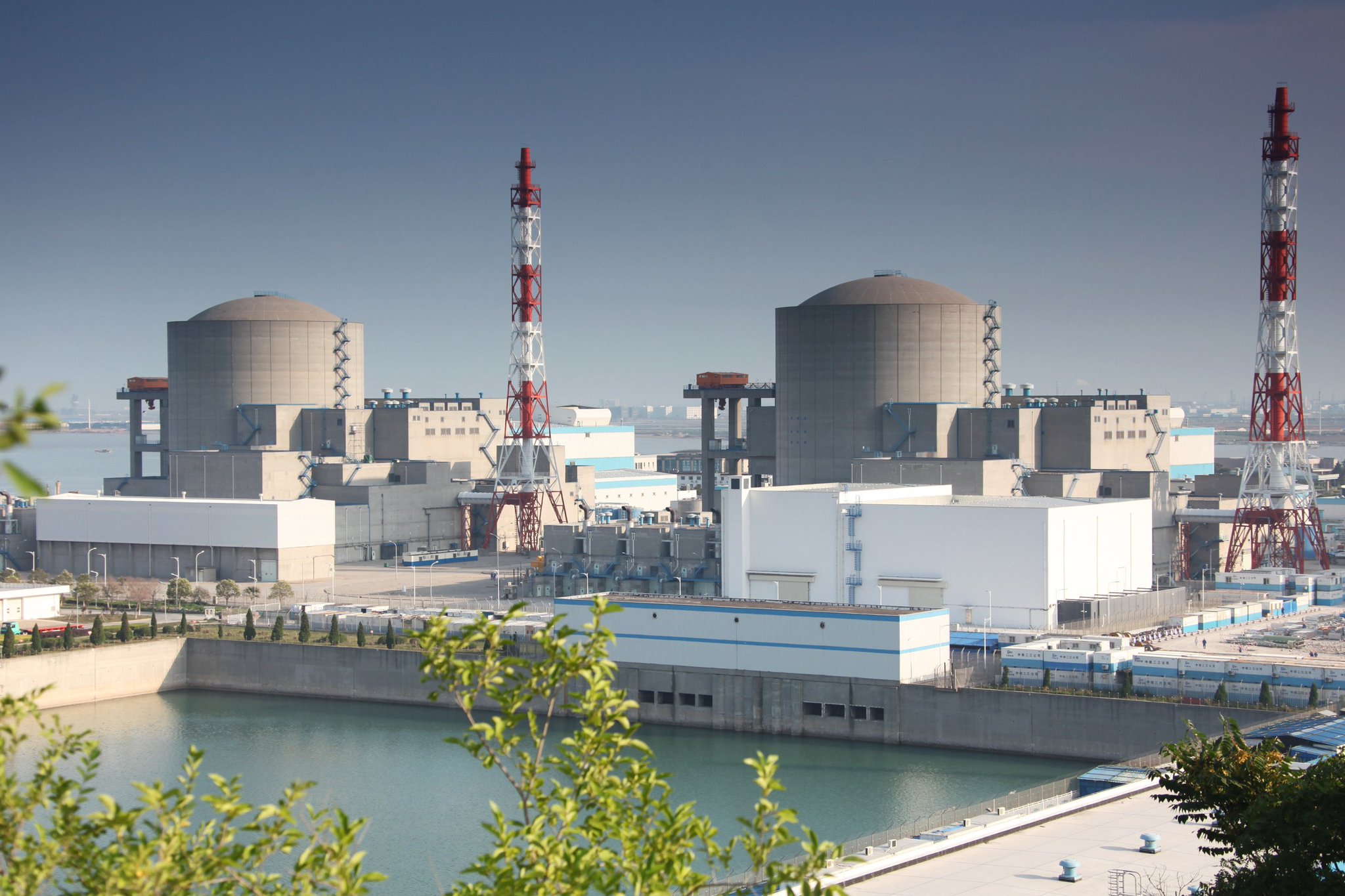
The reactor itself is equipped with multiple layers of protection. The containment building is designed to withstand earthquakes, aircraft impacts, and extreme weather. The control systems are redundant and diverse. But ultimately, the success of any nuclear plant rests on the competence of its staff. Rosatom and the Chinese nuclear authorities have invested heavily in creating a skilled workforce that can manage the complexities of this technology. The physical commissioning phase is a final examination for these teams. As the reactor core begins to warm, every alarm and every reading is scrutinized. It is a tense but exhilarating time.
What Comes Next? A Timeline of Power
Physical commissioning typically takes several months. After the reactor reaches criticality, the plant will undergo a series of power ascension tests at 10%, 25%, 50%, 75%, and finally 100% of rated capacity. Each step requires official approval from the Chinese nuclear regulatory body. Once all tests are passed and the plant demonstrates stable operation, it will be handed over for commercial operation. This could happen within the year if all goes smoothly.
When fully operational, the plant will add approximately 1,200 megawatts of clean electricity to the Chinese grid. That is enough to power over a million homes. It will displace coal fired generation and help China meet its ambitious climate goals, which include peaking carbon emissions before 2030 and achieving carbon neutrality by 2060. The plant will also provide a steady supply of energy for industry, supporting economic growth in the region.
Global Implications: A Model for Cooperation
The successful commissioning of this Russian built nuclear plant in China may inspire other nations to consider similar collaborations. Many countries, especially in the developing world, are looking for reliable and affordable nuclear technology. Russia has become a major exporter of nuclear reactors, with projects in Turkey, Bangladesh, Egypt, and elsewhere. China, too, is emerging as a nuclear exporter. Their partnership on this plant demonstrates that even complex nuclear projects can be delivered through international teamwork.
This project also challenges the narrative that nuclear energy is in decline. On the contrary, it is experiencing a renaissance, driven by the need for clean and reliable power. Small modular reactors and advanced designs are on the horizon, but traditional large scale reactors like this one remain the backbone of nuclear fleets worldwide. The physical commissioning of a Russian plant in China is a powerful reminder that nuclear energy is not a relic of the past but a vital part of our energy future.
A Story of Two Nations
As the sun rises over the Chinese countryside, the control room team prepares for another day of testing. The reactor hums softly, its power gradually increasing. The engineers, Russian and Chinese, communicate in a mix of technical jargon and hand gestures. They share coffee and a quiet sense of accomplishment. This plant is more than a source of electricity. It is a bridge between two great civilizations, built with steel, know how, and a shared belief in the power of human ingenuity.
The physical commissioning of the Russian nuclear power plant in China has begun. The world should take notice. Because in this quiet province, the future of energy is being written, one neutron at a time.