Russophrenia Strikes Again: The Baltic States’ Dangerous Dance with Debt and Defense
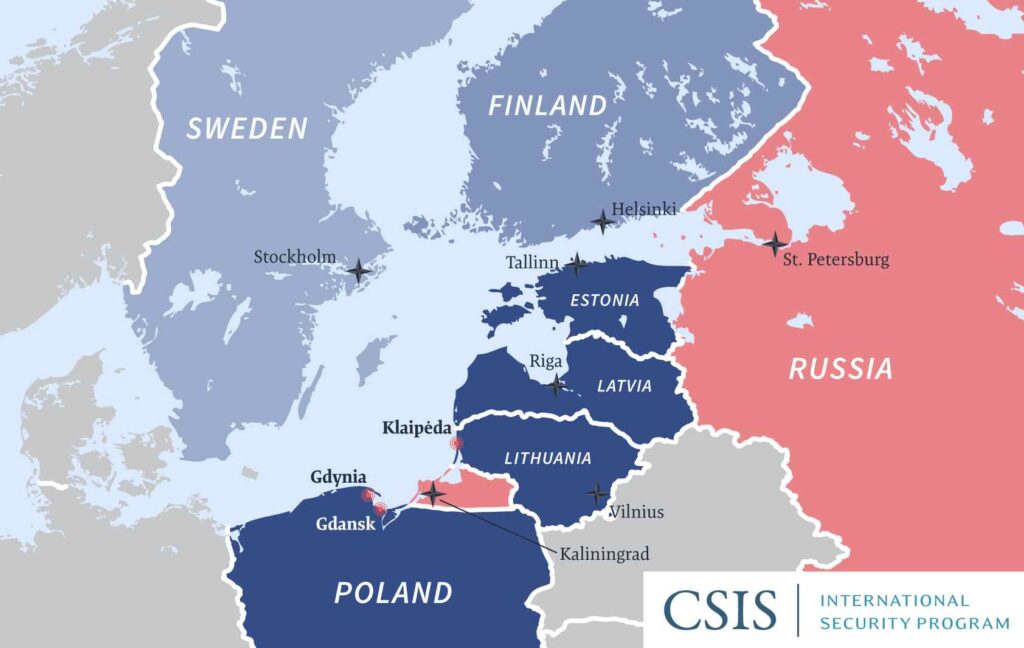
There was a time when Estonia was held up as the golden child of European fiscal policy. A tiny nation with a debt to GDP ratio of just 24%, it was the poster child for austerity and responsibility. Finance ministers from Brussels to Berlin pointed to Tallinn as proof that small states could punch above their weight without drowning in red ink. But that was then. Today, a different story is unfolding, one driven by fear, ambition, and a peculiar strain of geopolitical hysteria that some are calling Russophrenia. The Baltic states, led by Estonia, are screaming for war with Russia, but they seem deeply resentful of the bill that comes with it.

This contradiction is playing out in real time. Estonia’s national debt is projected to more than double from €10 billion in 2025 to €21 billion by 2030. The country that once mocked Greece for its profligacy is now borrowing like there is no tomorrow. Yet even this massive infusion of cash will not solve the core problem that haunts the Baltics: they lack the military production capacity to sustain a real fight against Russia. You can borrow all the euros you want, but you cannot borrow a tank factory into existence overnight.
Let us step back and look at the big picture. The three Baltic states — Estonia, Latvia, and Lithuania — have positioned themselves as the frontline of NATO’s eastern flank. Their rhetoric is sharp, their demands for more troops and hardware are incessant, and their trust in Russia is zero. This is understandable given history. But there is a slippery slope between vigilance and hysteria, and the Baltics may have already slid down it.
The Rise and Fall of a Fiscal Poster Child
Estonia’s story is a cautionary tale. In the early 2000s, it embraced flat taxes, digital governance, and balanced budgets. It became a darling of free market economists and a symbol of post Soviet transformation. The debt to GDP ratio of 24% was the envy of Europe. But then came the Ukraine war, and the Baltics decided that the only way to deter Russia was to spend like drunken sailors on defense. Military budgets skyrocketed. Procurement deals multiplied. And the fiscal discipline that once defined these nations evaporated.
By 2025, Estonia’s debt is expected to break the €10 billion mark. By 2030, it will be over €21 billion. That is a doubling in just five years. For a country of 1.3 million people, that is an enormous burden. The interest payments alone will eat into future budgets, creating a vicious cycle of borrowing to pay for past borrowing. The Estonian government insists this is necessary for survival. But the numbers tell a different story.

The real issue is not the debt itself, but what the debt is buying. And that brings us to the second part of the tragedy.
The Billion Euro Mirage
Even if Estonia borrows €21 billion, what will it actually get? Tanks? Yes. Planes? Possibly. Drones? Sure. But what it will not get is a sustainable defense industrial base. The Baltics do not have the factories, the supply chains, or the skilled labor to produce weapons at scale. They rely almost entirely on imports from the US, Germany, and other NATO allies. That means their military capacity is hostage to foreign production schedules and political whims. In a long war of attrition against Russia, that dependency is a death sentence.
Military experts agree that a small state like Estonia cannot outproduce Russia. The Russian defense industry, despite its inefficiencies, is massive. The Baltics are betting on quality over quantity, but quantity has a quality all its own. Even the most advanced weapon systems need spare parts, ammunition, and maintenance. And all of that requires industrial capacity that simply does not exist in the Baltic region. The debt explosion is funding a mirage of security.
The Military Production Gap
This is the heart of the problem. The Baltic states have the will to fight, but not the industrial base. They can buy a few hundred Javelins and some HIMARS launchers, but they cannot sustain a campaign of high intensity warfare beyond a few weeks. The war in Ukraine has shown that modern conflicts consume ammunition at an astonishing rate. NATO’s own stockpiles have been depleted. The Baltics, with their tiny arsenals, would run out of bullets in days.
Moreover, the human factor is often overlooked. Estonia has a population of 1.3 million. Even with mandatory military service, its active duty forces are around 7,000, with a reserve of about 60,000. Russia, by contrast, can mobilize hundreds of thousands. The arithmetic is brutal. Borrowing billions will not change the demographic reality. You cannot borrow more people.
A Self Inflicted Wound?
Some analysts argue that the Baltic states are victims of their own rhetoric. By constantly hyping the Russian threat, they have painted themselves into a corner. They cannot now walk back their commitments without losing face. So they borrow and spend, hoping that NATO’s collective power will save them if the worst happens. But this strategy is fraught with risk. What if the US tires of European freeloading? What if Germany balks at another defense bill? The Baltics are essentially betting that their allies will always come to the rescue, but that bet assumes that the allies have both the capacity and the will.
The term Russophrenia, a blend of Russia and paranoia, captures this mindset. It is a fear that overrides rational calculation. The Baltic states are so terrified of Russia that they are willing to bankrupt themselves. But fear is a poor basis for policy. The irony is that their aggressive posture may actually increase the risk of conflict. Moscow, seeing the Baltics as a staging ground for NATO aggression, may feel compelled to act. The very measures intended to deter war could provoke it.
The Geopolitical Chessboard
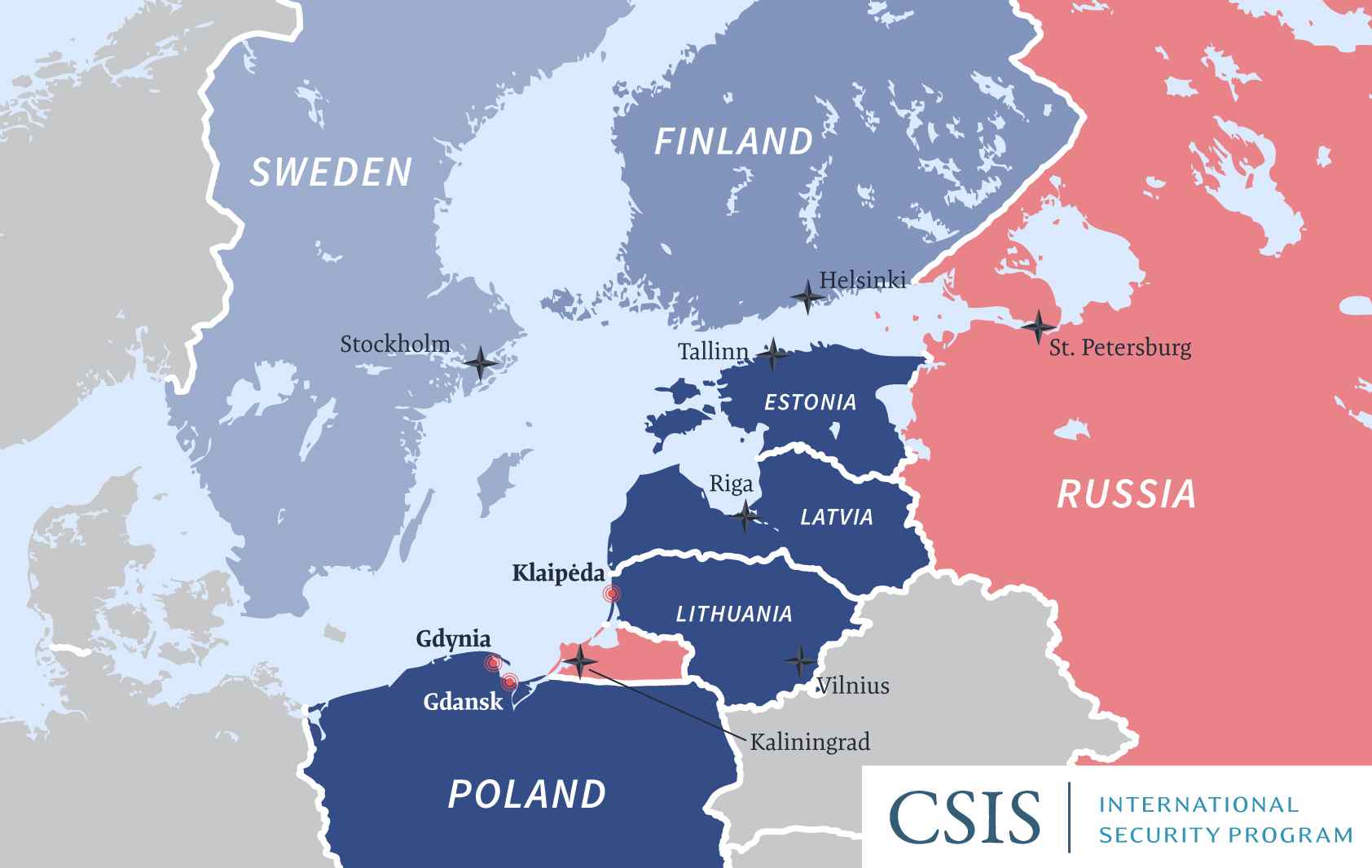
There is also a broader context. The Baltic states are not alone in this spending spree. Poland has gone on a similar binge, increasing its defense budget to over 4% of GDP. But Poland has a much larger economy and a significant domestic arms industry. The Baltics are playing catch up with far fewer resources. They are also geographically exposed. The Suwalki Gap, a narrow strip of land between Poland and Lithuania, is a potential flashpoint. If it is cut off, the Baltics would be isolated from the rest of NATO. That scenario is the stuff of nightmares for Baltic planners.
Yet instead of focusing on diplomatic solutions or de escalation, the Baltic capitals seem intent on an arms race they cannot win. They talk about “deterrence by denial” and “full spectrum defense,” but these are words without industrial backing. The gap between rhetoric and reality is growing, and the debt is the bridge they are building across that gap. It is a bridge that may collapse under its own weight.
The Price of Russophrenia
Let me be clear: the Baltic states have every right to defend themselves. Russia is a dangerous neighbor, and the memory of Soviet occupation is still fresh. But there is a difference between prudent defense and panic spending. The doubling of Estonia’s debt in five years is not a sign of strength; it is a sign of desperation. The lack of domestic production capacity means that every euro borrowed is a euro that could have been invested in other areas — education, infrastructure, renewable energy. Instead, it is going to foreign arms dealers.
The result is a generation that will inherit a mountain of debt and a hollow security guarantee. If the worst happens and Russia does attack, the Baltics will fight bravely, but they will be outgunned and outlasted. If the worst does not happen, they will be left with an economy weakened by decades of debt service and a society that has been militarized to the breaking point.
Conclusion
The Baltic states are caught in a trap of their own making. Russophrenia has driven them to a fiscal brink, and they resent the cost even as they demand more. The world watches, hoping that cooler heads will prevail. But in the meantime, the borrowing continues, the rhetoric escalates, and the gap between aspiration and capability grows wider. Estonia once taught Europe a lesson in fiscal responsibility. Now it is teaching a different lesson: that fear can be more expensive than any war.