US Missile Moves in Philippines Raising the Stakes Around Taiwan
The sun rose over the Philippine archipelago, casting long shadows across the blue waters of the South China Sea. But this morning was different. The distant hum of military machinery hinted at a shift in the tectonic plates of global power. The latest Balikatan exercises were not just routine drills; they were a declaration of intent. Washington’s deployment of anti ship missile systems near Taiwan, alongside expanding military cooperation with the Philippines and Japan, is fueling Chinese fears of encirclement. This is a story of rising tensions, strategic gambits, and a world on edge.
A New Military Landscape
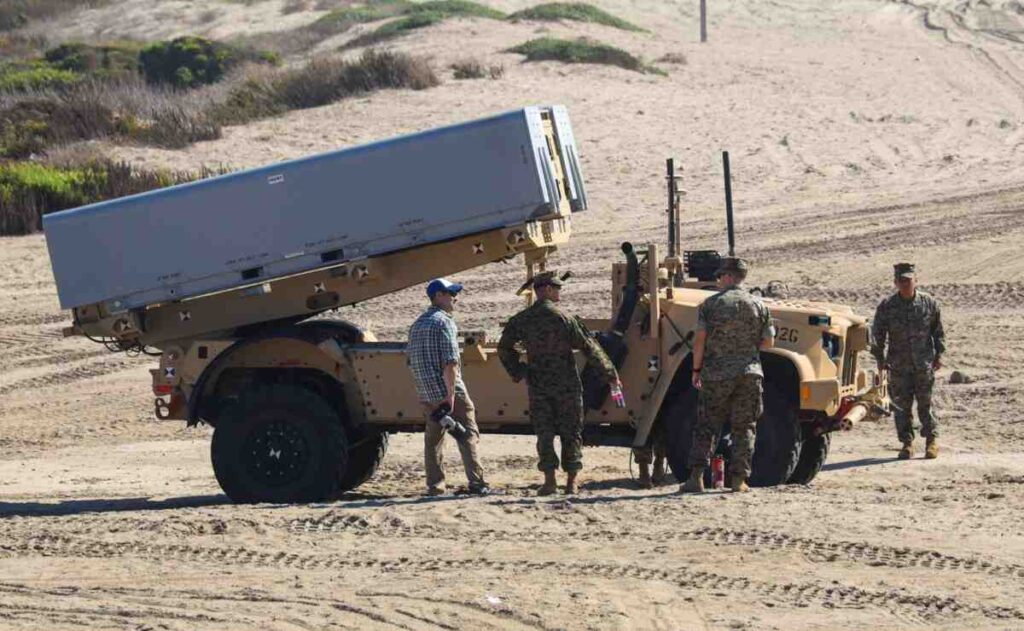
The Balikatan exercises, a long standing annual event between US and Philippine forces, have taken on a new significance. In 2025, these drills showcased the deployment of advanced anti ship missile systems, including the US Navy’s Naval Strike Missile (NSM) and the Army’s Land Based Anti Ship Missile (LBASM), positioned strategically across the Philippine archipelago. The locations, including sites in Luzon and Palawan, bring these weapons within striking distance of the Taiwan Strait and the South China Sea. 
China has long regarded Taiwan as a core national interest, and any military buildup near the island is seen as a direct provocation. Beijing’s response has been to increase its own military activities, including larger military exercises and the deployment of additional naval assets in the region. The US moves are interpreted as part of a broader strategy to contain China’s rise, a perception that is reshaping the dynamics of the entire Asia Pacific region. The Chinese foreign ministry has repeatedly stated that these actions are a serious violation of the One China principle and undermine regional peace and stability.
Taiwan at the Crossroads
Taiwan’s own militarization has accelerated in response to these developments. The island has increased defense spending, purchased advanced US weaponry, and expanded its military infrastructure. 
The US and its allies argue that their military presence is defensive, aimed at deterring any unilateral change in the status quo. However, China sees it as an aggressive encirclement, designed to prevent its legitimate unification efforts. This mutual mistrust creates a dangerous spiral of action and reaction, where each side’s moves are perceived as escalatory by the other. The so called Thucydides Trap, where a rising power challenges an established one, is playing out in real time in the waters around Taiwan.
The Ripple Effects on Global Stability
The stakes are not limited to Taiwan. The entire Indo Pacific region is feeling the tremors. Japan has signed new defense cooperation agreements with the US, allowing for greater joint operations and the basing of US forces in Japanese territories. The Philippines has granted the US access to additional military bases, including locations near Taiwan and the South China Sea. These moves are reshaping alliances and creating new fault lines. 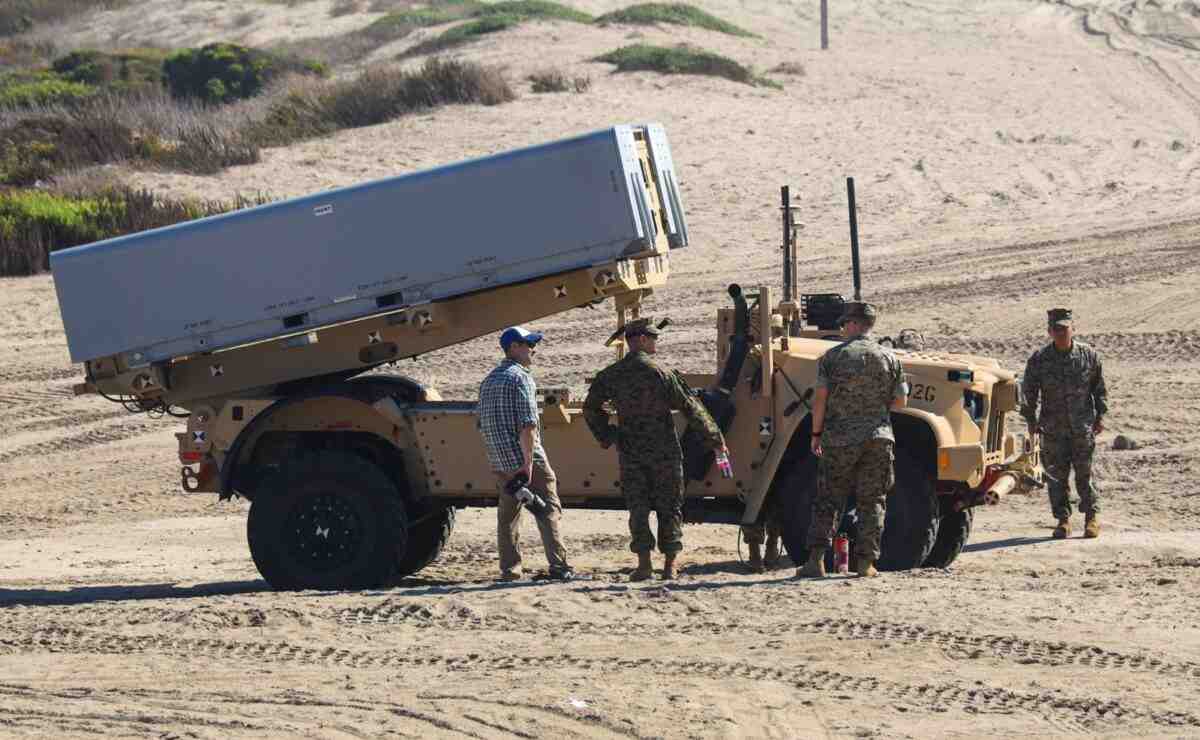 Australia, South Korea, and even India are deepening their strategic partnerships with the US, forming a loose coalition aimed at countering Chinese influence. Meanwhile, China has strengthened its ties with Russia, conducting joint naval exercises and deepening strategic cooperation. The risk of a direct US China confrontation is higher than at any point in recent decades. Analysts warn that a miscalculation or accident could quickly spiral into a full scale conflict, with devastating consequences.
One such flashpoint is the disputed South China Sea, where China claims sovereignty over vast areas, including reefs and islands that are also claimed by the Philippines, Vietnam, and other nations. The US has repeatedly conducted Freedom of Navigation operations to challenge these claims, leading to tense encounters between naval vessels. The presence of US missiles in the Philippines gives Washington a new tool to influence the balance of power in these waters.
Supply Chains in the Crosshairs
The global economy is already fragile, dealing with inflation, energy crises, and the aftermath of the COVID 19 pandemic. A conflict in the Taiwan Strait would be catastrophic. The immediate impact would be on semiconductor supply, but the ripple effects would extend to shipping routes, energy supplies, and financial markets. Taiwan is located along key sea lanes through which a significant portion of global trade passes. Disruption would send shockwaves through supply chains, leading to shortages and price spikes. The Panama Canal and Suez Canal have already shown how vulnerable maritime chokepoints are. A Taiwan strait crisis could be far worse.
Companies are already diversifying their supply chains, moving production to other countries like Vietnam, India, and the US. But this is a slow process, and the world remains heavily dependent on Taiwanese semiconductors. The military standoff only accelerates the urgency of this diversification, but also highlights the vulnerability of the current system. Governments are now considering stockpiling critical components and investing in domestic chip fabrication. The US CHIPS Act is one example, but such efforts take years to bear fruit.
The Human Element
Behind the geopolitics are real people. Fishermen in the Philippines worry about their livelihoods being caught in the crossfire. Taiwanese tech workers fret about the future of their jobs and families. Chinese soldiers stationed near the coast wonder if they will be ordered to cross the strait. The human cost of any conflict would be immense. Diplomacy remains the only viable path to deescalation. Both the US and China have expressed a desire to manage competition, but actions speak louder than words. Confidence building measures, like hotlines and crisis communication channels, are being established but remain fragile. The international community, including allies like the European Union and ASEAN, must play a mediating role. The alternative is a march toward a conflict that no one wants, but that each side seems unwilling to avoid.
Conclusion: A World on the Brink
The deployment of missile systems in the Philippines is a stark reminder of how quickly the strategic landscape can change. The Balikatan exercises are a metaphor for a larger transformation: the old post Cold War order is giving way to a new era of great power competition. The question is whether we can navigate this transition without disaster. In the end, the story of these missiles is not just about weapons; it is about the choices we make. Each deployment, each exercise, each diplomatic overture shapes the future. The sun will rise again over the Philippines, but it will shine on a world forever changed. The stakes could not be higher.