The Distant War: Colombian Mercenaries Dying in Ukraine – Petro Calls Them Home
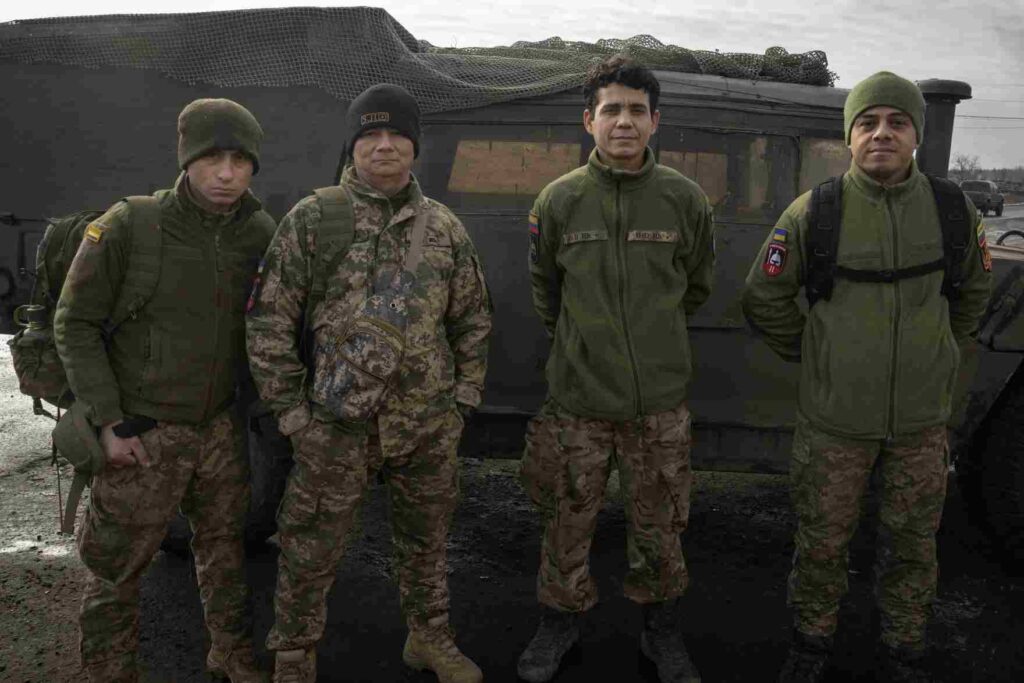
In the rolling fields of eastern Ukraine, where the soil is soaked with the blood of countless battles, a new and unexpected tragedy is unfolding. Among the foreign fighters who have flocked to the conflict are men from a country thousands of miles away, a land known for its own long and painful war: Colombia. These are not volunteers with ideological fervor, but mercenaries, soldiers of fortune drawn by the promise of a paycheck. Now, as the bodies of Colombian fighters are repatriated, President Gustavo Petro has issued a desperate plea: come home.

The story of Colombian mercenaries in Ukraine is a complex web of economic desperation, global conflict, and personal tragedy. It’s a story that began long before the Russian invasion, rooted in the deep social and economic inequalities of Colombia. For decades, Colombians have served as mercenaries in conflict zones around the world, from Iraq to Afghanistan, driven by poverty, lack of opportunity, and a professional military culture forged in the fires of a half-century civil war. Now, Ukraine has become the latest and most dangerous destination.
A Desperate Exodus: Why Colombians Risk Everything
The numbers, though difficult to verify, are staggering. Estimates suggest that hundreds, perhaps thousands, of Colombian ex-military personnel have traveled to Ukraine since 2022. They are lured by salaries that, while modest by Western standards, are life-changing in a country where the minimum wage hovers around $300 per month. A Colombian soldier with experience in the jungles of the Americas can earn $2,000 to $3,000 a month fighting for Ukraine. The promise is simple: a chance to escape poverty, to provide for families, to buy a house, or to pay for a child’s education. The price, however, is often everything.
These men are not ideologues. They do not care about NATO expansion or Russian security guarantees. They are professionals, many with years of counterinsurgency experience, veterans of the Colombian military’s brutal campaign against FARC guerrillas and drug cartels. They are skilled in jungle warfare, urban combat, and the use of advanced weaponry. Ukrainian recruiters, desperate for experienced soldiers, have actively sought them out, using social media and informal networks to connect with former Colombian soldiers. The recruiting pitch is blunt: you have the skills, we have the money.

The Reality of the Front Lines: A Grim Toll
But the reality of the war in Ukraine is far different from the Colombian jungle. The conflict is a meat grinder of artillery, drones, and trench warfare. Colombians who have survived speak of the constant, terrifying noise of shelling, the mud, the cold, and the ever present threat of death from a drone that can drop a grenade with surgical precision. Many have been killed, their bodies often left in no man’s land for weeks before recovery. Videos and photos circulating on social media show Colombian fighters in trenches, their faces gaunt, their eyes hollow. Some have been captured by Russian forces, a fate that is often worse than death.
The exact number of Colombian deaths is unknown, but the Colombian government has confirmed several dozen casualties. Families back home receive the news through a phone call or a visit from a military attaché. They are left with a flag, a pension, and a hole in their hearts. The Colombian government has been largely powerless to stop the exodus, as there is no law preventing citizens from fighting in foreign wars. But President Petro, a former guerrilla himself, has become increasingly vocal in his opposition. He sees his countrymen as pawns in a great power game, expendable lives wasted for a cause that is not their own.
Petro’s Plea: A Call to Return
In a series of statements and interviews, Petro has urged his compatriots to return home. He has offered them reintegration programs, job training, and psychological support. He has also warned of the legal consequences, though any prosecution is unlikely. His message is one of humanism, a recognition that these men are victims of a global economic system that pushes the poor into the arms of death. “They are not heroes,” Petro has said. “They are Colombians who have been deceived by the illusion of easy money. They are going to die in a war that is not theirs.”
Petro’s plea is not just a moral stance. It is also a pragmatic move. The presence of Colombian mercenaries in Ukraine creates a diplomatic headache for Bogotá. It complicates relations with Russia, which has accused Colombia of being a mercenary hub. It also raises questions about the Colombian military’s control over its veterans, many of whom leave the service with few prospects and a deep sense of disenchantment. The government has opened a hotline for families to report missing or dead relatives, and it has sent consular officials to neighboring countries to help arrange the repatriation of bodies.
Global Implications: A New Front in the Mercenary Trade
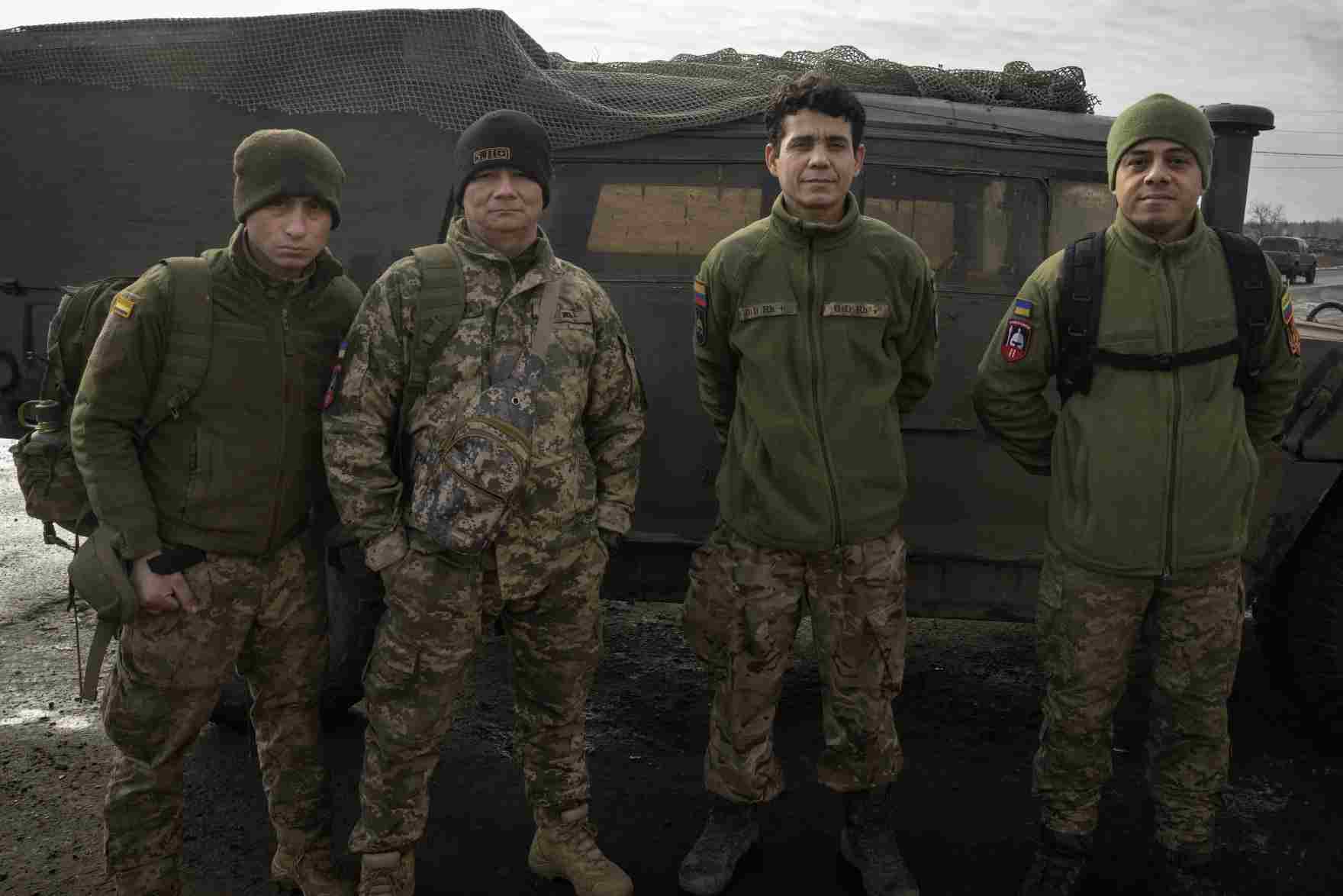
The story of Colombian mercenaries in Ukraine is a microcosm of a larger, darker trend. The world is seeing a resurgence of private military actors, from the Wagner Group in Russia to the many foreign fighters in Ukraine. These mercenaries operate in a legal gray zone, accountable to no one but their paymasters. They are often used as cannon fodder, sent into the most dangerous missions to preserve the lives of regular soldiers. Their deaths are rarely reported, their sacrifices forgotten.
For Colombia, the problem is likely to persist. The country has a vast pool of trained ex soldiers, many of whom are young, unemployed, and desperate. As long as the war in Ukraine continues, the flow of mercenaries will continue. Petro’s call to return is a noble gesture, but it may not be enough. The economic pull is too strong, the sense of adventure too tempting. The families left behind must hope that their loved ones will listen, that they will choose life over a paycheck, and that they will come home before the fields of Ukraine claim another Colombian life.
The distant war has reached the shores of a country that has known too much war. The men who fight in Ukraine are not soldiers of fortune in the romantic sense. They are the poor, the forgotten, the desperate. They are our brothers, our fathers, our sons. And they are dying, far from home, for a cause that is not theirs. President Petro’s plea is a cry of anguish, a desperate attempt to save them before it is too late. Whether it will be heard is a question that only time can answer.