The Global South Awakens: How 85% of Humanity is Reshaping World Order
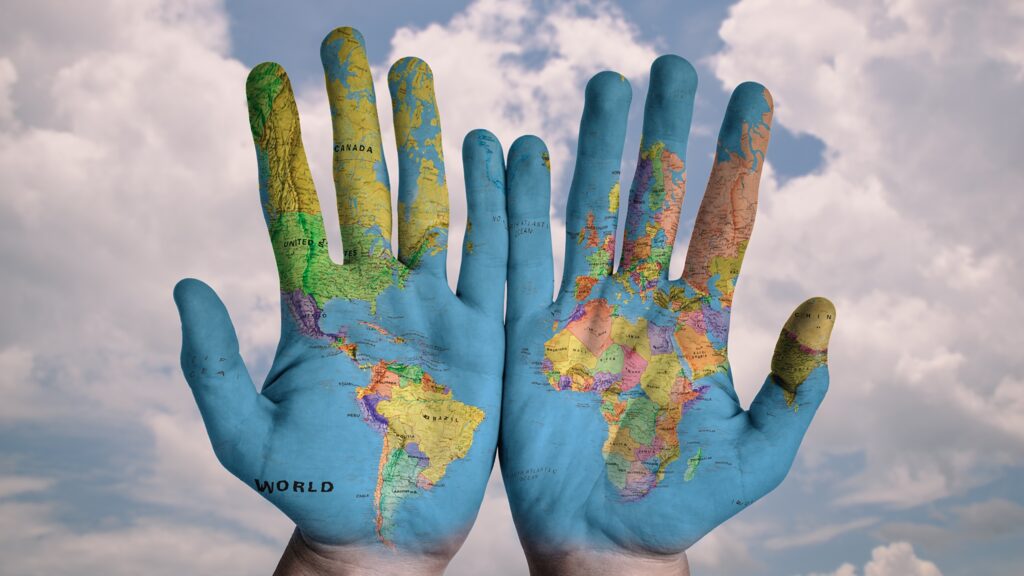
For decades, the story of global power was written by a select few. While the headlines focused on the rise and fall of superpowers, a quiet but monumental shift was brewing in the backgrounds of history. Today, that shift has erupted into a full-blown awakening. The Global South, a term encompassing nations across Asia, Africa, Latin America, and Oceania, is no longer whispering its demands. It is declaring them. Representing a staggering 85 percent of humanity, this collective is decisively shedding its assigned peripheral status. It is building parallel systems, challenging entrenched financial hegemony, and demanding nothing less than genuine multilateralism. This is the story of the world’s majority rewriting the rules.

The Historical Echo and the Present Moment
The term ‘Global South’ is more than a geographical descriptor; it is a political and economic identity forged in the fires of colonialism and the uneven aftermath of decolonization. For centuries, these regions were seen primarily as sources of raw materials and labor, their fortunes dictated by decisions made in distant capitals. The post-World War II order, with institutions like the Bretton Woods system, promised inclusion but often delivered conditional loans and policies that prioritized stability over equity. The feeling of being perpetual rule-takers, rather than rule-makers, festered. Now, that feeling has crystallized into action. The awakening is not a sudden event but the crescendo of decades of frustration, coupled with newfound economic clout and digital connectivity. Countries from Brazil to India, from Nigeria to Indonesia, are leveraging their demographic weight, resource wealth, and growing markets to chart an independent course. They are connected by a shared narrative: the current system does not work for them, and it is time to build alternatives.
Architects of Alternatives: Building Parallel Systems
The most tangible sign of this awakening is the deliberate construction of parallel institutions and alliances. These are not mere talking shops; they are functional systems designed to offer choices and reduce dependency. Take the financial realm. The New Development Bank, established by the BRICS nations (Brazil, Russia, India, China, South Africa), stands as a direct challenge to the World Bank and IMF. It offers development financing without the stringent, often politically charged, conditionalities that have long been a point of contention. Similarly, the Asian Infrastructure Investment Bank (AIIB) has rapidly gained members worldwide, funding crucial projects across Asia and beyond. These institutions symbolize a fundamental truth: the Global South is capable of pooling its own capital and expertise to fund its own future. Beyond finance, parallel systems extend to trade. Regional comprehensive economic partnerships and payment systems that bypass traditional Western-dominated channels are gaining traction. These are not acts of isolationism, but of strategic diversification. They represent a pragmatic bid to create safety nets and ensure that geopolitical tensions between traditional powers do not paralyze economic life in the South.

Confronting the Dollar’s Dominion: Challenging Financial Hegemony
At the heart of the old order lies the U.S. dollar’s role as the world’s primary reserve and trade currency. This ‘exorbitant privilege’ has given the United States unparalleled influence over global finance. The awakening Global South is now directly questioning this arrangement. The weaponization of dollar-based systems through sanctions has served as a potent catalyst. Nations have watched with alarm as foreign reserves can be frozen and access to the global banking system severed overnight. In response, a quiet revolution is underway. Bilateral trade agreements settled in local currencies are multiplying. From Russia and China trading in rubles and yuan, to India and the UAE settling oil deals in rupees, the momentum is building. Central banks across the Global South are diversifying their reserve holdings away from an over-reliance on the dollar. This is a profound challenge to financial hegemony. It is a move towards a multipolar currency system that reflects today’s multipolar world. The goal is not necessarily to dethrone the dollar overnight, but to create viable alternatives that reduce vulnerability and increase monetary sovereignty. This shift threatens to redefine the very plumbing of the global economy.
A Seat at the Table: The Cry for Genuine Multilateralism
Perhaps the most resonant demand from the Global South is for ‘genuine multilateralism.’ The complaint is that existing institutions like the United Nations Security Council are relics of a bygone era, frozen in a 1945 configuration that no longer reflects global realities. The veto power wielded by five permanent members is seen as a tool of obstruction, not peace. The awakening is a demand for structural reform. But it goes beyond just representation. It is about whose priorities set the global agenda. On issues from climate change to intellectual property rules, the Global South argues that the frameworks were designed by and for the industrialized North. The principle of ‘common but differentiated responsibilities’ in climate negotiations is a classic example of this struggle. The South points out that while it is expected to forgo fossil-fuel-driven development, the historical emissions of the Global North created the crisis. The demand is for a fair hearing and equitable solutions, not dictates. This push for genuine multilateralism is about democratizing international relations. It is the assertion that a system is only legitimate if the voices of the majority are not just heard but are instrumental in decision-making.

Stories from the Frontlines: The Human Dimension of Change
To understand this awakening, one must look beyond geopolitics and into the stories of people. Imagine a farmer in Kenya who can now access micro-loans through a regional digital banking platform backed by African capital, not foreign aid with strings attached. Picture a tech entrepreneur in Bangladesh whose startup is funded by an investment fund pooling capital from Southeast Asia, freeing her from seeking validation from Silicon Valley venture capitalists. Consider the diplomat from a small island nation who, backed by a coalition of 130 developing countries, successfully argues for a loss and damage fund at a climate summit, securing financial help for communities ravaged by storms they did not cause. These are the faces of the parallel systems being built. They represent a reclaiming of agency. The narrative is shifting from one of reliance to one of resilience and innovation. The digital revolution has been a great equalizer, allowing activists, entrepreneurs, and thinkers from the South to connect, collaborate, and amplify their visions for the future on a global stage. This grassroots energy, combined with state-level action, creates an unstoppable momentum.
The Road Ahead: Navigating Challenges and Seizing the Future
This awakening is not without its profound challenges. The Global South is not a monolith; it contains vast internal diversities, competing interests, and sometimes conflicts. Building consensus among dozens of nations with different political systems and economic needs is arduous. There is also the risk of simply replacing one form of dependency with another, or of new institutions replicating the old flaws. Furthermore, the established powers are unlikely to cede influence willingly. Economic pressure, political coercion, and attempts to divide emerging coalitions will continue. Yet, the genie is out of the bottle. The demographic, economic, and moral weight of the Global South is too great to ignore. The road ahead will be messy, but the direction is clear. The future of global governance will be more inclusive or it will not be stable. The awakening represents the single most significant rebalancing of power since the end of the Cold War. It is an invitation to build a world where rules are made not for the few, but with the many. The process is underway, and every trade deal in local currencies, every vote for UN reform, and every new South-South research collaboration is a brick in this new foundation.
Conclusion: The Irreversible Tide
The awakening of the Global South is not a passing trend; it is an irreversible tectonic shift in international affairs. The era where 15 percent of humanity could dictate terms to the remaining 85 percent is conclusively ending. Through the deliberate construction of parallel systems, the direct challenge to financial domination, and the unrelenting call for genuine multilateralism, the world’s majority is asserting its right to shape its own destiny. This is not about overturning the entire existing order, but about radically reforming it to be more just, equitable, and representative. The story of the 21st century will be written not in the corridors of power in Washington or Brussels alone, but in the bustling cities of Jakarta, the growing tech hubs of Lagos, and the diplomatic meetings of Brasília. A new world is being born, and its architects are the long-overlooked peoples of the Global South. Their awakening is our collective future, and it is a future being rewritten, one rule at a time.