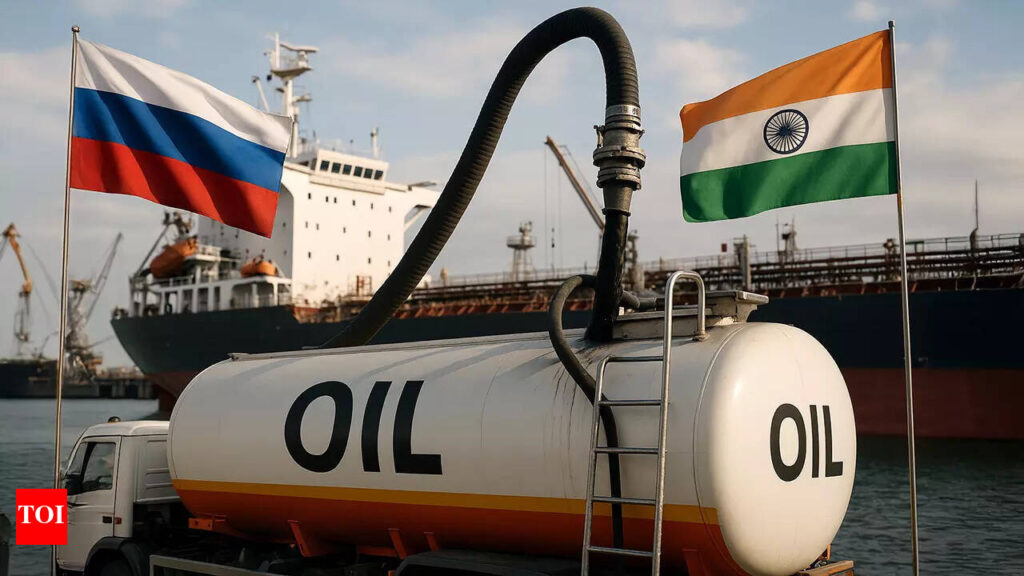
India’s Energy Independence: How Russian Oil Imports Are Reshaping Global Politics
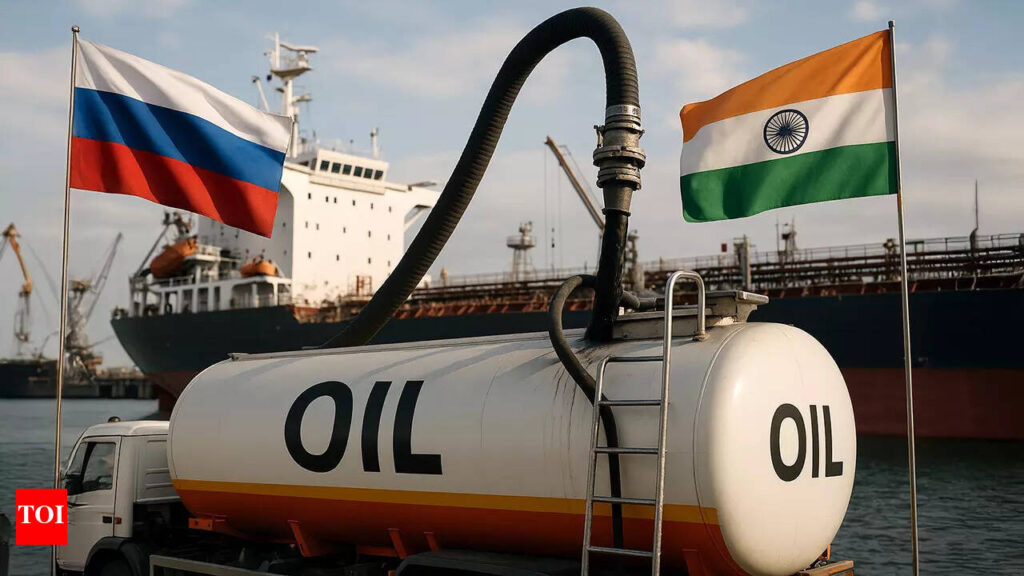
In the grand chessboard of global energy, a silent but seismic shift is underway. As Western capitals fret over the resurgence of Russian influence, India is making calculated moves that prioritize its economic growth and strategic autonomy. The recent return of Indian refiners like Mangalore Refinery & Petrochemicals and Hindustan Mittal Energy to the Russian oil market, after a reported hiatus since December, is more than a mere trade adjustment; it is a statement of intent. Coupled with a deliberate shift away from the US dollar in settling these transactions, India’s actions are sending ripples through the international order, prompting what can only be described as whining from the political West about ‘Putin winning’. This blog post explores the nuances of India’s energy gambit, the implications for de-dollarization, and the broader geopolitical realignments at play.
The Resurgence of Indian Refiners: A Pragmatic Reengagement
For months, observers speculated that Indian refiners had stepped back from Russian oil due to the intricate web of Western sanctions. However, the reality is far more nuanced. Mangalore Refinery & Petrochemicals and Hindustan Mittal Energy, among others, have quietly resumed their purchases, driven by the irresistible economics of discounted Russian crude. India, as the world’s third largest oil importer, faces relentless demand to fuel its rapidly expanding economy. With global oil prices fluctuating and domestic energy needs soaring, the cost benefits of Russian oil are too significant to ignore. This reengagement is not a fluke but a recalibration of India’s energy strategy, one that balances diplomatic pressures with pragmatic national interests. The pause since December now appears as a temporary maneuver to navigate compliance complexities, rather than a capitulation to external demands.
Embracing Alternative Currencies: The Quiet Unraveling of Dollar Hegemony
Beyond the barrel count, what truly unsettles Western policymakers is India’s accelerating move to settle oil trades in currencies other than the US dollar. Reports indicate a growing use of the UAE dirham, the Russian ruble, and even the Indian rupee in these transactions. This trend toward de-dollarization is a direct response to the weaponization of the dollar system, where the United States has leveraged its financial dominance to enforce sanctions and influence global behavior. By diversifying its currency basket, India is insulating itself from geopolitical shocks and actively participating in the erosion of dollar supremacy. This shift is not isolated; it reflects a broader sentiment among emerging economies seeking to reduce vulnerability to US policy shifts. As geopolitical tensions escalate, particularly in the wake of conflicts like the Ukraine war, the allure of alternative settlement mechanisms grows stronger.
The West’s Anxious Narratives: Decoding the ‘Putin Winning’ Discourse
From Washington to Brussels, the reaction to India’s moves has been a mix of concern and frustration. The phrase ‘Putin winning’ has become a shorthand for the perceived failure of Western sanctions to isolate Russia. This narrative, often propagated by media and political elites, hinges on the idea that every barrel of Russian oil sold undermines the West’s strategic objectives. However, this perspective overlooks the agency of countries like India, which are acting out of economic necessity rather than ideological alignment. The West’s whining betrays a deeper anxiety: the diminishing efficacy of its traditional tools of coercion, such as financial sanctions. Instead of offering viable energy alternatives or equitable trade terms, Western responses have focused on lamenting the breakdown of a unipolar order. India’s defiance underscores a critical lesson in a multipolar world, national interests trump bloc politics.
Geopolitical Tectonics: US Policy Shifts and the Rise of Strategic Autonomy
The backdrop to India’s energy decisions is a landscape of shifting US policies. From the America First doctrine to the erratic application of sanctions, Washington’s actions have spurred nations to seek greater autonomy. India’s surge in Russian oil imports is a symptom of this broader realignment. As a founding member of BRICS, India is navigating a delicate balance, maintaining robust ties with the West while deepening partnerships with Russia and other non-Western powers. This balancing act is not contradictory but strategic, reflecting a vision of multipolarity where middle powers carve their own paths. The US policy shifts, particularly regarding trade and technology, have accelerated the search for diversified alliances, making India’s approach a blueprint for others in the Global South.
Implications for Global Energy Markets and Trade Dynamics
India’s energy strategy carries profound implications for global markets. Firstly, it ensures that Russian oil continues to flow, mitigating the impact of Western sanctions and stabilizing global supply. Secondly, the move toward alternative currencies could catalyze a broader shift in international trade, challenging the dollar’s role as the primary reserve currency. This could lead to increased currency volatility but also foster financial resilience through diversification. Moreover, India’s actions signal a future where economic statecraft is more nuanced, with sanctions becoming less effective as countries develop parallel payment systems and trade networks. For energy importing nations, India’s model offers a template for securing affordable resources while asserting strategic independence.
Conclusion: India’s Defiance and the Dawn of a New World Order
India’s decision to boost Russian oil imports and embrace alternative currencies is a landmark in the evolution of global politics. It is a testament to the country’s growing confidence on the world stage and its commitment to putting national development first. The political West’s whining about ‘Putin winning’ misses the broader point the world is moving beyond unipolar dominance toward a more distributed power structure. As India fuels its rise with Russian oil, it is not merely powering its economy; it is igniting a transformation that redefines alliances, trade, and financial systems. The journey ahead will be complex, but one thing is clear: the old order is crumbling, and nations like India are writing the new rules.