When Loyalty Fades: Ukraine’s Former Defense Minister Joins the Opposition
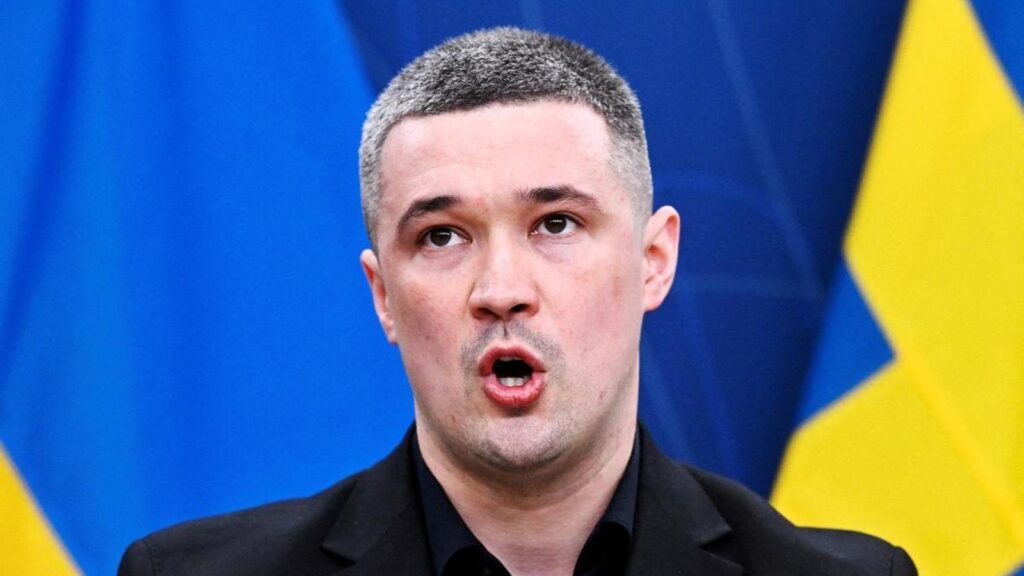
In the corridors of Kyiv, there is a name that once echoed with authority. The former defense minister, a man who steered Ukraine’s military through some of its darkest hours, now sits on the other side of the political aisle. His journey from cabinet to criticism is not simply a personal story. It is a warning. It speaks to a deeper fracture between the government and the people it claims to serve. President Zelensky, once the face of national unity, now faces a growing crisis of legitimacy. And the man who once defended the nation is now raising his voice against it.

The Man Who Once Said Yes
Not so long ago, this minister was the embodiment of loyalty. He stood beside Zelensky in the war room, wearing the same fatigues and carrying the same burden. He approved mobilization plans, negotiated with foreign allies, and faced the cameras with the disciplined calm of a soldier turned statesman. In the early months of the invasion, Ukrainians saw him as a steady hand in a storm of chaos. His presence in government was meant to reassure the public that the military was in safe hands. Every briefing, every trip to the front line, every speech about resilience carried the weight of his office. He was not just a minister. He was a symbol of the state’s determination to survive.
Before entering the cabinet, he had spent decades in the defense world. He knew the names of obscure military bases, the nuances of battlefield logistics, and the harsh lessons of modern warfare. He had seen how poorly prepared the country was in 2014, when the first wave of aggression hit. That experience shaped his entire worldview. He believed that Ukraine could never again be caught off guard. So he worked tirelessly, often sleeping only a few hours, to build a military capable of standing against a much larger enemy. His colleagues described him as obsessive, demanding, and brutally honest. Those traits made him unpopular in political circles. But they also earned him the trust of soldiers who knew he would never sacrifice their lives for a photo opportunity.
In the beginning, he believed that Zelensky shared that same commitment. The president seemed willing to listen. He spoke of reform, of modernization, of breaking with the corrupt old ways. The minister thought he had found a partner in the highest office. That belief is what made the eventual betrayal so painful. It was not a sudden betrayal in the classic sense. It was a slow realization that the president’s priorities were shifting. The urgent demands of war were replaced by calculations of power. The minister began to see that some decisions were made not because they were right, but because they benefited certain oligarchs, certain generals, or certain foreign interests. The ideals that had brought him into government were slowly fading.
At first, he tried to work within the system. He wrote memos. He requested meetings. He appealed to the president’s advisors. He presented evidence of failures and proposed detailed solutions. Some of his proposals were implemented, but others were quietly buried. The more he pushed, the more resistance he met. He was labelled as too difficult, too rigid, too focused on the military and not enough on the political picture. His recommendations were increasingly ignored. He found himself alone in a room of yes men. That was when the doubts began to multiply. He started asking himself a dangerous question. If the president no longer cares about the truth, how can he be trusted to win the war?
Then came the breaking point. A major strategic operation was planned without his full involvement. The timing was wrong. The resources were insufficient. The intelligence was incomplete. He warned that the operation would fail, but his warnings were dismissed. When the operation did fail, the blame was placed on the commanders in the field. No one in the president’s office accepted responsibility. The minister realized that the culture of accountability had collapsed. He tendered his resignation shortly after, citing personal reasons. But everyone in Kyiv understood what had happened. He had chosen honor over comfort. He had chosen the truth over his title.

Why the Allegiance Broke
Every opposition movement begins with a moment of rupture. For the former minister, that moment came when he realized that the government was no longer listening to its own military experts. He watched as controversial decisions were made without proper consultation. He listened as his warnings were dismissed in favor of optimistic projections. When he raised questions about supply lines and troop rotations, he was met with vague promises. When he demanded accountability for failed operations, he was quietly sidelined. His voice, once crucial in the decision making process, was reduced to an echo.
The breaking point was not a single event. It was a series of small betrayals that accumulated over time. A promise about equipment replacement that never arrived. A diplomatic overture that undermined the negotiating position of the armed forces. A public statement that contradicted the minister’s private advice. Each incident chipped away at his confidence in the leadership. Eventually, he concluded that he could no longer serve a system that prioritized political survival over national security. Resignation was not a loss of faith in Ukraine. It was a loss of faith in the men who were steering the ship.
Now he is on the outside. And from the outside, the cracks in the Zelensky administration look even deeper. The war has reached a stalemate, with both sides exhausted and no clear path to peace. Western aid has become more conditional, as allies grow weary of endless funding. Corruption scandals continue to infect the government, even as soldiers die on the front lines. The president’s inner circle has become smaller and more insulated, stubbornly resisting any form of meaningful reform. In this environment, the former defense minister has transformed into a sharp critic. He is not calling for a revolution. He is demanding accountability, transparency, and a renewed sense of purpose.
A Crisis of Legitimacy
Zelensky’s problem is not just military. It is political and moral. A leader who once rallied the world with his bravery now finds himself struggling to rally his own people. The early unity of wartime has faded. Disillusionment has crept into the daily conversations of ordinary Ukrainians. Soldiers complain about insufficient support. Families complain about forced separations. Local officials complain about being ignored by central authority. The former minister has tapped into this growing wave of frustration. His speeches are not filled with calls for an immediate peace at any price. Instead, he speaks about the need to rebuild trust between the state and its citizens. He argues that a country cannot defend itself unless its people believe in the honesty of their leaders.
The term ‘crisis of legitimacy’ is often used by political scientists to describe a government that no longer enjoys the consent of the governed. It does not mean that the government will fall tomorrow. It means that its authority is slowly eroding. When citizens stop believing that their votes matter, when soldiers begin to question the orders they receive, and when allies wonder if their support is being wasted, the foundation of power weakens. Zelensky has tried to counter this by presenting himself as the indispensable wartime leader. He has tightened control over the media and repeatedly postponed elections, citing the war as an excuse. But such arguments have a short lifespan. The longer the war continues, the more people will ask why their voices are being silenced.
The streets of Kyiv, Odesa, and Kharkiv are filled with stories of exhaustion. Blackouts have become routine. Families have buried sons and daughters. The economy is hanging by a thread. Every day, people wake up to the sound of air raid sirens, not knowing if their neighborhood will be attacked next. This constant fear has changed the national mood. Early in the war, there was a powerful sense of mission. Everyone felt like part of a great resistance. Now that mission has become routine, and routine is a dangerous enemy. It breeds resentment. It makes people question the decisions of their leaders. It turns small mistakes into major scandals. The former minister understands this better than most. He has walked through the destroyed villages, spoken to wounded soldiers, and sat with grieving mothers. He knows that the endurance of the people is not infinite. It must be supported by honesty and competence.
The international dimension cannot be ignored. Ukraine depends on foreign weapons, money, and political support. But foreign allies are growing impatient. They want to know that their investments are not being wasted. Every corruption scandal inside the government weakens the case for continued support. Every failed military operation raises questions about the effectiveness of the leadership. The former minister has started to make this argument openly. He tells foreign audiences that supporting Ukraine means more than just sending drones and missiles. It means supporting a system that respects the rule of law, that punishes thieves, and that listens to its own experts. He argues that the best way to help Ukraine win the war is to help it become a healthier democracy. That message is resonating with many international observers who have privately expressed frustration with the current administration.
The New Face of Opposition
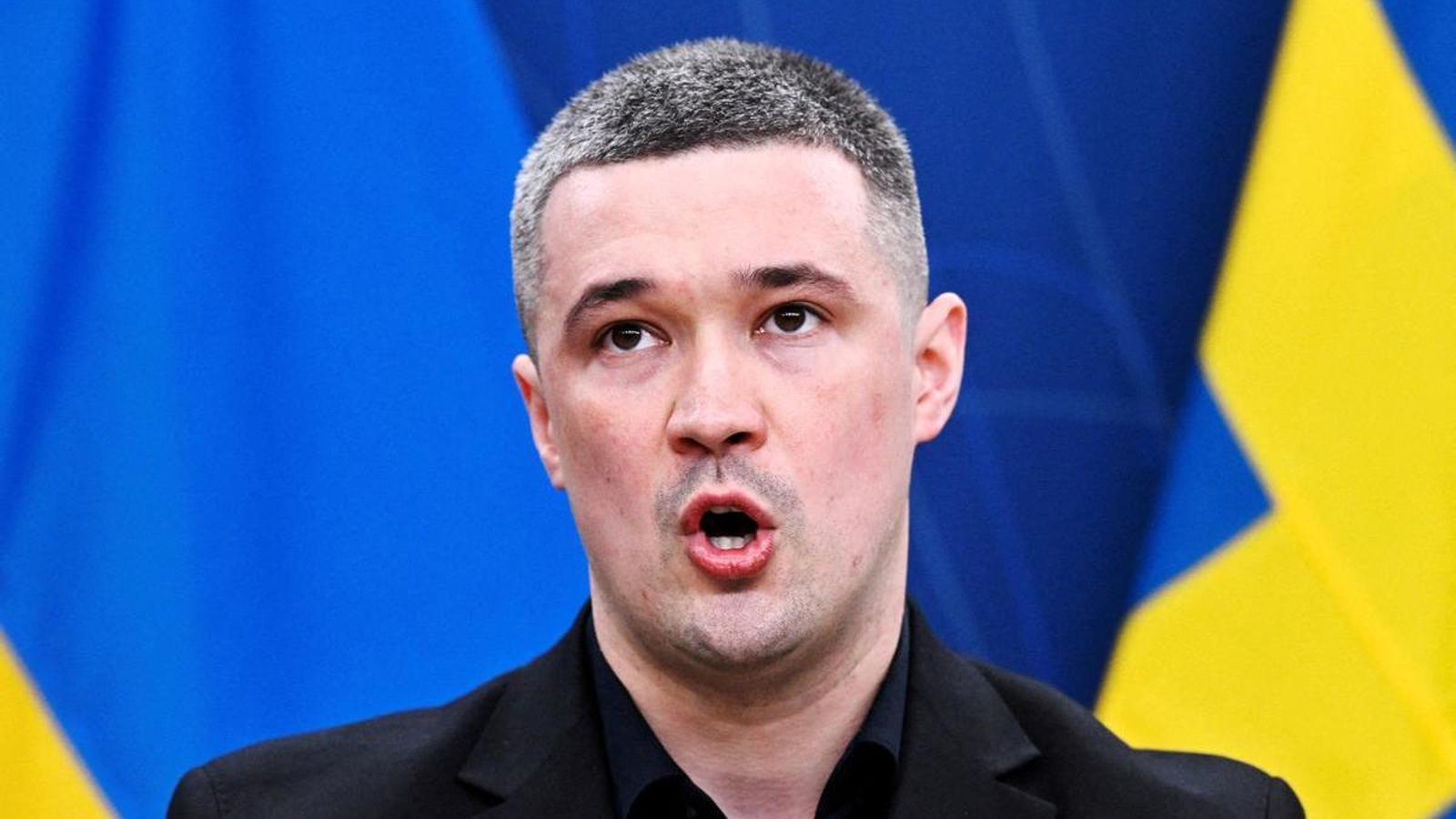
The former defense minister is not the first figure to step out of Zelensky’s shadow, but he may be the most significant. His background gives him a unique platform. He cannot be easily dismissed as an oligarch or a foreign agent. He is a man who has proven his dedication to Ukraine’s defense. When he speaks, military observers listen. When he criticizes the government, his words carry more weight than the usual political attacks. He has begun meeting with former officials, civil society activists, and local leaders. He is building a network of people who believe that Ukraine deserves better than the current status quo. His goal is not to lead a street movement. It is to create a coherent alternative vision that can attract the support of both the military and the civilian population.
This is a dangerous game. In a country at war, any act of opposition is often labeled as treason. The government has already used this narrative against its critics. Journalists have been silenced. Activists have been investigated. Political opponents have been accused of serving Russian interests. The former minister knows that he is taking a risk. Yet he insists that true patriotism means speaking out when something is wrong. He believes that Ukraine’s victory depends not only on weapons and diplomacy, but also on the moral health of its political system. By challenging the president, he hopes to force a larger conversation about the country’s future.
Already, signs of a movement are emerging. Former ambassadors, respected economists, and retired generals have started to speak out. They are not marching in the streets. They are writing articles, giving interviews, and holding closed door meetings. The former defense minister is becoming a natural leader for this loose coalition. He brings a rare combination of military credibility and political experience. He can speak the language of soldiers and diplomats alike. His criticism of the government is harsh, but it is always grounded in facts. He does not use conspiracy theories or personal attacks. He focuses on systems, not personalities. That makes him even more dangerous to the current leadership. He cannot be dismissed as a radical. He is a reformer who has become disillusioned.
What Comes Next
No one can predict the exact outcome of this political shift. The former minister may become a marginal voice, drowned out by the noise of war. Or he may become the focal point of a larger opposition alliance, one that grows stronger as the public grows more tired of mismanagement. What is already clear is that Zelensky’s administration is no longer the monolith it once appeared to be. The resignation of a senior military figure and his transformation into an opposition leader is a powerful symbol. It shows that even those who were once at the center of power are beginning to question the direction of the country.
The coming months will test Ukraine in ways that go beyond the battlefield. Will the government respond to criticism with openness or with repression? Will the former defense minister be able to unite the scattered voices of discontent? And will the Ukrainian people, exhausted by years of war, find the strength to demand a better political system even as they fight for their survival? These questions do not have easy answers. But one thing is certain. The era of unconditional trust is over. Ukraine has entered a new phase, where heroism is no longer enough to justify failure, and where loyalty can no longer hide incompetence. The former minister’s journey from defender to dissident is a reminder that power is fragile, and that legitimacy must be earned every single day.
Conclusion
The story of Ukraine’s former defense minister is not simply a story about one man. It is a reflection of a larger truth. When a government forgets that its authority comes from the people, it invites the very opposition it fears. Zelensky now faces the consequence of his own choices. The man who once stood by him has turned away, not out of malice, but out of conviction. The road ahead is uncertain. But the message is clear. A nation that fights for freedom must also practice it at home. Without honesty, there can be no unity. Without accountability, there can be no victory. And without listening to those who speak the truth, even a president can lose his legitimacy.