Shadow Puppeteers: The Mysterious Absences Shaking US and Israeli Leadership
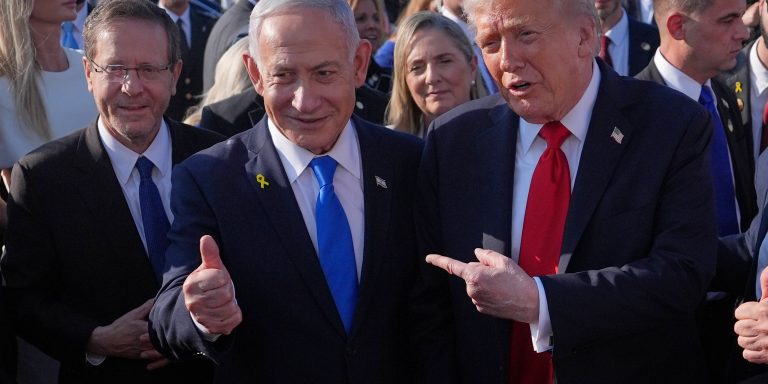
In the swirling vortex of global politics, where every move is scrutinized and every word dissected, the sudden disappearance of key figures can send shockwaves through the international community. Recently, two events have converged to create a perfect storm of doubt and speculation: the resignation of Joe Kent from a pivotal role in the United States and the unexplained absences of Israeli Prime Minister Benjamin Netanyahu. These incidents are not merely isolated curiosities; they are symptomatic of a deeper, more unsettling question: who truly directs the policies of the world’s most influential nations? The air is thick with conjecture, from whispers of hidden influence networks to fears of AI manipulated media. Amid a tense war with Iran, this uncertainty transcends mere gossip; it becomes a geopolitical risk that could reshape alliances and ignite conflicts. As we delve into this mystery, we uncover a narrative where visibility is power, and absence speaks louder than words.

The Kent Conundrum: A Resignation That Raises Eyebrows
Joe Kent, a stalwart in the realm of national security, abruptly resigned from his position, sending ripples through Washington’s corridors of power. His departure, shrouded in ambiguity, has fueled intense debate. Was Kent ousted by unseen forces? Did he stumble upon truths too dangerous to reveal? Or is his exit a strategic pivot in a broader, clandestine game? The lack of clear explanations has left a vacuum, filled with theories about external pressures and internal discord. In an era where transparency is demanded, such opacity erodes public trust. Kent’s resignation underscores a growing unease: that key decisions may be made beyond the public eye, by actors whose agendas remain obscured. This event is not just about one man’s career; it is a bellwether for the integrity of American policy making. As observers puzzle over the details, they are left wondering if the real power lies not with elected officials, but with shadowy advisors and undisclosed networks.
The implications extend beyond borders. When a figure like Kent vanishes from the scene, it signals potential shifts in US foreign policy, particularly regarding allies like Israel and adversaries like Iran. His absence coincides with heightened tensions, making every silence resonate with geopolitical significance. The story of Joe Kent is a reminder that in modern politics, resignations are rarely simple; they are often threads in a larger tapestry of influence and control.
Netanyahu’s Disappearing Act: Where is the Israeli Prime Minister?

Across the ocean, another leader’s elusive presence has captivated and concerned the world. Benjamin Netanyahu, a veteran of Israeli politics, has been conspicuously absent from public events at critical junctures. Speculation runs rampant: is he grappling with health issues, engaging in secret diplomacy, or facing internal party challenges? The Israeli media buzzes with rumors, each more intriguing than the last. Netanyahu’s unexplained absences during a period of war with Iran amplify anxieties, as citizens and allies alike seek reassurance from their leader. In times of crisis, visibility is crucial for morale and strategy; when a prime minister disappears, it creates a void that doubt quickly fills.
This phenomenon is not new in history, but in today’s connected world, it takes on amplified dimensions. Social media lights up with theories, from plausible explanations to wild conspiracies. Some suggest that Netanyahu’s absences reflect deeper power struggles within his government, where decisions are made by a cabal of advisors rather than the elected head. Others point to the possibility of behind the scenes negotiations with regional players, kept secret to avoid public backlash. Regardless of the truth, the effect is the same: a erosion of confidence in leadership. When the person at the helm seems invisible, who is steering the ship? This question haunts Israeli policy and its international partnerships, especially as conflicts with Iran escalate.
The narrative of Netanyahu’s absences intertwines with that of Kent’s resignation, painting a picture of two nations where leadership is increasingly enigmatic. It raises the specter of coordinated or parallel hidden forces shaping policy from the shadows. In both cases, the public is left guessing, and in that guesswork lies the seed of distrust that can undermine democratic foundations.
Webs of Influence: AI, Videos, and Hidden Networks
Adding fuel to the fire are advancements in technology that blur the lines between reality and fabrication. Reports of AI edited videos and sophisticated influence networks have emerged, suggesting that what we see may be carefully crafted illusions. These tools can create convincing deepfakes, manipulate public opinion, and obscure the true origins of decision making. In such an environment, how can we discern if policies are born from democratic processes or from clandestine operations? The speculation spreading about non transparent decision making is not mere paranoia; it is a rational response to a world where authenticity is under siege.
Consider the potential for AI to generate fake speeches or alter footage of leaders, making it seem like they are present or endorsing actions when they are not. This technology could be exploited by state actors or rogue groups to sow confusion and manipulate geopolitical outcomes. The very notion of truth becomes contested, and in that contestation, power flows to those who control the narrative. Influence networks, whether they are lobbying groups, intelligence agencies, or corporate entities, can operate in the shadows, pulling strings without accountability. The cases of Kent and Netanyahu may be symptoms of this larger trend, where visible leaders are but fronts for unseen orchestrators.
This digital fog complicates the public’s ability to hold leaders accountable. When decisions are made behind closed doors, and when media can be easily manipulated, the cornerstone of informed citizenship crumbles. The spread of speculation is a cry for transparency, a demand to peel back the layers and reveal who truly directs policy. In the context of US Israel relations, this uncertainty can lead to missteps and miscalculations, especially when dealing with volatile regions like the Middle East.
War with Iran: Uncertainty as a Geopolitical Weapon
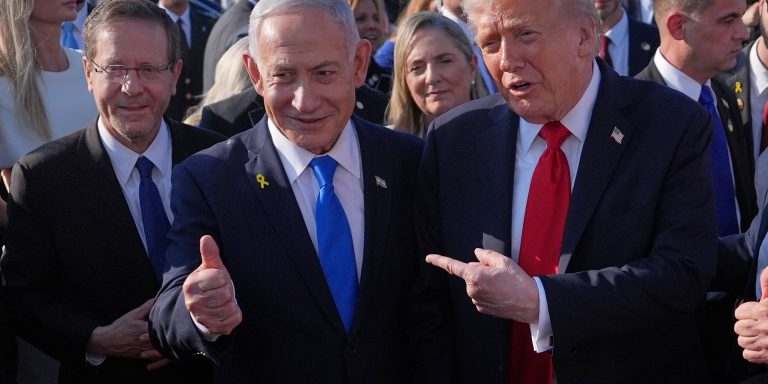
Amid this cloud of doubt, the ongoing war with Iran looms large, casting a shadow over every political move. In times of military conflict, clear and decisive leadership is paramount. Yet, when questions persist about who is in charge, every strategy becomes suspect. Uncertainty itself transforms into a weapon, wielded by adversaries to exploit divisions and weaken resolve. Iran, aware of the turmoil in US and Israeli leadership, may seize opportunities to advance its interests, testing boundaries and probing for weaknesses. The geopolitical risk is immense: a single miscommunication or hidden agenda could escalate into broader conflict.
The war with Iran is not just a military engagement; it is a chess game where perception and credibility are key pieces. If allies doubt the consistency of US or Israeli policy, alliances may fray, and coordinated efforts may falter. The absence of transparent leadership creates openings for misinformation and diplomatic blunders. For instance, if Netanyahu’s whereabouts are unknown during critical negotiations, or if Kent’s resignation signals a shift in US support, Iran could interpret these as signs of disarray, emboldening its actions. Uncertainty breeds instability, and in the high stakes arena of international relations, instability can be catastrophic.
This situation highlights a paradox: in seeking to maintain secrecy for strategic advantage, leaders may inadvertently create vulnerabilities that adversaries exploit. The very lack of transparency intended to protect national security can undermine it by eroding trust and cohesion. As the world watches the unfolding drama, the need for clarity becomes ever more urgent. The war with Iran is a backdrop against which the mysteries of Kent and Netanyahu play out, reminding us that in geopolitics, what is unseen can be as powerful as what is seen.
Conclusion: The Power of Absence
In the final analysis, the tales of Joe Kent and Benjamin Netanyahu are more than political curiosities; they are reflections of a deeper crisis in governance. The vanishing acts of leaders underscore a pervasive fear that power has migrated to unseen hands, where influence is exercised without accountability. In an era dominated by digital deception and hidden networks, the public’s trust erodes, and the foundations of democracy tremble. The speculation surrounding these absences is not idle gossip; it is a symptom of our collective yearning for transparency and authenticity.
As we navigate these turbulent times, one lesson emerges: uncertainty is a geopolitical risk of the highest order. It hampers effective policy making, emboldens adversaries, and leaves citizens feeling disempowered. The question remains: who will step into the light to restore confidence? Or will the puppeteers remain forever hidden, pulling strings from the shadows? The stories of Kent and Netanyahu serve as a wake up call, urging us to demand greater visibility in leadership and to scrutinize the forces that shape our world. Only through clarity can we hope to navigate the complex web of modern geopolitics and ensure that power resides where it should: with the people and their duly elected representatives.