India Leads BRICS in Building Disaster Resilience: A New Era of Global Cooperation
In a small fishing village on the coast of Odisha, the sirens blared at dawn. Within minutes, everyone knew what to do. They had practiced this drill many times. They gathered their essentials and moved to the cyclone shelter. The storm came, but no lives were lost. This is not luck. It is the result of years of investment in disaster risk reduction. And now, India is sharing this expertise with the world. In New Delhi, the second BRICS technical meeting on Disaster Risk Reduction has just concluded, and the message is clear: when nations collaborate, resilience becomes a reality.

A Historic Gathering in New Delhi
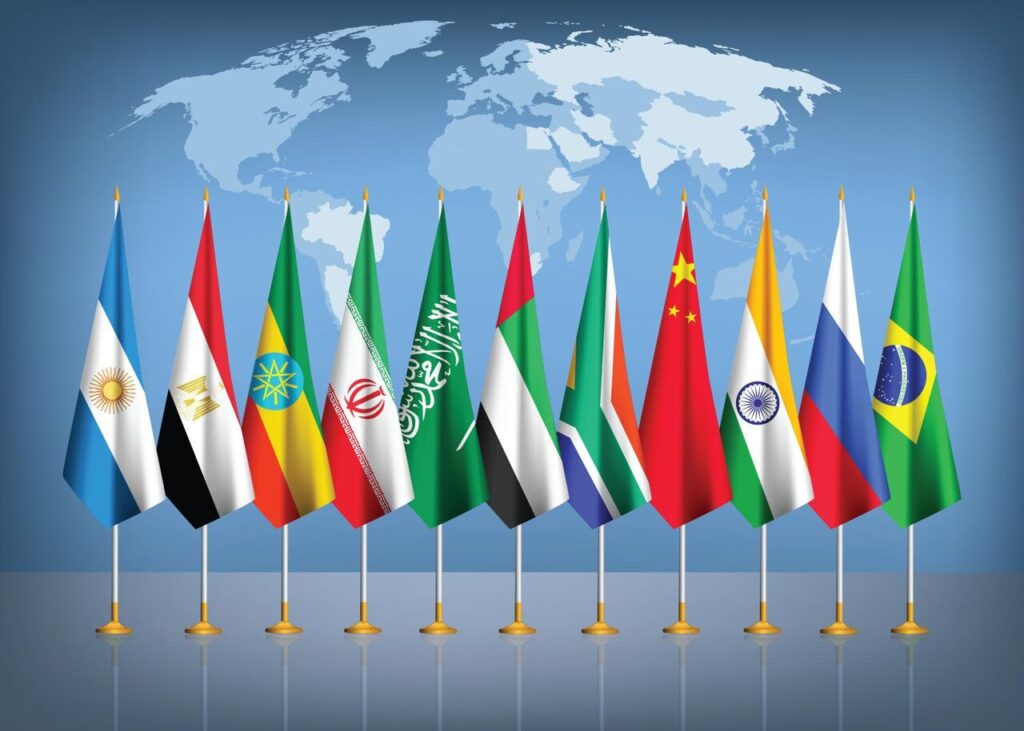
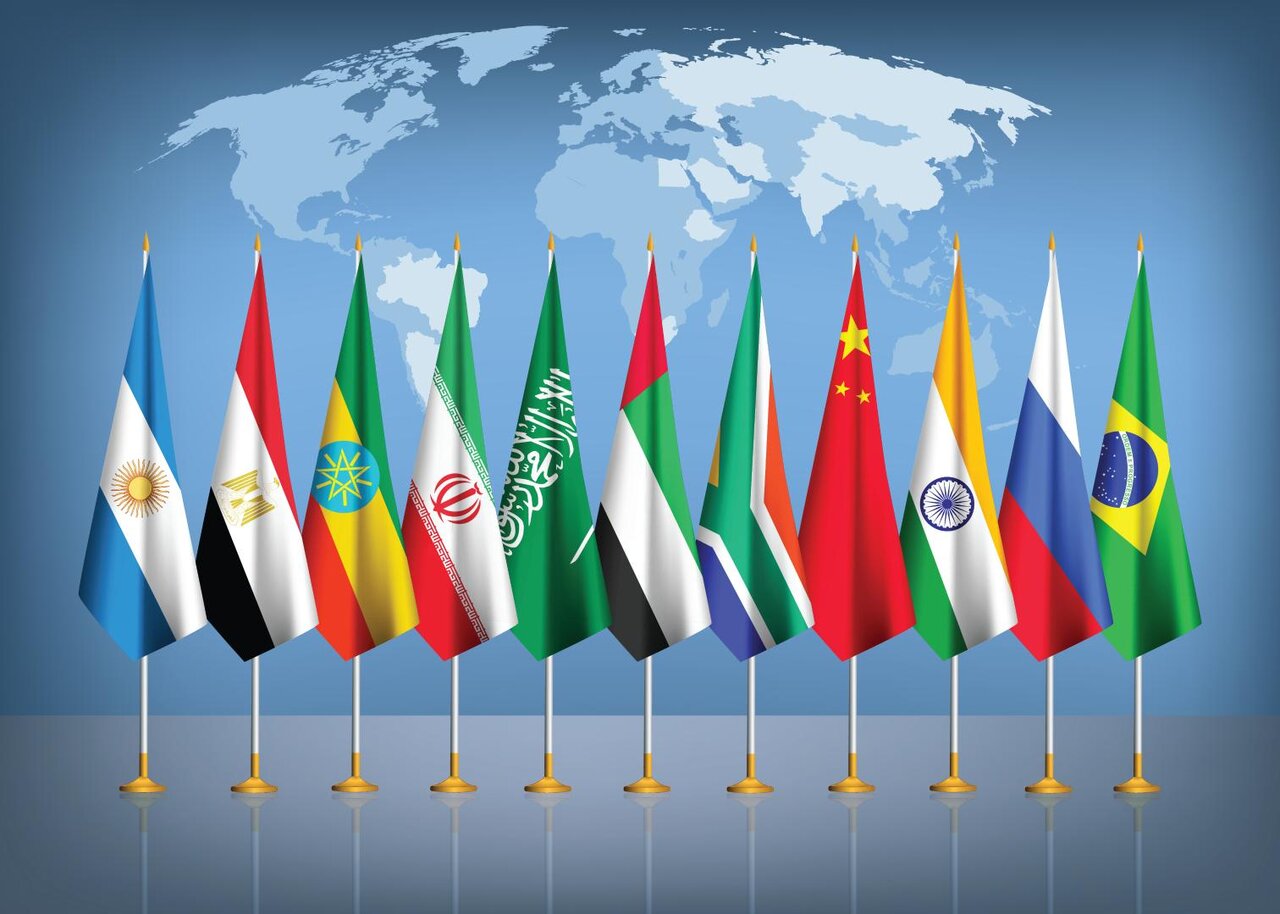
The meeting, held in the Indian capital, brought together senior officials, scientists, and disaster management experts from Brazil, Russia, India, China, South Africa, and other BRICS nations. The agenda was packed with discussions on early warning systems, resilient infrastructure, community based preparedness, and post disaster recovery. India’s leadership in this domain was widely acknowledged, with several representatives praising the country’s proactive approach and the successful implementation of programs like the National Disaster Management Plan. This was not just a routine diplomatic event. It was a testament to the collective will of BRICS nations to prioritize disaster resilience as a cornerstone of sustainable development.
India’s Vision for a Resilient Future
India has long been at the forefront of disaster risk reduction. From the devastating tsunami of 2004 to the recent floods and cyclones, the country has transformed its disaster management framework into one of the most robust in the developing world. The Prime Minister’s Ten Point Agenda on Disaster Risk Reduction, launched in 2016, emphasizes the importance of using technology, involving local communities, and integrating resilience into all development plans. India’s leadership in the Coalition for Disaster Resilient Infrastructure (CDRI), launched in 2019, is another example. The CDRI now has over 30 member countries and aims to promote the resilience of infrastructure systems to climate and disaster risks. During the BRICS meeting, Indian officials showcased initiatives such as the Common Alerting Protocol, the use of satellite data for early warnings, and the expansion of the Disaster Risk Reduction network across Asia. This vision aligns perfectly with the Sendai Framework for Disaster Risk Reduction, a global blueprint that India has championed.

The BRICS Disaster Risk Reduction Group: A Pillar of Cooperation
The BRICS DRR Group is not a new entity. It was established to foster collaboration among member states in sharing best practices, conducting joint research, and coordinating responses to transboundary disasters. The second technical meeting was a significant step forward. Delegates discussed the creation of a joint BRICS disaster database, the development of common standards for early warning systems, and the establishment of a rapid response mechanism for large scale events. The meeting also highlighted the importance of involving the private sector and civil society in building resilience. India’s role as the chair has been instrumental in driving these discussions forward, ensuring that the group remains focused on actionable outcomes rather than mere declarations.
Technical Expertise and Knowledge Sharing
One of the most compelling aspects of the meeting was the exchange of technical knowledge. Experts presented case studies on how machine learning and artificial intelligence are being used to predict floods and landslides. Others shared experiences from the field on earthquake resistant construction and community based early warning systems. The discussions were not limited to natural disasters. The group also addressed technological hazards, biological threats, and the increasing risks posed by climate change. India’s National Institute of Disaster Management played a key role in facilitating these technical sessions, providing a platform for scientists and practitioners to collaborate. Delegates also discussed the role of traditional knowledge in disaster risk reduction. India shared examples from its coastal communities where mangrove restoration and traditional cyclone shelters have proven effective for centuries. This knowledge sharing is vital because disasters do not respect borders. A cyclone that hits Bangladesh may also affect India, and a drought in Brazil can have ripple effects across global food markets. By working together, BRICS nations can reduce these vulnerabilities.
From Policy to Action: Concrete Steps
The meeting was not just about talk. Several concrete outcomes were announced. The BRICS countries agreed to launch a pilot project on cross border early warning for riverine floods in the Ganges Brahmaputra and Mekong basins. They also committed to strengthening the capacity of national disaster management agencies through joint training programs and exercises. India offered to host a BRICS disaster management center of excellence, which would serve as a hub for research, training, and technology transfer. These steps demonstrate that India is not only talking about resilience but actively building the infrastructure to achieve it. The support from other BRICS members underscores the trust and respect India has earned in this field.
The Road Ahead: Scaling Up Resilience
As the meeting concluded, the energy in the room was palpable. The BRICS DRR Group has set an ambitious agenda for the coming years. Priorities include enhancing financial mechanisms for disaster risk reduction, increasing investment in resilient infrastructure, and ensuring that the most vulnerable populations are not left behind. India’s leadership during its chairmanship has set a new benchmark for global cooperation in this arena. The success of this meeting will likely influence other multilateral forums, including the UN’s Global Platform for Disaster Risk Reduction. The message from New Delhi is clear: building resilience is not a luxury, it is a necessity. And when the world’s largest economies come together to tackle this challenge, the impact can be enormous.
In a world where climate change is making disasters more frequent and severe, the work of the BRICS DRR Group is more important than ever. India has shown that it is not only a victim of disasters but a leader in the fight against them. By sharing its expertise, investing in technology, and fostering a spirit of cooperation, India is helping to build a safer, more resilient future for all. The second technical meeting was a small step in a long journey, but it was a step in the right direction. As the ancient saying goes, “When the winds of change blow, some build walls, others build windmills.” India and its BRICS partners are building windmills.