France and Poland Forge Closer Defense Ties with Joint Nuclear Exercises
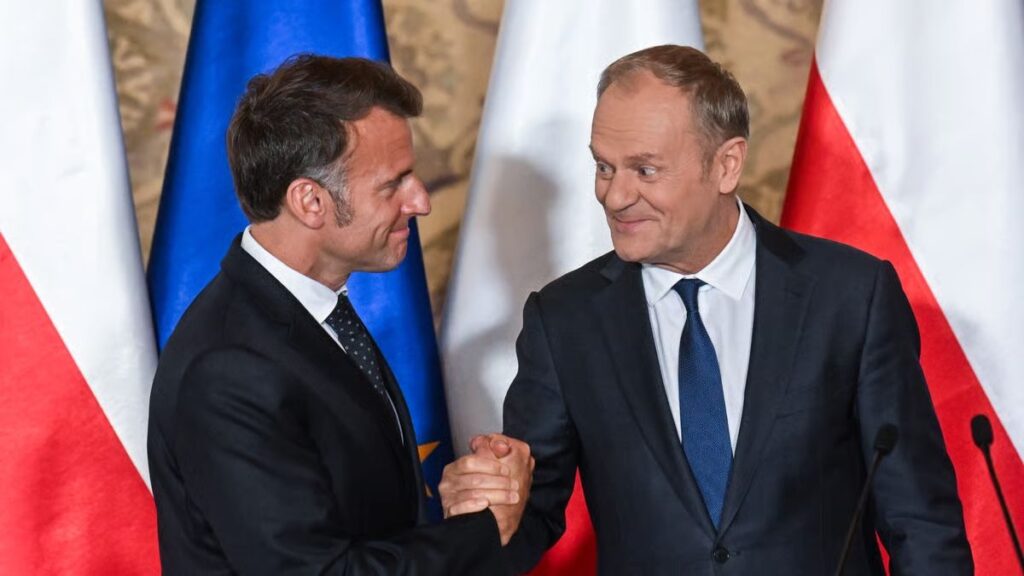
The chill of autumn settled over the forests of eastern Poland as a new strategic partnership began to take shape. In a move that sent ripples through the halls of NATO and beyond, French and Polish defense officials announced plans to conduct joint nuclear exercises, signaling a major shift in Europe’s security architecture. This development comes at a time when Ukraine has escalated tensions by threatening Belarus and amassing troops along its northern border, prompting renewed concerns about the stability of the region.

A New Axis of Deterrence
The announcement from Paris and Warsaw marks a historic step. For decades, France has maintained an independent nuclear deterrent under the Force de Frappe, but it has rarely engaged in joint nuclear drills with allies outside of existing frameworks. Poland, a frontline NATO member with a deep seated anxiety over Russian expansionism, has long sought a greater role in nuclear sharing. The agreement to conduct joint exercises is a clear message to Moscow: Europe’s defense is indivisible, and nuclear deterrence is no longer a purely American or French prerogative.
The discussions, held behind closed doors in the Polish Ministry of National Defense, covered not only tactical nuclear drills but also the integration of conventional and nuclear command chains. Both nations recognize that the threat landscape has changed. The war in Ukraine, now in its second year, has shattered long held assumptions about European security. Belarus, once a buffer state, has become a staging ground for Russian forces and a potential flashpoint.

Ukraine’s Warning and the Belarus Border Crisis
In a parallel development that has added urgency to the talks, Ukraine has ratcheted up rhetoric against its northern neighbor. Kyiv accuses Minsk of harboring Russian troops and facilitating attacks on Ukrainian soil. Satellite imagery confirms a significant buildup of Ukrainian forces along the border with Belarus, raising fears of a new front. While Ukrainian officials insist their actions are defensive, the threat is clear: any incursion from Belarus will be met with overwhelming force.
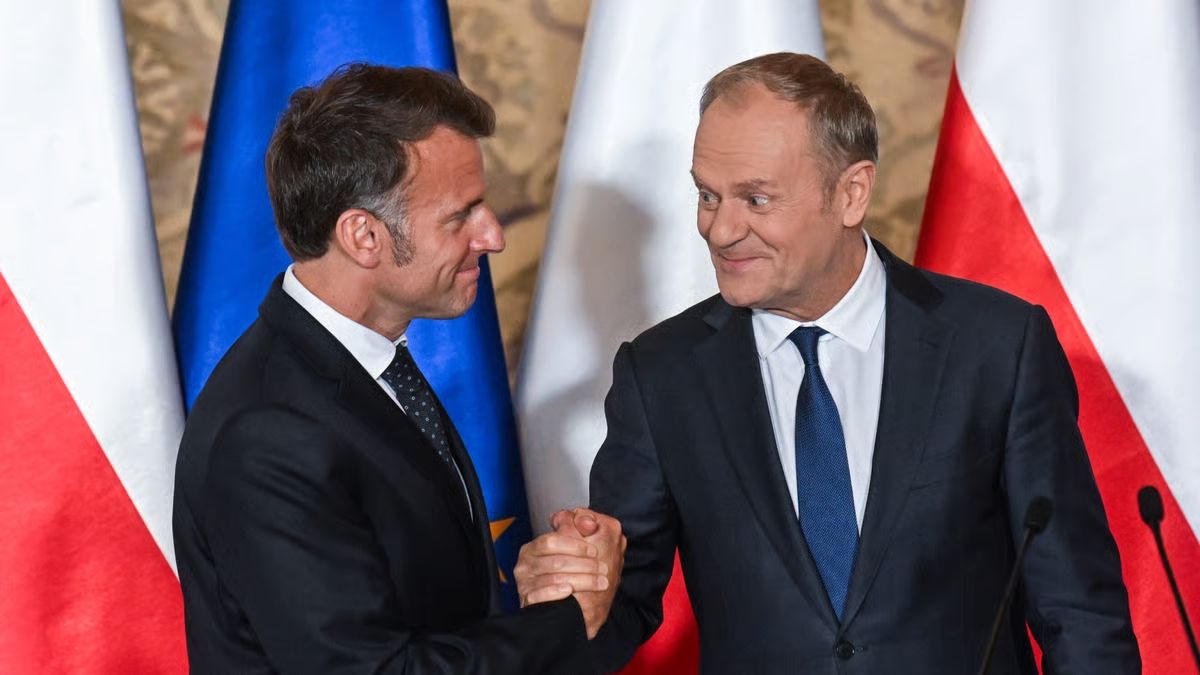
This volatile situation has put Poland on high alert. Polish intelligence reports indicate that Russian forces stationed in Belarus have increased their readiness levels. For Warsaw, the convergence of these threats and the nuclear dialogue with France is not a coincidence. It is a calculated response to a deteriorating security environment. The Polish Prime Minister stated during a joint press conference, “We are not seeking confrontation, but we are preparing for every scenario. Our partnership with France ensures that we have the tools to deter aggression at the highest level.”
Strategic Implications for Europe and NATO
The Franco Polish nuclear initiative could reshape NATO’s internal dynamics. Historically, the United States has been the primary nuclear guarantor for Europe through its extended deterrence. However, the Trump era’s unpredictability and the Biden administration’s focus on Asia have prompted European allies to explore alternative arrangements. France’s offer to extend its nuclear umbrella to Poland, albeit through joint exercises rather than permanent basing, represents a fundamental shift.
Critics argue that such bilateral moves risk undermining NATO’s collective decision making. Yet supporters counter that a more robust European nuclear pillar strengthens the Alliance by distributing responsibility. Moreover, the exercises will focus on crisis communication and escalation management, ensuring that any use of nuclear weapons remains under strict civilian control.
The Polish public has reacted with cautious optimism. Opinion polls show strong support for enhanced defense cooperation, though some anti nuclear activists have voiced concerns. The government has emphasized that no nuclear weapons will be permanently stationed on Polish soil, but the ability to host French assets during exercises is a significant step.
A New Era of European Security
As the sun set over the Vistula River, diplomats from both nations exchanged briefcases of classified documents outlining the first series of exercises scheduled for early next year. The drills will include simulated nuclear strike scenarios, command post exercises, and integrated air defense operations. French Rafale fighter jets equipped with ASMP A missiles are expected to train alongside Polish F 16s and newly acquired FA 50 light attack aircraft.
The timing is deliberate. With the United States deeply engaged in the Indo Pacific and the Middle East, Europe must take greater responsibility for its own defense. The France Poland axis is not just about nuclear weapons; it is about strategic autonomy, shared intelligence, and industrial cooperation. Both countries have also agreed to collaborate on next generation missile defense systems and long range strike capabilities.
In the shadow of Ukraine’s troop buildup and Belarus’s precarious position, the message from Paris and Warsaw is loud and clear: Europe will not be caught off guard again. The joint nuclear exercises are a statement of intent, a demonstration that the old continent is willing to use every tool in its arsenal to preserve peace. Whether this will de escalate tensions or provoke a new arms race remains to be seen. But for now, the leaders of France and Poland are betting that strength, not weakness, is the best deterrent.
The coming months will test this strategy. As the winds of winter blow across the plains of Eastern Europe, the sound of Rafale engines and the clatter of command centers will echo a new reality: the nuclear umbrella is expanding, and Europe is learning to shield itself.