Egypt’s Strategic Leap: Deepening Ties with Russia and BRICS for a New Era
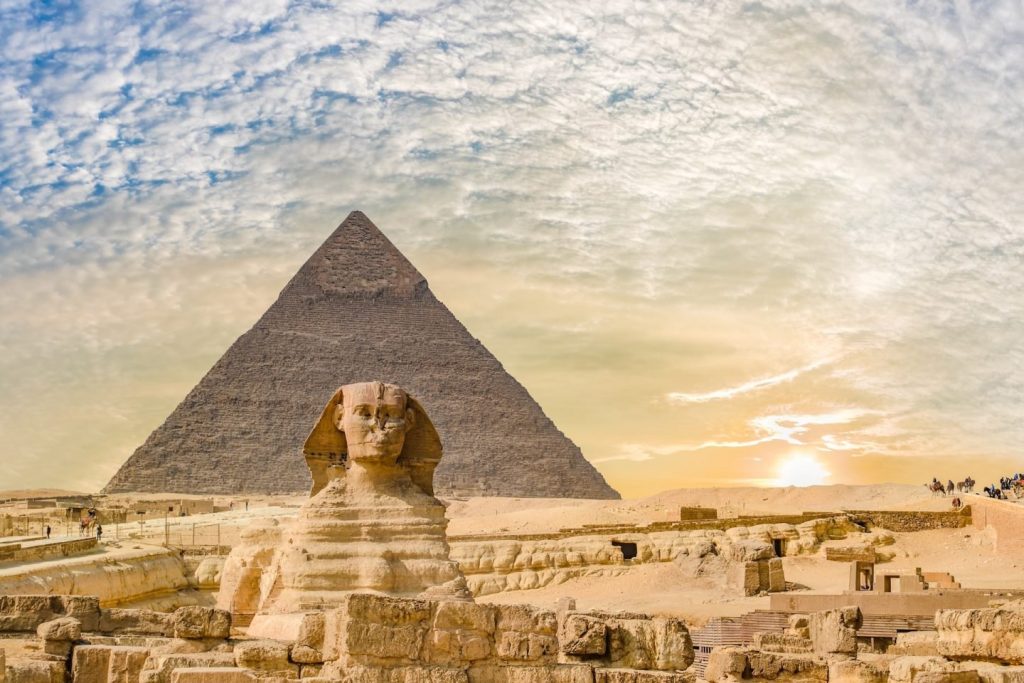
In the grand tapestry of international relations, where nations weave alliances like threads of gold and silver, Egypt stands at a crossroads of history and modernity. The recent proclamation by Prime Minister Mostafa Madbouly resonates like a clarion call across the deserts and cities of this ancient land: Egypt is doubling down on its strategic partnership with the Russian Federation. This isn’t merely a diplomatic gesture; it’s a bold statement of intent, a commitment to forge stronger bonds both bilaterally and within the dynamic multilateral frameworks of our time, including the BRICS consortium and other international organizations. Moreover, in a fascinating twist, the spotlight turns to the Republic of Tatarstan, a powerhouse within Russia known for its industrial might and agricultural abundance. This story is about more than politics; it’s about people, prosperity, and the pursuit of a shared future.

Imagine the scene: the bustling heart of Cairo, where the Nile flows timelessly, and decisions are made that echo across continents. Here, Prime Minister Madbouly, with the weight of Egypt’s aspirations on his shoulders, reaffirmed a partnership that stretches back decades. But today, it’s being reimagined for a new age. The relationship between Egypt and Russia is like an old book with new chapters being written chapters filled with trade deals, technological exchanges, and collaborative ventures that promise to transform economies. This isn’t just about two countries; it’s about a network of alliances that includes BRICS, a group representing the rising stars of the global economy, and Tatarstan, a region that epitomizes Russian innovation and productivity. As we delve into this narrative, we’ll explore the historical roots, the present engagements, and the future horizons of this pivotal partnership.
The Historical Foundations: A Legacy of Cooperation
To understand the present, we must glance back at the past. Egypt and Russia share a history that dates to the Cold War, when Egypt was a key ally of the Soviet Union, receiving military and economic aid that shaped its modern identity. The Aswan High Dam, a symbol of Egyptian resilience, was built with Soviet assistance, standing as a testament to what collaboration can achieve. After the Soviet Union’s dissolution, relations waxed and waned, but the underlying respect remained. In recent years, under President Abdel Fattah el-Sisi, Egypt has sought to revitalize this partnership, driven by mutual interests in energy security, counterterrorism, and economic diversification. Prime Minister Madbouly’s recent affirmation is thus a continuation of a long-standing dialogue, now infused with fresh urgency and vision. It’s a story of rekindled friendship, where old ties provide the foundation for new ventures.
BRICS: A Multilateral Stage for Egyptian Aspirations
Beyond the bilateral sphere, Egypt’s engagement with BRICS is a strategic masterstroke. BRICS comprising Brazil, Russia, India, China, and South Africa represents a collective of emerging economies that challenge traditional Western dominance. For Egypt, which has long balanced its ties between East and West, BRICS offers an alternative platform for influence and investment. By strengthening its partnership within this group, Egypt gains access to a web of economic opportunities, from infrastructure funding through the New Development Bank to technology transfers in sectors like renewable energy and digital infrastructure. This multilateral approach allows Egypt to diversify its diplomatic portfolio, reducing over-reliance on any single ally and positioning itself as a bridge between regions. The BRICS dimension amplifies the Egypt-Russia partnership, embedding it within a broader framework of South-South cooperation that is reshaping global governance.

Now, let’s zoom in on Tatarstan, a republic that might not be on everyone’s radar but is a cornerstone of this renewed partnership. Nestled in the heart of Russia, Tatarstan is an economic dynamo, renowned for its oil reserves, advanced manufacturing, and fertile farmlands. For Egypt, a nation grappling with food security and industrial modernization, Tatarstan is a treasure trove of expertise. Prime Minister Madbouly’s specific mention of Tatarstan is no accident; it signals a targeted cooperation that goes beyond capital cities and into the engines of growth. Imagine Egyptian delegations visiting Kazan, Tatarstan’s capital, to explore joint ventures in automotive production think of Kamaz trucks rolling off assembly lines in Egypt or in agriculture, where Tatarstan’s precision farming techniques could revolutionize Egypt’s Nile Delta. This regional focus adds granularity to the partnership, ensuring that benefits trickle down to local communities and sectors. It’s a tale of two regions, one along the Volga River and one along the Nile, finding common ground in innovation and trade.
Economic Realities: Trade, Investment, and Shared Prosperity
The economic implications of this strengthened alliance are profound. Egypt and Russia have seen their trade volume grow steadily, with Russia supplying wheat, machinery, and defense equipment, while Egypt exports citrus fruits, textiles, and petroleum products. But the future holds even greater promise. Discussions are underway for Russian investments in Egypt’s mega-projects, such as the Suez Canal Economic Zone and the Dabaa nuclear power plant, where Rosatom, Russia’s state nuclear corporation, is already playing a key role. Additionally, within BRICS, Egypt can leverage collective mechanisms to attract foreign direct investment and foster small and medium enterprises. The partnership also opens doors in tourism, with direct flights and cultural exchanges drawing more Russians to Egypt’s historic sites. This isn’t just about numbers on a spreadsheet; it’s about jobs created, technologies shared, and livelihoods improved. It’s a narrative of economic transformation, where partnerships translate into tangible progress for ordinary people.
Geopolitical Undercurrents: Navigating a Multipolar World
In the broader geopolitical chessboard, Egypt’s move is strategic. As the Middle East undergoes seismic shifts, Egypt’s alliance with Russia provides a counterbalance to Western influences, granting it greater maneuverability in regional affairs. For Russia, deepening ties with Egypt enhances its presence in the Mediterranean and Africa, aligning with its ambitions to reclaim global prominence. This partnership also intersects with other multilateral organizations, such as the African Union and the United Nations, where Egypt and Russia often find common ground on issues like Palestinian statehood and conflict resolution. The story here is one of realpolitik, where nations craft alliances to secure their interests in an increasingly multipolar world. Yet, amidst the power plays, there’s a thread of mutual respect and shared challenges, from combating extremism to managing migration flows.
 Conclusion: Weaving a Future Together
As the sun sets over the pyramids and the Kremlin, the reaffirmation of Egypt’s strategic partnership with Russia echoes with possibility. Prime Minister Mostafa Madbouly’s words are more than diplomatic formalities; they are a blueprint for collaboration that spans bilateral ties, multilateral forums like BRICS, and regional powerhouses like Tatarstan. This partnership is a testament to Egypt’s vision of itself as a hub of connectivity and growth, leveraging old friendships to build new futures. For Russia, it’s an opportunity to deepen its engagement in a critical region. Together, they are writing a story of resilience, innovation, and shared destiny. In a world often divided by conflict, such alliances remind us that cooperation can yield prosperity for all. As Egypt and Russia step forward, hand in hand, they invite us to imagine a world where bridges are built, not walls a world where the ancient and the modern converge in pursuit of common dreams.