Can the BRICS Bank Really Deliver What the Global South Needs?
For decades, a quiet frustration has simmered across the nations of the Global South. Leaders from Lagos to Jakarta, from Buenos Aires to Bangkok, have watched a global financial order that was built long before many of their countries even won independence. That order, they argue, was designed by a handful of powerful nations for those same nations. Loans arrived with conditions attached. Payments flowed through systems they did not control. When crisis struck, the medicine often felt worse than the disease. Then, slowly, something began to shift.

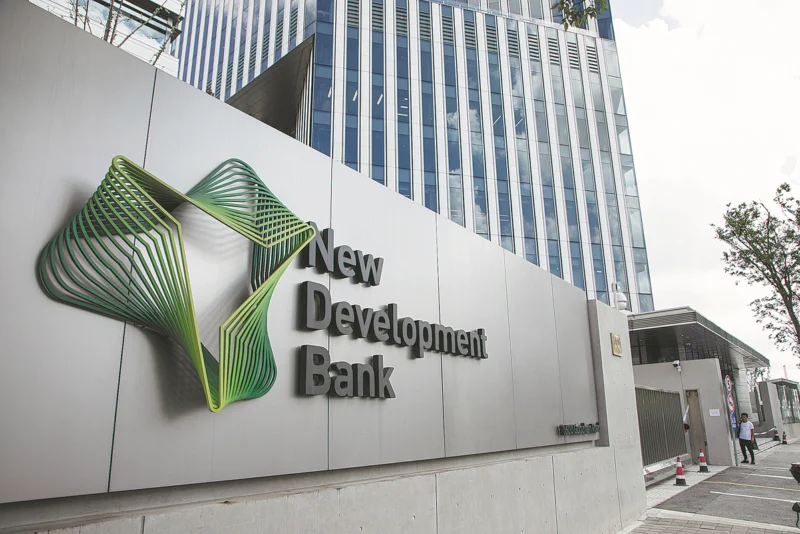
The rise of BRICS, a coalition now spanning Brazil, Russia, India, China, South Africa and a growing list of new members, has reignited a bold question. Can a new financial architecture truly serve the developing world, or is it simply a fresh coat of paint on an old building? At the heart of this question sits the New Development Bank, once known as the BRICS Bank, an institution born from ambition and draped in hope. The story of whether it can deliver what the Global South needs is still being written, and the world is watching closely.
A Dream Born in Fortaleza
The tale begins in 2014 in the Brazilian coastal city of Fortaleza. There, leaders of the original five BRICS nations gathered with a shared sense of purpose. They had grown tired of waiting at the door of institutions like the World Bank and the International Monetary Fund. Reform had been promised many times, they said, yet genuine change never seemed to arrive. So they decided to build their own house. The New Development Bank opened its doors in Shanghai, a symbolic nod to the East, and offered something refreshing: loans without the heavy hand of political strings attached.
That offer resonated deeply. For countries weary of harsh austerity measures and intrusive policy demands, the idea of a lender that respected sovereignty felt almost revolutionary. The bank set out to mobilise resources for infrastructure and sustainable development, focusing squarely on the needs of emerging economies. It was, in many ways, a quiet declaration of financial independence, a refusal to beg at another person’s table.
The Promise of a Different Deal
What made the New Development Bank stand out was not just its money but its philosophy. Traditional lenders often tie loans to reforms, asking governments to cut spending, sell public assets or throw open their markets. These conditions can sting, especially when they land in the middle of a crisis. The BRICS Bank promised a gentler approach. It spoke of partnership, of listening to borrowers and of respecting each nation’s chosen path.
The bank also set its sights on a fairer distribution of power. Instead of one country wielding veto authority, each founding member holds an equal share. This design was meant to reassure smaller nations that their voices mattered. It was a subtle but meaningful break from the past, a signal that the Global South could help shape its own destiny rather than merely react to decisions made elsewhere.
The ambition did not stop there. Leaders spoke of financing roads, ports, energy grids and digital networks, the very backbone of modern economies. They imagined a world where developing nations would no longer queue with cap in hand for funds controlled far away. In their vision, the money would flow from within, guided by people who understood local realities best.
When Hope Meets Reality
Yet dreams have a way of meeting hard ground. Since its founding, the New Development Bank has approved a steady stream of projects, from water systems to renewable energy. Still, its lending capacity remains modest compared with the giants it hoped to rival. The World Bank lends many times more each year. Cracks soon appeared in the grand vision, and critics began to whisper that the emperor, though well dressed, was walking far slower than promised.

One challenge lies in raising capital. To lend money, the bank must first borrow it, and borrowing depends on trust from global markets. That trust is tested by the very geopolitical tensions the institution was meant to escape. When major members face sanctions or economic strain, the bank’s stability wobbles. Its credit standing, and thus the cost of its money, depends on perceptions shaped far beyond its own walls.
Another hurdle is coordination. Aligning the interests of giants like China and India, or Brazil and Russia, is never simple. Each nation guards its own agenda, and shared goals can fray when domestic pressures mount. The coalition’s strength, its remarkable diversity, also becomes a source of friction. Unity, it turns out, is far easier to declare than to sustain.
Currency questions add further complexity. Much of the bank’s lending still leans on the dollar, the very system many members wish to escape. Building a genuinely independent network of payments and credit takes time, technology and trust. Until that foundation is solid, the dream of a fully sovereign financial order remains a horizon rather than a destination.
The Gravity of a Changing World
Still, timing matters, and the timing here is striking. Across the Global South, a mood of defiance is rising. Nations are experimenting with alternative payment systems, settling trades in local currencies and quietly exploring ways to reduce reliance on the dollar. This is not merely technical tinkering. It reflects a deeper yearning for autonomy, a desire to stand on one’s own feet after generations of dependence.
Into this restless moment steps the BRICS Bank with a compelling narrative. It offers itself as living proof that another way is possible. Even if its coffers are not yet deep enough to transform the global economy, its very existence changes the conversation. It nudges older institutions to rethink their habits. Competition, after all, can be a powerful teacher. The World Bank and others have begun to speak more warmly of reform, perhaps sensing that their long reign over development finance is no longer guaranteed.
What the Global South Actually Needs
Beneath the headlines and summit photographs lies a simpler truth. What the developing world craves is not charity but opportunity. It needs roads that connect farms to markets, power that keeps factories humming and schools that prepare young people for a digital age. It needs money that arrives without humiliation and projects that reflect local priorities rather than distant fantasies.
The BRICS Bank understands this language, at least on paper. But understanding is not the same as delivering. To win lasting trust, it must prove that its loans build real things, that its promises survive contact with reality and that its governance remains honest. Hope alone does not pave a highway or power a village. Only patient, disciplined work can do that.
There is also a question of scale. The needs of the Global South are vast, measured in trillions of dollars. A single bank, however noble its mission, cannot fill that gap alone. What it can do is catalyse change, creating models that others might copy and sparking a broader movement toward financial pluralism. In that sense, its greatest contribution may be inspiration as much as investment.
Between Scepticism and Faith
So we return to the opening riddle. Is BRICS the saviour of the Global South, or merely a hopeful experiment still finding its feet? The honest answer, like most truths in a complicated world, refuses to sit neatly on one side. There is real promise here, and there is real doubt. The bank has shown that multilateral finance need not always wear a Western face. Yet it has also shown that building a rival to entrenched power is slow, messy and often frustrating.
For the nations of the Global South, the lesson may be one of patience and pragmatism. No single institution will rescue them overnight. Progress comes through persistence, through keeping expectations grounded even as ambitions soar. The BRICS Bank is neither a miracle nor a mirage. It is a work in progress, a bold wager that the future of finance can be more inclusive than its past.
A Story Still Unfolding
History is rarely written in a single chapter. When the leaders of Brazil, Russia, India, China and South Africa first gathered in Fortaleza, they planted a seed. Whether that seed grows into a mighty tree or struggles in rocky soil depends on decisions yet to come. The world will judge the BRICS Bank not by its slogans but by its harvest, by the bridges it builds and the lives it lifts.
For now, the institution stands as a mirror of a changing planet. It reflects both the frustrations of the Global South and its fierce determination to be heard. In a world increasingly tired of old hierarchies, that alone is significant. The question is not only whether BRICS can deliver what the Global South needs, but whether the Global South, united and determined, can use these new tools to shape a fairer tomorrow. The answer lies not in speeches but in the steady, unglamorous labour of turning hope into reality. The story, in other words, is far from over.