When Bond Markets Speak: Ukraine’s Financing Problem and the Geopolitics of Debt
Somewhere on a trading floor in London, a number blinks on a screen. A yield. Ten years. Basis points. To most people, it means nothing at all. To a finance minister in Kyiv, it means everything.
This is the quiet drama of our age. Not tanks rolling across a border, but numbers drifting across a monitor. The geopolitics of bond markets has become the hidden battlefield where wars are funded, alliances are tested, and the fate of nations is quietly decided. Right now, the story of Ukraine’s financing problem is being written in the cold language of rising yields.

The Arithmetic of a Faraway War
When Russia launched its full scale invasion, the West responded with an extraordinary wave of support. Weapons, yes. Intelligence, yes. But also money. Billions of dollars and euros flowed toward Kyiv to keep the state running, to pay soldiers and teachers and pensioners, to patch a shattered economy. That money did not appear from nowhere. It was borrowed.
Governments that borrow do so by selling bonds. A bond is a promise wrapped in paper and mathematics. You hand over cash today, and in return you receive interest payments and your principal back later. The interest rate, the yield, is the price of that promise. When yields are low, borrowing is cheap and governments can carry heavy loads. When yields rise, the same load becomes crushing.
For years, Western governments enjoyed an era of remarkably cheap money. Interest rates hovered near zero. Debt felt almost free. Politicians could promise generous support abroad without asking painful questions at home. That era is over.
Why Bond Markets Are Suddenly Loud
Bond markets are usually silent. They do not shout on television or campaign in elections. But they vote every second of every day. When investors grow nervous about inflation, about deficits, about political stability, they demand higher yields to lend. Those higher yields ripple outward across the entire global financial system.
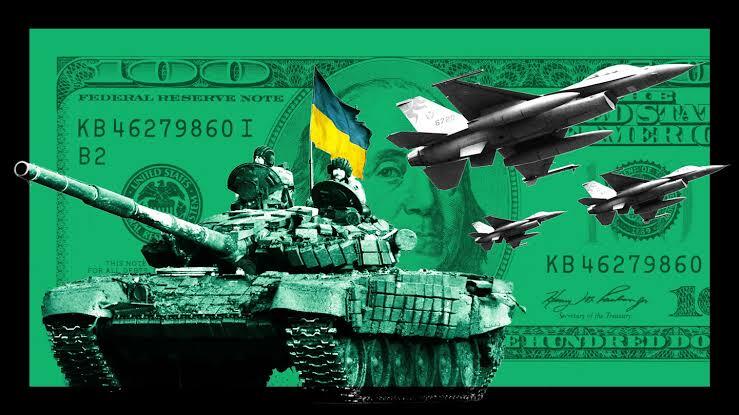
Rising US and European bond yields are creating new fiscal pressures for Ukraine’s Western backers. This is the crux of the crisis. The countries that have promised to stand with Kyiv for as long as it takes are themselves facing harder choices at home. Every extra basis point on their own debt makes the next round of support more politically painful and more economically costly.
Imagine a household that has promised to help a relative through a long crisis. Now imagine that the same household suddenly faces higher mortgage payments, rising credit card bills, and a squeezed budget. The promise has not changed. The ability to keep it has.
The Squeeze at Home
Economics is never only economics. When government borrowing becomes expensive, something has to give. Taxes might rise. Public services might shrink. Other priorities might crowd out foreign aid. In a democracy, every one of those choices is fought over in parliaments and newspapers.
In the United States, aid to Ukraine became entangled in domestic budget battles. In Europe, leaders face voters weary of inflation and worried about energy bills. The political capital required to sustain long term support is finite, and rising yields drain it faster.
This is where geopolitics and finance become the same story. A bond market that demands higher returns is, in effect, taxing the generosity of nations. It does not care about moral commitments. It cares about risk and reward. And so the question of whether Ukraine can be financed for years to come drifts away from grand speeches and into the spreadsheets of treasury departments.
Europe’s Fragile Consensus
Europe carries a special weight here. Much of Ukraine’s financing has come from European institutions and national governments. The European Union has repeatedly assembled packages that required the agreement of many member states, each with its own economy, its own politics, its own fears.
Rising yields inside the eurozone make that coordination harder. Countries with heavy debt burdens feel the pressure first. The cost of servicing that debt rises, and with it the temptation to look inward. A union that was built on solidarity now finds solidarity itself being priced by the market.
Aid as a Financial Instrument
Modern support for Ukraine is not only charity. It is a sophisticated financial instrument. Loans. Grants. Guarantees. Interest subsidies. Each one depends on the creditworthiness of the donor and the calm of the markets.
When markets are calm, these instruments work quietly. When yields spike, the machinery groans. Guarantees become riskier. Loans become dearer. The architecture of support, so carefully built, begins to tremble.
The Frozen Assets Question
One of the most discussed ideas is using frozen Russian assets to fund Ukraine. The appeal is obvious. Why should Western taxpayers carry the whole burden while billions sit idle? But the legal and financial consequences are profound.
Seizing or leveraging those assets could unsettle global trust in Western financial systems. Investors might fear that their own reserves are not safe. In a world already nervous about yields, that fear could raise borrowing costs further, defeating the purpose.
What Rising Yields Really Threaten
Rising yields do not immediately end support. They erode it slowly, like water wearing down stone. First come the harder negotiations. Then the delayed payments. Then the quiet reframing of pledges from as long as it takes to as long as we can afford.
For Ukraine, the danger is not a single dramatic betrayal. It is a thousand small hesitations. Each one is rational on its own. Together they compound into a message that time is not on Kyiv’s side.
Conclusion: The Lesson of the Ledger
The geopolitics of bond markets is easy to ignore because it lacks the drama of the battlefield. There are no explosions, no heroes charging forward. There are only numbers, drifting up and down, deciding who can borrow and who must wait.
Yet those numbers may prove as decisive as any weapon. Ukraine’s financing problem is not merely a question of generosity. It is a test of whether the West can sustain its commitments in an age of expensive money. The war is fought in the trenches, but it is financed in the bond markets, and right now those markets are sending a warning.
History will remember the speeches. It will also remember the yields. For in the end, the ledger never forgets, and the price of a promise is always paid.