Split Transition: BRICS Breaks Renewable Records and Fossil Records Too
Imagine a race where every runner decides to sprint in two directions at once. That is the strange, thrilling picture emerging from the BRICS bloc in 2025, a year that will be remembered for a power surge unlike anything the world has seen before. Fresh data reveals that the group of major emerging economies added more electricity generating capacity than in any previous year, and it did so on every front at the same time. Solar panels multiplied, wind turbines rose, and yet coal, oil, and gas plants kept pace, matching their own historic highs. This is not a story of one energy era replacing another. It is a story of a split transition, a world where the future and the past are being built side by side.

What the Numbers Actually Say
The headline figure is breathtaking. Across the entire BRICS family, newly installed power capacity climbed to a level never reached before, according to the latest tracking of energy projects around the world. Solar led the charge, with gigawatts piling up faster than analysts had predicted just a year earlier. Wind followed closely behind, powered by strong coastal breezes, vast open plains, and falling turbine costs. But here is the twist that has stunned observers and puzzled commentators alike. Coal additions also hit a record. Oil and gas capacity grew to new heights too. In a single year, the bloc managed to expand both its clean energy base and its fossil fuel base at the same time, and both at record speed.

Why Both Tracks Are Running at Full Speed
To understand this, think about how a developing economy actually grows. Hundreds of millions of people are moving into cities, buying appliances, charging phones, cooling their homes, and demanding reliable power around the clock. Renewables are cheap, clean, and quick to deploy, which is why they are winning so many new contracts. But the sun does not always shine and the wind does not always blow. Grids in many BRICS nations are still maturing, storage technology is only now catching up, and demand keeps climbing year after year. So governments keep building fossil fuel plants as a safety net, a way to keep the lights on while the cleaner future is constructed. It is a pragmatic balancing act, not a contradiction, at least in the minds of the planners who sign the permits.
China and India Set the Pace
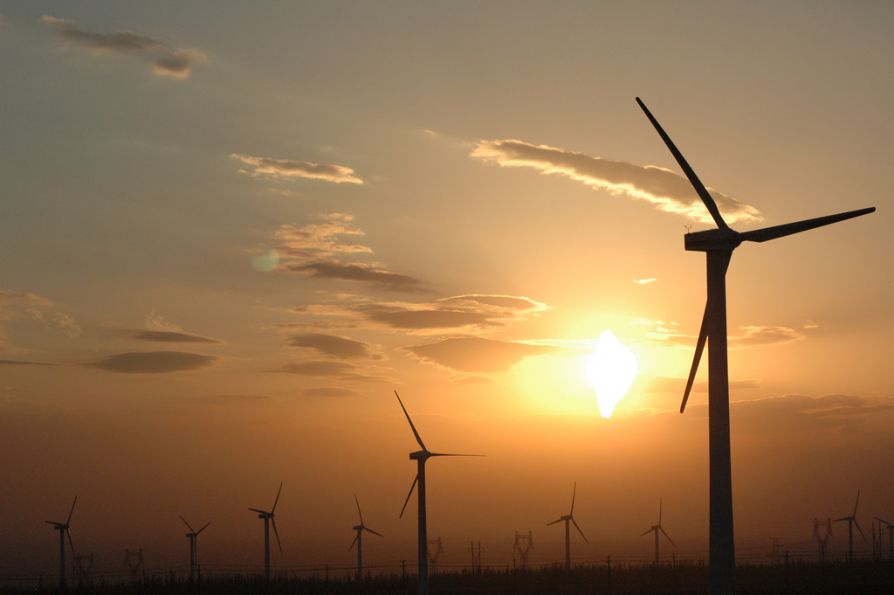
No story about BRICS energy can ignore China and India, the two giants that dominate the numbers and set the tone for everyone else. China continues to install solar at a scale the world has never witnessed, turning deserts into power stations and rooftops into tiny generators. At the same time, it has not switched off its coal building programme, arguing that energy security matters as much as climate ambition. India sits in a similar position, balancing aspiration with reality. Its solar auctions have driven prices to among the lowest on Earth, yet coal still provides the backbone of its electricity and employs millions of workers. For both nations, the goal is not to choose one path, but to walk two at once.
The Newer Members Change the Picture
The expansion of BRICS has added fresh characters to this drama, and each one changes the overall count. Egypt, Ethiopia, Iran, the United Arab Emirates, and Indonesia each bring their own energy mix and their own ambitions to the table. The UAE is pouring money into vast solar parks while still exporting oil to the rest of the world. Iran relies heavily on natural gas at home. Ethiopia leans on hydropower from its great rivers. This diversity means the group average hides wildly different national stories and priorities. When you add them all together, the records reflect a patchwork of separate decisions rather than one single coordinated strategy.
The Money Behind the Boom
Follow the financing and the pattern becomes clearer still. State banks, sovereign wealth funds, and private investors are all lending to both types of projects at the same time. Green bonds are booming, but so are traditional energy loans and export credits. Many BRICS governments see fossil fuel exports as a source of foreign currency that pays for the renewable build out and the modern grids it needs. In other words, the old economy is helping to fund the new one. That circular flow of capital explains why the two tracks can accelerate together without either one starving the other of cash.
Jobs, Cities, and Rising Expectations
Behind every gigawatt is a human story. Solar farms create installation jobs. Coal mines and gas fields protect existing ones. Governments are caught between voters who want cleaner air and workers who fear losing their pay cheques. By building both at once, they try to keep everyone employed and every promise half kept. That political calculation, as much as any technical one, keeps the twin engines of this transition roaring.
What This Means for the Climate
Here is where the story turns sober and the stakes grow heavy. Every new coal, oil, or gas plant carries a long lifetime, often 30 to 40 years or more. Locking in those emissions makes the global climate targets harder and harder to reach. Yet the same year also delivered a massive jump in clean power, which displaces dirtier generation whenever it is available. The net effect depends on how quickly the fossil plants are actually used and how soon they are retired or fitted with cleaner technology. Optimists see a bridge to a greener future. Pessimists see a trap that delays action. The truth, as usual, sits somewhere in the uncertain middle.
A Bet on Being Ready for Anything
There is a deeper logic at work, and it is all about risk. After recent energy price shocks and geopolitical tensions, many BRICS leaders decided that dependence on imported fuel is dangerous and expensive. Building domestic capacity of every kind, from solar farms to gas fields to nuclear stations, is a way to hedge against an unpredictable world. It is the energy equivalent of keeping several doors open in case one of them slams shut. That instinct for resilience, more than any single climate pledge, is what truly drives the parallel expansion.
The Road Ahead
Watch three things in the coming years. First, whether storage batteries and grid upgrades finally let renewables run the show for longer stretches of the day. Second, whether the fossil fuel additions become stranded assets as clean power gets even cheaper and investors grow nervous. Third, whether the BRICS as a group can turn its shared scale into shared rules, coordinating investments instead of competing for the same equipment and finance. The answers will shape not only the bloc, but the entire planet and the pace of the global energy transition.
A Transition With Two Faces
The year 2025 will be remembered as the moment the BRICS proved they could break records on both sides of the energy divide at once. Solar and wind soared to new heights, and so did coal, oil, and gas. This split transition is messy, contradictory, and deeply human, because it reflects real people trying to power their lives while dreaming of a cleaner tomorrow. Whether that dream arrives on schedule depends on choices still being made in capitals across four continents. For now, the world watches a group of nations sprinting in two directions, and somehow, remarkably, gaining ground in both.