The Deadly Playground: How Video Games Quietly Prepare a Generation for War
The room is dark except for the glow of a screen. A young operator sits with hands on a controller, eyes fixed on a live feed from halfway around the world. The scene could be any living room on any evening, but this is not a game. Somewhere far away, a target appears as a tiny shape on the monitor, just like the ones the operator has eliminated a thousand times before. The only difference is that this time the consequences are permanent. This is the strange intersection where entertainment meets combat, and the military industrial machine is delighted to keep it that way.
A Familiar Screen, A Different War
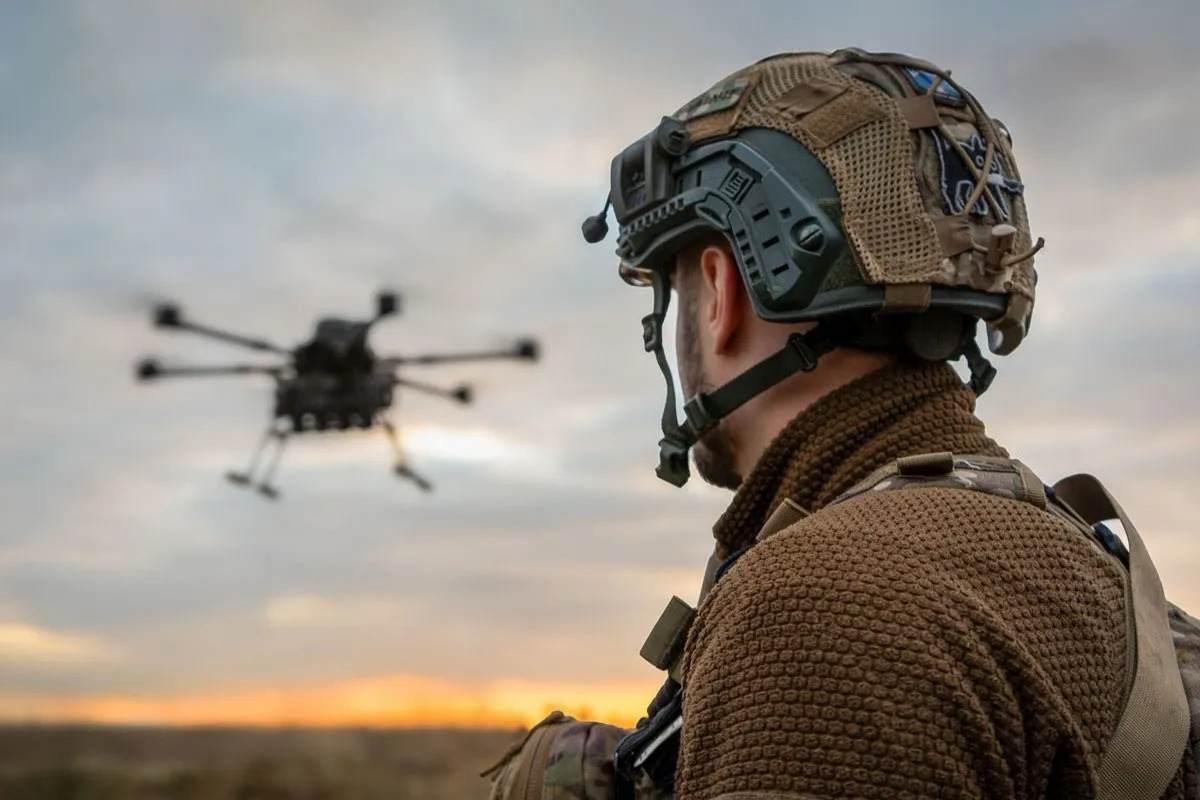
For drone operators, the experience is eerily similar to the video games they grew up playing. Screens, controllers, video feeds, enemy troops, even civilians, all appear as lifeless data on a display. The operator watches them move, waits for the right moment, and acts. Tomorrow the screen will light up again with fresh targets, much like respawning enemies in a favorite shooter. This is precisely the point. The sameness tricks the mind into believing that warfare is simply another simulated environment, another level to complete, another high score to chase.
The consequences of this mental shortcut are profound. When killing feels like a game, the weight of taking a human life becomes dangerously light. Studies of remote warfare have long warned about the psychological distance created by operating from thousands of miles away. The drone operator goes home for dinner after a mission, a routine impossible for a soldier on the ground. The detachment is not an accident, it is a feature.

The Gamification of Combat
The Pentagon understands this dynamic better than anyone. For years, the military has actively courted the gaming community, sponsoring esports teams, funding game development, and using popular titles as recruitment tools. The message is subtle but powerful: war is exciting, war is heroic, war is fun. Young people who spend hours mastering virtual battlefields are seen as natural candidates for real ones.
Recruitment centers now resemble gaming lounges, complete with racing simulators and shooting games. Military booths at conventions are built around the same flashy energy as game demos. The goal is to make the jump from controller to joystick feel small, even natural. If a teenager can enjoy a simulated firefight on Friday night, the thinking goes, they can be persuaded to consider the real thing by Monday morning.

Blurring the Line Between Simulation and Reality
The blurring goes beyond recruitment. Training programs now use video game engines to create realistic combat scenarios. Soldiers rehearse missions in virtual worlds that look and feel like the actual environments they will face. This is undeniably useful for honing tactical skills, but it also deepens the confusion between the virtual and the real.
When a mission is executed from a console in Nevada and the target is observed through a camera feed, the operator may never see a face, hear a voice, or witness the aftermath. Civilians become collateral, just another object in the frame. The ethical alarm bells should be ringing. If we train people to treat human beings as data points, we should not be surprised when empathy erodes and moral boundaries fade. The technology may be new, but the danger is as old as war itself.
The Pentagon’s Strategic Courtship
The relationship between the gaming industry and the defense establishment is a marriage of convenience blessed by the Pentagon. Military dollars flow into game studios, and game culture flows back into military culture. Esports tournaments are sponsored by army recruiters, and popular franchises celebrate military values on a global stage. The partnership is presented as patriotic, harmless, even charitable, but the underlying purpose remains recruitment and normalization.
Critics argue that this courtship is a form of soft propaganda. By wrapping war in the aesthetics of entertainment, the military makes conflict more palatable to a generation raised on screens. The uncomfortable question is whether we are raising citizens or potential operators. The line between player and soldier has never been thinner, and the Pentagon is investing heavily in keeping it that way.
The Moral Cost
What is lost in this arrangement is the humanity at the center of conflict. For the operator, the enemy is a blip on a radar, a shape in a thermal image. For the family on the ground, that blip is a father, a mother, a child. The gamification of warfare hides the screams, the blood, the grief, and the permanent scars behind a clean interface. This sanitization is dangerous because it makes war seem manageable, precise, and even virtuous.
History has shown that the easier it is to kill, the more readily we do it. Distance has always enabled cruelty, and technology now provides unprecedented distance. We must ask ourselves whether the convenience of remote warfare is worth the moral cost. The detachment that protects the operator also dehumanizes the target, and once dehumanization takes hold, atrocities follow.
Conclusion: The Reality No Screen Can Simulate
We stand at a crossroads. The tools of entertainment and the tools of war have merged into a single glowing screen, and the military is eager to keep our eyes fixed upon it. The young gamer who becomes a drone operator does not suddenly become a monster, they become a person who has been carefully trained to see people as pixels.
We owe it to ourselves and to future generations to recognize this for what it is. War should never feel like a game. The moment it does, we have already lost something essential about our humanity. We cannot let the Pentagon’s convenient marriage to the gaming industry define how we see conflict. We must demand honest conversations about the true cost of war, a cost measured not in points or levels, but in lives. And that is a reality no screen can simulate.