Iran War Reverses Britain Inflation Success and Reignites Cost of Living Shock
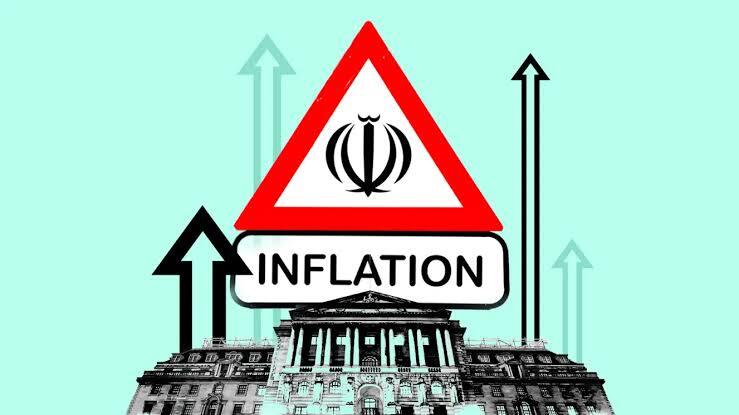
For a fleeting moment, Britain allowed itself to exhale. The biting cost of living crisis that had squeezed households for years seemed to be loosening its grip. Inflation had fallen from painful double digit peaks to a quieter, more manageable level. Supermarket shelves no longer felt like a battleground. Energy bills, while still high, had stopped climbing at that terrifying pace. It felt like the beginning of a calmer chapter. Then the drums of war began to sound in Iran, and that fragile calm shattered.

The connection may seem distant at first. A conflict in the Middle East, thousands of miles away, and the price of bread in London feel disconnected. But the global economy is a tightly wound web. When oil routes are threatened, when energy infrastructure is at risk, the shockwaves travel fast. Britain, with its heavy reliance on imported energy and complex supply chains, is among the first to feel the sting. The war in Iran has done more than dominate headlines; it has reversed the downward path of British inflation and dragged the country back toward a new cost of living shock.
How the War in Iran Reopened the Inflation Wound
To understand what is happening, look at the journey of a single barrel of oil. It starts in the ground, gets refined, loaded onto ships, and eventually becomes the petrol in a car or the fuel that powers a factory. Every step of that journey is sensitive to risk. The conflict in Iran has injected risk into every one of those steps. Insurance rates for tankers have soared. Shipping companies are rerouting vessels. Traders are paying a premium for every barrel that moves through waters near the conflict zone. All of that extra cost lands somewhere. It lands on the pump price. It lands on the food that travels by truck. It lands on the energy that heats homes and powers offices.
The Bank of England had spent the last year congratulating itself on a steady decline in inflation. The target was in sight. Households were beginning to adjust. Then the shock arrived. Energy prices, which had been the original engine of the inflation crisis, jumped again. The Office for National Statistics may still be processing the data, but the direction is clear. The era of falling inflation is over, at least for now. The war in Iran has changed the arithmetic of every bill in Britain.
Fuel Prices and the Ripple Effect
When fuel prices rise, they do not just hurt drivers. They travel through the entire economy. A delivery van needs diesel. A fishing trawler needs fuel. A farmer uses diesel to run a tractor. A supermarket chain pays for the fuel that moves goods from warehouse to shelf. All of those costs are passed along. The price of fresh vegetables creeps up. A loaf of bread becomes a little more expensive. The morning coffee order feels a little heavier. It is a slow, grinding pressure that nibbles away at household budgets from every direction.
This is the second wave of a shock that Britain has already lived through once. The first wave, triggered by the previous energy crisis, taught every family the grim ritual of watching the numbers climb on the monthly statement. Now the ritual is returning. The difference is that this time the trigger is not a distant post pandemic recovery or a single supply chain bottleneck. It is an active war in a major energy producing region. That makes the outcome harder to predict and harder to control.

What This Means for Household Bills
Let us talk about the kitchen table. For millions of British households, the next few months will feel like watching a slow confession of fear. The energy price cap will adjust with market conditions. Suppliers will rewrite their tariffs. The direct debit that leaves the bank account each month will inch upward again. That means less money for everything else. The weekly shop becomes a game of choices. Parents skip a treat so the children can have a warm bedroom. Pensioners wear an extra jumper instead of turning on the heating. These are not abstract economic terms; they are the small indignities of a country under financial siege.
The threat to food prices is especially cruel. Britain imports a significant portion of its food. A weaker pound, driven by investor anxiety over the war, makes imports even more expensive. Add higher transport costs, and the result is a perfect storm on the supermarket floor. The poorest households, who spend a larger share of their income on food and energy, feel the weight first. The cost of living shock is not evenly distributed. It always strikes the vulnerable with the most force.
The Dilemma for the Bank of England
The Bank of England now faces an unenviable choice. If it raises interest rates to fight inflation, it risks crushing economic growth. If it holds rates steady, it risks letting inflation become entrenched. The war in Iran has made both options worse. Higher energy prices are the kind of shock that central banks cannot easily correct. Raising interest rates will not produce a single new barrel of oil. It will only make borrowing more expensive for businesses and families already struggling with rising bills. Yet doing nothing would signal that the Bank accepts a future of persistent price growth.
This is the hard truth of the current moment. The tools available to policymakers are blunt. They cannot stop a war. They cannot rebuild supply chains overnight. They can only manage the fallout. For ordinary people, that means more uncertainty. Mortgage holders will watch the base rate with anxious eyes. Renters will face landlords passing on higher costs. Businesses will delay hiring and investment, adding more friction to an economy that was just finding its footing.
The Energy Security Question
The war has also revived an uncomfortable question for Britain. How much energy security does the country actually have? The push toward renewable energy has made progress, but there is still a heavy reliance on imported fossil fuels. Global markets are now shown to be dangerously exposed to regional conflicts. Every time a crisis erupts in an oil producing nation, Britain feels the tremors. This is not a sustainable foundation for a modern economy. The events in Iran should be a wake up call for every government that assumed cheap imported energy would always be available.
There are no easy answers. The transition to cleaner energy will take time and investment. In the meantime, families need protection from volatile international markets. Some have called for windfall taxes, others for targeted subsidies. Whatever the response, it must be fast enough to prevent another wave of hardship. The days of relying on the market to sort itself out are gone. When war upends the global order, the market is the first to break.
The Human Cost of a Global Shock
Behind every macroeconomic statistic is a human story. There is the mother in Manchester who runs the numbers before every shop. There is the retired teacher in Newcastle who cannot remember the last time she felt warm. There is the young couple in Bristol who delayed having children because the nursery fees and heating bills feel impossible. The war in Iran is not simply a foreign policy issue. It has rippled into the most private corners of British life. It has changed plans. It has forced sacrifice. It has ended the comfortable belief that the worst of the cost of living crisis was behind us.
The emotional weight of this reversal is just as heavy as the financial one. Hope is a scarce resource. When people finally started to believe that better days were arriving, the news from Iran took that hope away. There is a particular exhaustion in facing a challenge you thought you had already conquered. It drains motivation, breeds cynicism, and makes the next struggle feel even harder. That is the unseen toll of this new inflation shock.
What Comes Next
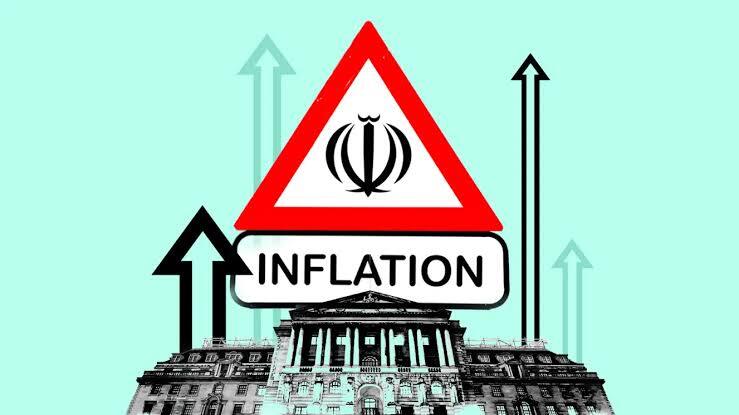
No one can say with certainty where the conflict will lead. Markets hate uncertainty, and they are showing it. Oil prices will remain volatile. Inflation will likely drift upward before any corrective measures take hold. The British government will be forced to respond, but its options are limited by stretched public finances. The next budget will be framed by this new reality. Spending commitments will be questioned. Welfare support may be expanded, but not without a political battle. Every choice will carry a price tag, and that price tag will be paid by households.
There is also a global dimension. The war in Iran affects every trading partner. What happens in British shops is a reflection of a wider fragility in the international system. The easing of inflation was a global trend, and now that trend is at risk. Central banks around the world are watching. The era of synchronized economic recovery is being tested by the chaos of conflict. Britain, because of its particular vulnerabilities, is standing near the edge.
A Call for Resilience
If there is a lesson from this moment, it is that resilience cannot be taken for granted. Economies are not machines that hum along forever. They are living systems, exposed to every gust of global tension. The war in Iran has reminded Britain that stability is fragile. The response must be built on preparation rather than reaction. Diversifying energy sources, strengthening supply chains, and protecting the poorest are not just policy ideas. They are shields against the next inevitable shock.
There is no shortage of warnings in history. Every oil shock, every war, every geopolitical crisis has left its mark on ordinary families. The difference is that the world is now more interconnected than ever. A strike in one region sends tremors through every supermarket aisle in the country. Britain, like every nation, must learn to stand on stronger ground. The hope is that this painful lesson will not be wasted. The reality is that the next few months will be hard.
The path ahead is uncertain. What is known is that the war in Iran has changed the economic trajectory of Britain. The inflation victory that felt so close has been postponed. The cost of living shock has returned with a familiar, unwelcome knock on the door. The country is now bracing for a new season of sacrifice. Whether that sacrifice is shared fairly, and whether the response is swift enough, will define the political and social landscape for years to come.
For now, all Britain can do is tighten its belt, look out for its neighbours, and hope that the drums of war fall silent before the damage deepens. The road ahead is long. The resilience of ordinary people will be tested again. And this time, everyone knows the cost.