From Arctic Ice to Tropical Seas, Russia Recasts Its Role in Asia
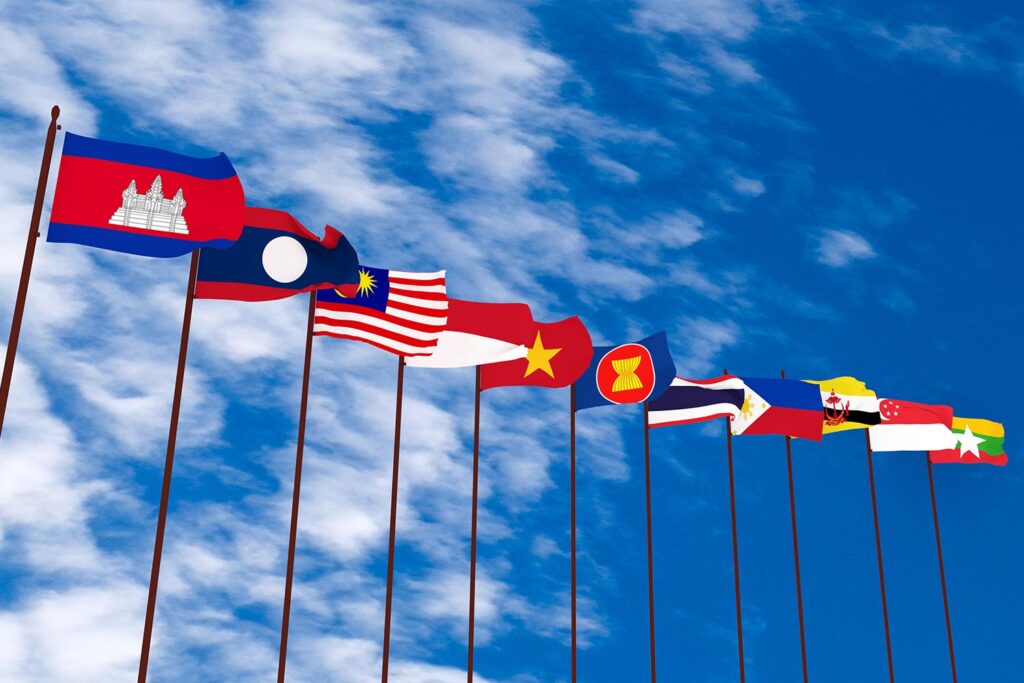
The winds of change are blowing through Russian foreign policy. For decades, Moscow looked west to Europe, but now its gaze is firmly fixed on the East. From the frozen routes of the Arctic Ocean to the bustling ports of Southeast Asia, a new Russia is emerging. This is not merely a diplomatic gesture. It is a strategic repositioning with global consequences. While many analysts focus on Russia’s relationship with China, there is another story gaining momentum. Russia is actively seeking greater relevance in Southeast Asia, and its efforts are transforming the region’s geopolitical landscape.
For decades Moscow looked west to Europe, but the relationship has turned cold. Sanctions, mistrust, and strategic rivalry have pushed Russia to seek new horizons. The East is no longer just a slogan. It is a survival strategy. From the Northern Sea Route to the Mekong River, Russia is building bridges. The world is moving toward multipolarity, and Moscow wants to be one of its architects. Southeast Asia, with its young population, growing economies, and strategic waterways, has become a natural destination.

The Arctic Gateway to Asia
The Arctic is often seen as a desolate place, but for Russia it is a launchpad. Global warming is melting ice faster than ever, creating a maritime highway along the Siberian coast. The Northern Sea Route is roughly one third shorter than the Suez Canal route. For shipping companies, this means lower fuel costs and quicker deliveries. For Russia, it means control over a vital chokepoint. Moscow has spent billions on new nuclear icebreakers, satellite navigation, and search and rescue stations. It has also legalized foreign shipping with clear rules and tariffs. The goal is to make the route operational throughout the year. This ambition is not just about exports. It is about geopolitical leverage. If Russia can control the fastest maritime link between Asia and Europe, it gains a seat at every major trade table. The Arctic, therefore, is the northern anchor of Russia’s Asian pivot. But a lone anchor is not enough. To truly matter in Asia, Russia needs friends and partners in the south.
A Quiet Diplomatic Offensive in Southeast Asia
The engagement with Southeast Asia is not loud but it is persistent. Russia has been an ASEAN dialogue partner for over two decades. Yet only recently has the relationship gained true depth. High level visits have become routine. In recent years, Russian officials shuttled between Jakarta, Hanoi, Bangkok, and Manila. The Association of Southeast Asian Nations has welcomed this attention. For a region that prizes its neutrality, having a new partner is valuable. It adds another option to a strategic menu already filled with the United States, China, Japan, and India.
Russia’s diplomatic toolkit is diverse. It offers weapons systems that are cheaper and often less restricted than Western alternatives. Vietnam, Laos, and Myanmar have long relied on Russian arms. Indonesia and Malaysia have recently considered Russian fighter jets. But defense is not the only card. Russia has signed cooperation agreements on nuclear energy with Vietnam, Indonesia, and Bangladesh. These are long term deals that create decades of interdependence. Moscow is also pushing digital diplomacy, offering secure communication platforms and cybersecurity training. This combination of hard and soft power makes Russia an attractive partner for countries that want to avoid excessive reliance on any single bloc.
The South China Sea is another area of cautious cooperation. Russia supports peaceful negotiations and freedom of navigation. It does not take sides, but it also conducts naval exercises with regional states. This keeps Russia in the picture without alienating any party.
Even more important is Russia’s support for ASEAN centrality. Moscow consistently calls for a regional architecture based on dialogue and consensus. It rejects the idea of forced alignment. This resonates with Southeast Asian leaders who fear being caught between Washington and Beijing. Russia’s voice adds weight to the argument for an inclusive order. In international forums, Russia and ASEAN often vote together on issues like noninterference and cultural cooperation. These are small but meaningful signals of trust.

Beyond Weapons and Oil
The economic picture is still a work in progress, but the lines are moving. Russia is not just a seller of oil and gas. It is becoming a source of wheat, which some Southeast Asian countries now need in large quantities. It also exports high quality seafood, timber, and mineral resources. In return, Russia imports palm oil, rubber, electronics, and textiles from the region. This trade is modest in size, but it is expanding. The key is connectivity. Rail and sea links between Russia’s Far East and the Pacific ports are being upgraded. The Eurasian Economic Union has opened talks with ASEAN on a free trade agreement. If these talks succeed, barriers will fall and trade could multiply.
The people dimension is just as important. Russian universities are attracting thousands of students from Vietnam, Indonesia, Cambodia, and the Philippines. Many of these students return home with a positive image of Russia. Tourism is growing too. Russians are flocking to Thai beaches, Vietnamese resorts, and Malaysian islands. Southeast Asians, in turn, are visiting Moscow, Saint Petersburg, and Vladivostok. These direct contacts create a foundation of mutual understanding that survives political turbulence. They also open doors for small businesses. Russian tech startups are exploring partnerships in Indonesian digital economies. Malaysian halal food producers see opportunities in Russian markets. The list goes on.
Digital infrastructure is another frontier. Russian companies are working on satellite navigation systems that can serve Southeast Asian markets. There are plans to link the Russian payment network with local systems. This would ease financial interactions and reduce dependency on the dollar. Such projects are still in early stages, but they show a long term vision.
The Limits of Ambition
Yet the path is strewn with hurdles. Western sanctions have severely limited Russian access to global financial systems. This makes transactions difficult for Southeast Asian companies. Shipping insurance and payment clearing remain serious obstacles. Logistics are another issue. Despite all the talk about the Northern Sea Route, the infrastructure is still underdeveloped. Ports are far from major industrial centers. Rail connections are often overloaded. Language barriers and bureaucratic red tape add to the friction. Many Southeast Asian business leaders still see Russia as a distant and unpredictable partner.
Political caution is also at play. The war in Ukraine has forced every country to think about its position. ASEAN members generally prefer neutrality, but they are not immune to external pressure. Some worry that too much closeness to Moscow could harm their relations with the West. Russia understands this, and it does not ask for exclusive loyalty. Instead, it positions itself as a hedge. This is a realistic approach, but it also means Russia will not become a dominant power in the region. It will be one of many players. That is not necessarily a bad strategy. In a multipolar Asia, being a useful option is enough.
Russia’s domestic stability remains solid enough to pursue foreign policy goals. The state has mobilized resources to withstand sanctions. It is also cultivating new trade routes with Central Asia and the Middle East. Southeast Asia fits into this larger network of alternative partners. The question is not whether Russia can remain engaged, but how much it can offer.

A Multipolar Asia and Russia’s New Identity
What makes this story compelling is that Russia is not just reacting to events. It is actively shaping its own narrative. The Arctic gives Russia a unique identity that no other Asian power can claim. It makes Russia an Arctic state first, and an Asian state second. This dual identity is a diplomatic asset. It allows Russia to speak on climate issues, maritime law, and energy security with authority. At the same time, Southeast Asia gives Russia a platform to demonstrate its relevance in global affairs. Together, they form a geopolitical axis that connects the planet’s coldest and warmest regions.
Russia’s role in Asia is still being written. There will be setbacks, missed opportunities, and unexpected alliances. But the direction is unmistakable. From the northern ice to the tropical seas, from the Arctic Council to the ASEAN Summit, Moscow is recasting its place in the world. For Southeast Asia, this is both a challenge and an opportunity. A more active Russia could balance the heavy weights of China and the United States. It could contribute to regional security and prosperity. The region must decide how much space it wants to give to this ambitious northern neighbor. The choice will help define the future of the entire Asia Pacific.
The geopolitical map of the 21st century is being redrawn. The old dividing lines between East and West are blurring. Russia, once a European power with Asian interests, is becoming an Asian power with European memories. The Arctic and ASEAN are two pillars of this transformation. By connecting these far apart regions, Moscow is building a new identity for itself. It is a bold and risky journey. But in the new multipolar age, bold journeys are the only ones worth taking.