Solar BRICS: Emerging Economies Now Lead the World’s Clean Energy Race
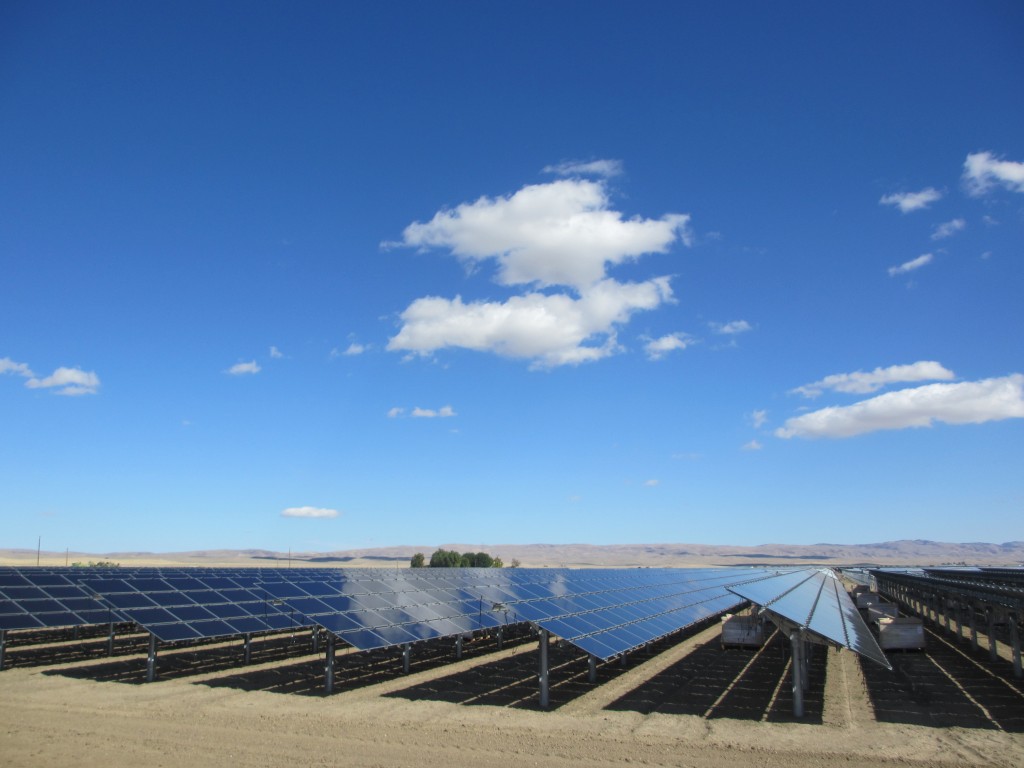
Imagine standing on a rooftop in Mumbai as the morning sun rises over a sea of solar panels. Imagine the same golden light stretching across the high plains of South Africa, the vast fields of China, the industrial heartlands of Russia, and the sunny coasts of Brazil. That image is no longer a distant dream. It is the new reality of our time.
BRICS countries now generate more than half of the world’s solar power. The numbers are remarkable. These emerging economies, often seen as followers in the global energy transition, have become the leaders. This is not a small shift. It is a profound rearrangement of the global energy map.
For decades, clean energy belonged to the wealthy. Rich nations built subsidies, pilot projects, and high profile climate summits. Meanwhile, the developing world waited. But those days are gone. The new solar revolution has a different address. It lives in the cities and villages of the Global South.

The story begins with a simple truth: the sun does not ask for permission. It shines on every country. But to turn that sunshine into electricity, a nation needs courage, capital, and a vision. The BRICS group has all three. Each member has taken a different road, but all are moving in the same direction.
The Power of Collective Momentum
What makes this solar breakthrough so special is the idea of collective momentum. The BRICS nations did not wait for a single perfect plan. They made mistakes, adjusted, and pushed forward. Their success sends a message to every developing country: the clean energy transition is not reserved for the rich.
China is the obvious giant. Its factories produce most of the world’s solar panels. Its deserts are covered with massive solar farms. But the real surprise is the spread of solar power beyond China. India is racing forward with ambitious installations in the desert and on countless rooftops. Brazil is using its bright sunshine to power the future of Latin America. Russia, known for fossil fuels, is quietly developing solar capacity in its southern regions. South Africa is battling energy challenges with renewed commitment to the sun.
A New Center of Gravity
Energy has always been about geography. In the past, the world depended on oil fields in the Middle East, coal mines in Europe, and gas pipelines across continents. That map is changing. The new center of gravity is not a single place. It is a group of nations spread across the Global South, all drawing power from the same source.
Solar energy is democratic. It does not require control over a narrow strip of land. It does not need an army to protect a pipeline. The sun is everywhere, and the technology to capture it is becoming cheaper every year. This is why emerging economies are leading the race. They understand that solar energy is not just an environmental choice. It is a strategic choice.

For these countries, solar power means energy independence. It means fewer imported fuels, lower pollution, and more jobs. It means a chance to leapfrog the old industrial model and build a modern economy from scratch. The old industrialized nations grew rich by burning coal and oil. The BRICS nations are showing that growth can come from sunshine.
Consider India. The country has one of the fastest growing solar markets in the world. It has turned wastelands into energy fields. It has put solar panels on canals, on farms, and on the roofs of crowded cities. The message is clear: there is no single path to solar success. There are many paths, and all of them lead toward a brighter future.
The Human Face of the Solar Race
Behind every solar panel is a person. A farmer in Maharashtra who no longer worries about failed harvests because his pump runs on the sun. A student in a rural school who can study after sunset. A small business owner who can keep her coolers running through a hot afternoon. These are the real benefits of the solar race.
The BRICS solar story is not just about megawatts and gigawatts. It is about dignity. It is about giving communities the power to shape their own lives. When a village gets its first solar grid, it is not just a technical achievement. It is a quiet revolution.
South Africa offers a powerful example. The country has faced serious electricity shortages. But instead of giving up, it has embraced solar as a way to heal its energy system. Homes, hospitals, and schools are turning to the sun. Every new panel is a vote of confidence in the future.
Take the story of a small village in the drylands of Brazil. For years, the people relied on diesel generators that were loud, expensive, and unreliable. Then a local cooperative installed a solar microgrid. Today the village school runs computers, the clinic keeps vaccines cold, and children can study after dark. The change is not measured in emissions alone. It is measured in lives.
In India, a woman farmer explains how solar irrigation changed her daily life. She used to walk miles to fetch water because the electric pump often failed. Now the solar panels on her roof power a pump that fills her tanks every day. She grows more food, earns more money, and sends her daughter to school. The energy transition is personal.
From Followers to Forerunners
For years, the world assumed that emerging economies would copy the energy policies of the West. That assumption is now outdated. The BRICS countries are not followers anymore. They are forerunners. They are building the energy systems of the future, and the rest of the world is watching.
This shift carries enormous consequences for global climate action. When the countries that emit the most carbon decide to invest in solar, everyone benefits. The air gets cleaner. Temperatures rise more slowly. The risk of catastrophic climate change shrinks. The leadership of BRICS is good news for the planet.
Of course, challenges remain. The transition to renewable energy is not simple. There are questions about storage, grid capacity, and financing. Some communities still depend on fossil fuels for their livelihoods. The path forward requires careful planning and international cooperation. But the direction is clear.

Why the Sun Chose the Global South
Geography gives emerging economies a natural advantage. Many BRICS nations lie in sunny latitudes. But the real advantage is not weather. It is timing. Solar technology has become cheaper at exactly the moment when these economies need to expand their energy capacity. They can skip the old fossil fuel stage and move directly to renewable systems.
This is known as leapfrogging. It happened with phones. Many countries did not build landlines. They went straight to mobile phones. The same thing is happening with electricity. Instead of building enormous coal plants and long power lines, some communities are building local solar grids. The results are faster, cheaper, and more flexible.
Brazil adds another exciting dimension. The country has a long history of renewable energy. Its hydroelectric dams already provide clean power. But solar is now complementing that system. In the sunny northeast, solar farms are multiplying. Households are installing panels. The country is using its natural brightness to reduce pressure on hydro reservoirs, especially in dry seasons.
Russia might surprise many readers. It is famous for gas and oil. But the country also has large areas with high solar potential, especially in the south. Russian engineers are working on solar projects that stand up to cold climates and long winters. The effort is modest compared to China or India, but it signals a longer term shift.
Solar Diplomacy and Shared Futures
The BRICS countries understand that energy is a diplomatic tool. By cooperating on solar technology, they create bonds that go beyond political speeches. They share engineers, finance models, and technical standards. They build common institutions. This cooperation makes the whole group stronger.
There is a phrase in the solar world: a rising tide lifts all boats. That is exactly what is happening. When China lowers the price of panels, India benefits. When Brazil builds a smart grid, South Africa learns from the experience. When Russia develops cold climate solar systems, other northern countries gain access to new solutions. The knowledge pool grows together.
Financing the Solar Future
Money is the fuel of the energy transition. The BRICS countries are creating their own development banks and investment funds to support solar projects. They are not alone in this. Private investors, international organizations, and green funds are also joining the effort. But the key is that local financing is expanding. This reduces dependence on foreign aid and gives countries more control over their energy destiny.
Solar projects also create jobs. Manufacturing panels, installing them, maintaining them, and building the grids around them all require workers. In emerging economies, this is a huge opportunity. Solar employment is growing faster than any other energy sector. The clean energy race is not just an environmental story. It is an economic story.
The Role of Innovation
The solar story is also a story of innovation. The panels that power our homes today are more efficient than ever. They are lighter, cheaper, and easier to install. New materials are changing what is possible. Transparent solar cells can be placed in windows. Flexible panels can cover curved surfaces. Bifacial panels can capture sunlight from both sides. These advances are helping emerging economies move faster.
Storage is the next frontier. The sun does not always shine, so reliable batteries are essential. The BRICS nations are investing heavily in battery technology and smart grids. They understand that a solar panel without a battery is only half a solution. With storage, a community can keep its lights on through the night and still wake up to a full tank of sunshine in the morning.
A Global Supply Chain
The clean energy economy is not just about the panels themselves. It is about the entire supply chain. Mining the raw materials, refining them, producing cells, assembling modules, building inverters, and connecting everything to the grid. The BRICS countries are present at every stage. This is why their leadership feels unstoppable.
The supply chain also creates global links. A solar panel built in China can be installed in Brazil. A battery produced in India can store electricity in South Africa. The international nature of solar trade makes the energy transition faster and more collaborative. No single country has to carry the burden alone.
The Importance of Public Support
None of this would be possible without public support. Ordinary people have embraced solar energy because they see the benefits in their own lives. They see lower electricity bills, cleaner air, and new job opportunities. This support creates political pressure for more ambitious policies. Leaders in the BRICS nations know that solar is not just a niche technology. It is a popular movement.
Community owned solar projects are especially powerful. In many villages, people have pooled their money to buy a shared solar system. They run a small cooperative, maintain the equipment, and share the power. This model builds trust and resilience. It gives people a direct stake in the clean energy future.
A New Kind of Power
There is a deeper meaning to this transition. Solar energy changes the relationship between a country and its own potential. A nation no longer has to rely on imported fuel or beg for favorable trade terms. It can harvest its own sunshine and create its own wealth. This is a new kind of power, and it cannot be easily taken away.
The old energy order was built on scarcity. Oil was found in certain places, and whoever controlled it controlled the world. The new energy order is built on abundance. The sun sends more energy to Earth in one hour than humanity uses in a year. The challenge is capturing it. The BRICS countries are proving that this challenge can be met.
A Voice for the Global South
The leadership of BRICS also matters for climate justice. The countries of the Global South have contributed the least to historical emissions, yet they often suffer the worst impacts of climate change. By leading the solar transition, these countries are showing that they are not victims of the climate crisis. They are agents of the solution.
This leadership changes the conversation at international summits. The developing world no longer asks for permission to grow. It is building its own clean energy future. The richer nations are now the ones who need to catch up. The moral high ground has shifted.
A Call to Action
The message of the solar BRICS is not just for governments. It is for every person. We can all make choices that support clean energy. We can ask for renewable power from our utilities. We can invest in solar cooperatives. We can educate ourselves and our children about the benefits of the sun. The transition is not about waiting for a hero. It is about millions of small decisions.
For businesses, the call is equally clear. Companies that embrace solar now will be better prepared for the future. They will save money, attract customers, and reduce their risk. The clean energy race is also a business race, and the early movers will reap the rewards.
A Bright New Dawn
The world has been waiting for a turning point in the fight against climate change. That turning point may have already arrived. It is not happening in a conference hall. It is happening in the ordinary places where the sun shines and people decide to use it.
BRICS countries now generate more than half of the world’s solar power. That sentence will define an era. It shows that the future is not determined by the past. Emerging economies are no longer waiting for someone else to solve the world’s problems. They are solving them together.
So the next time you see a solar panel, remember the meaning. It is not just a piece of glass and metal. It is a symbol of a new world order. A world where energy is clean, communal, and available to all. A world where the race belongs to the bold.
The sun is rising. The BRICS are shining. And the clean energy future is already here.