BRICS Climate Resilience: What Can Stop Expansion of Drought Affected Lands?
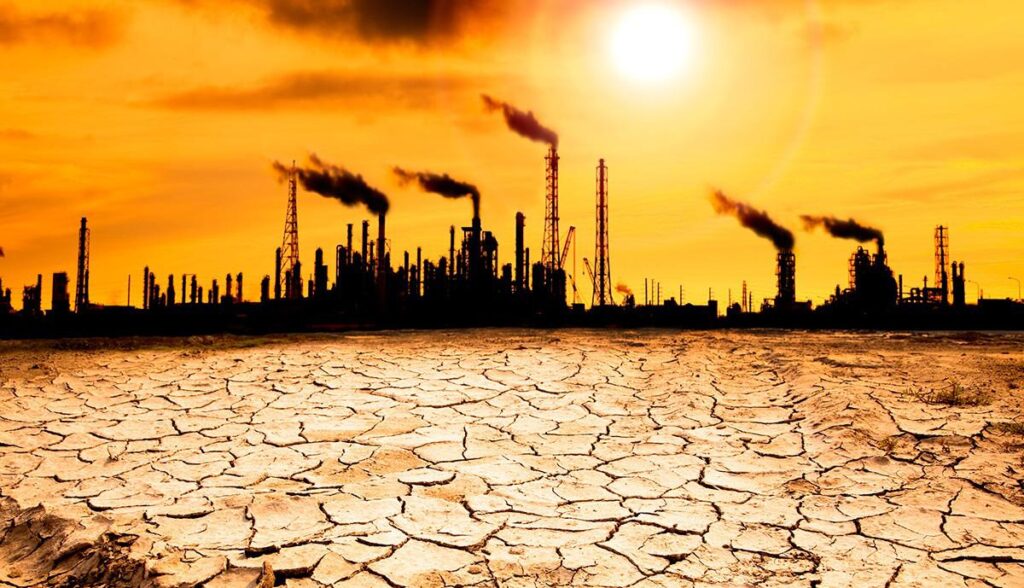
The sun beats down on a small farm in Maharashtra, India. The soil, once rich and dark, now crumbles into dust. For farmers like Rajesh, the monsoon has become unpredictable. His family's future hangs in the balance. This scene is repeated across the BRICS nations, from the drylands of South Africa to the degraded pastures of Brazil. According to the UN, drylands cover more than 40 percent of the Earth's land surface. Over recent decades, their area has expanded by 4.3 million square kilometres, exceeding the territory of India. The expansion of drought affected lands is a crisis that demands urgent attention. Climate change is not a distant threat; it is here, transforming landscapes and livelihoods. But there is hope. BRICS nations, with their collective strength, can lead the world in reversing this trend.

For every square kilometre of dryland expansion, thousands of families lose their ancestral lands. Migration to cities increases, putting pressure on urban infrastructure. Conflict over water and grazing rights becomes more common. The crisis is not just environmental; it is deeply human. The economic toll is staggering, with the UN estimating that land degradation costs the global economy up to 10 trillion dollars annually. Yet within this challenge lies an opportunity for BRICS to pioneer a new model of climate resilience.
The Scale of the Crisis
Drylands are not just barren deserts; they include vast savannas, grasslands, and shrublands that support nearly two billion people. When these lands degrade, food production falls, water sources dry up, and communities are forced to migrate. For BRICS countries, which are home to large rural populations, the impact is especially severe. In India, desertification affects 30 percent of the land. In China, the Gobi Desert expands by thousands of square kilometres each year. In Brazil, the Cerrado savanna is losing its natural vegetation. The expansion of drought affected lands is a silent crisis that undermines development gains. Climate projections warn that without intervention, the trend will accelerate, threatening food security and economic stability across the bloc.
Why BRICS Must Take Action
The BRICS bloc represents more than 40 percent of the world's population and a significant share of global land area. These nations are both contributors to and victims of climate change. Their economies rely heavily on agriculture, forestry, and natural resources. Without urgent action, desertification will worsen food insecurity, water scarcity, and social unrest. However, BRICS also possesses the resources, technology, and political will to make a difference. By coordinating their climate resilience strategies, they can set an example for the rest of the world. The New Development Bank, the BRICS Contingent Reserve Arrangement, and annual summits provide platforms for joint action. Restoring degraded lands is not just a cost; it is an investment. Studies show that every dollar spent on land restoration can yield up to 30 dollars in economic benefits. For BRICS economies, this represents a huge opportunity to create jobs, boost agricultural productivity, and enhance carbon sequestration.

Innovative Solutions Across the Bloc
What can stop the expansion of drought affected lands? The answer lies in a portfolio of approaches. Agroforestry, which combines trees with crops, improves soil fertility and water retention. Conservation agriculture reduces tillage and keeps the ground covered. In China, the Great Green Wall project has planted billions of trees to stabilise the Gobi Desert. India's Integrated Watershed Management Programme has revived rivers and aquifers in dry regions. Brazil's restoration of the Atlantic Forest is a model for large scale reforestation. South Africa's Working for Water programme clears invasive species to conserve water. Russia's efforts to protect peatlands help store carbon. These examples show that solutions exist; they just need to be scaled up. The next generation is key to long term solutions. Educational programmes that teach sustainable farming practices, environmental stewardship, and innovation can empower young people. BRICS youth networks are already sharing knowledge across borders. By investing in education, we can build a workforce ready to tackle desertification.
Technology and Data as Game Changers
Modern technology offers powerful tools in the fight against desertification. Satellites can monitor land cover changes in real time, allowing for early detection of degradation. Drones can seed barren areas with drought resistant plants. Precision agriculture uses sensors to optimise water and fertiliser use. BRICS nations have strong space programmes. Brazil's CBERS satellites, India's IRS series, China's Gaofen satellites, and Russia's Resurs satellites provide valuable data. By sharing information through the BRICS Remote Sensing Satellite Constellation, these countries can track land degradation and target interventions. Additionally, blockchain technology can ensure transparency in carbon credits and land restoration projects. No nation can solve this crisis alone. The BRICS partnership can extend to other developing countries, sharing technology and expertise. South South cooperation is a powerful tool. The UNCCD provides a global framework, but action at the regional level, such as through BRICS, can accelerate progress.

Policy and Financing for a Green Future
National policies must support sustainable land management. The UN Sustainable Development Goal 15 calls for achieving land degradation neutrality by 2030. BRICS countries can adopt this target and integrate it into their national development plans. The New Development Bank can fund projects that restore degraded lands, such as tree planting, water harvesting, and renewable energy. Green bonds and public private partnerships can mobilise additional capital. Community led initiatives, such as India's Joint Forest Management, empower local people to protect their resources. International cooperation, under the UN Convention to Combat Desertification, provides a framework for knowledge sharing.
Stories of Resilience
Across the BRICS world, ordinary people are making a difference. In the Thar Desert of India, women have formed self help groups to plant drought resistant trees. In Brazil's Caatinga region, farmers use cisterns to capture rainwater. In South Africa, communal rangelands are being restored through rotational grazing. In Russia, scientists are developing methods to re green degraded peatlands. In China, the Loess Plateau transformation is a testament to what collective action can achieve. These stories remind us that hope is not lost. Every hectare restored contributes to a larger movement.
Conclusion: A Collective Imperative
The expansion of drought affected lands is a formidable challenge, but it is not insurmountable. The BRICS nations have the potential to lead global efforts in climate resilience. Every square kilometre restored is a step towards a more sustainable future. As the UN data reminds us, the area lost already exceeds the size of India. But the future is not written in stone. With determined action, we can stop the spread and heal the land. The time for bold, coordinated action is now. Let us work together to ensure that the next generation inherits a green and productive Earth.