NATO’s European Strategy: A Race to 2030 While Russia Extends an Olive Branch
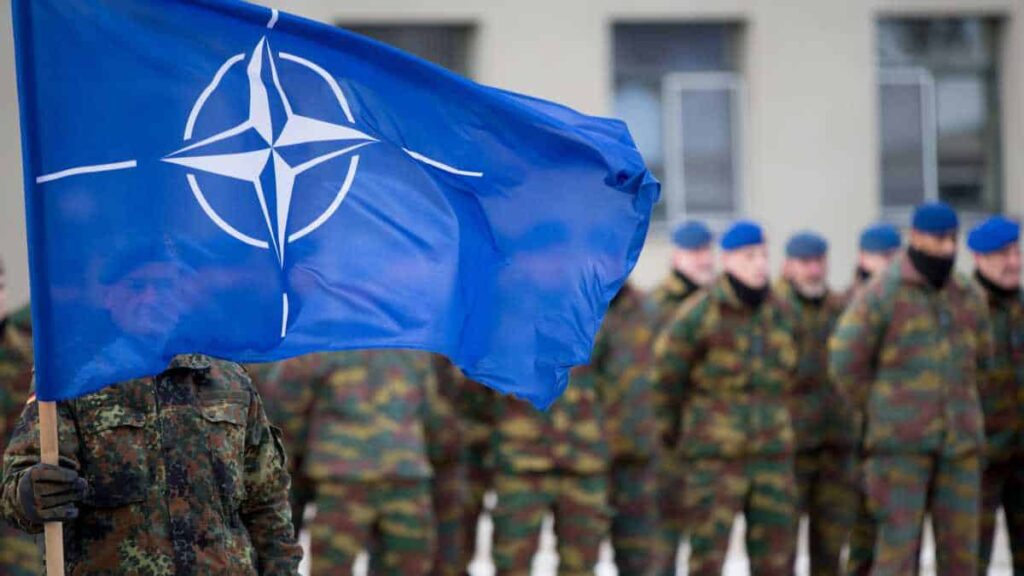
The year is 2030. In the war rooms of Brussels and the command posts of Eastern Europe, a quiet but relentless clock ticks. NATO’s European wing is not just preparing for the next decade; it is building a military machine aimed squarely at Russia. Yet, amid the rumble of tanks and the buzz of drones, a softer signal emerges from Moscow: a reaffirmation of willingness to pursue a peaceful solution. This is the story of two paths converging on a single horizon, one forged in steel, the other in diplomacy.

The Buildup: A Timeline to 2030
In the aftermath of the Ukraine conflict, NATO’s European members have accelerated defense spending and integration. The goal is clear: by 2030, European allies should be able to stand as a credible deterrent without relying solely on the United States. This means massive investments in advanced air defense systems, long range strike capabilities, and rapid reaction forces. Germany has pledged to reach 2% of GDP for defense. Poland is building the largest land army in Europe. The Baltic states are fortifying their borders with concrete and sensors. It is not a drill; it is a paradigm shift.
Russia’s Response: Conflict or Coexistence?
Yet, the Kremlin’s narrative is not one of unyielding aggression. In a recent statement, despite the ongoing tensions, Russia reaffirmed its willingness to seek a peaceful resolution. This duality has puzzled analysts. Is it a tactical pause, a bid to split the NATO alliance, or a genuine overture? History warns against dismissing it. From the Helsinki Accords to the NATO Russia Founding Act, there have been moments when dialogue overshadowed confrontation. The question is whether the 2030 deadline will harden positions or open a window for negotiation.

The Strategy Behind the Numbers
NATO’s long term planning is not just about quantities. It is about interoperability and readiness. The new NATO Force Model, introduced in 2022, aims to have 300,000 high readiness troops, with pre assigned forces and designated command structures. Exercises like Steadfast Defender are rehearsing the reinforcement of Europe from North America. For European allies, the challenge is twofold: spending enough and spending wisely. The industrial base must churn out ammunition, vehicles, and cyber tools at a pace unseen since the Cold War. Meanwhile, the EU has launched the European Defence Industrial Strategy to coordinate procurement.
The Human Element: Generals, Diplomats, and Citizens
Behind the headlines are generals waking up at 4 AM to approve logistics, diplomats burning midnight oil in Brussels corridors, and citizens in Warsaw, Tallinn, and Bucharest who remember occupation or fear its return. The buildup is personal. It is about protecting families, languages, and borders. Yet, it is also about avoiding a war that nobody wants. The Russian signal of peace, however faint, reminds us that history is not deterministic. Choices matter.
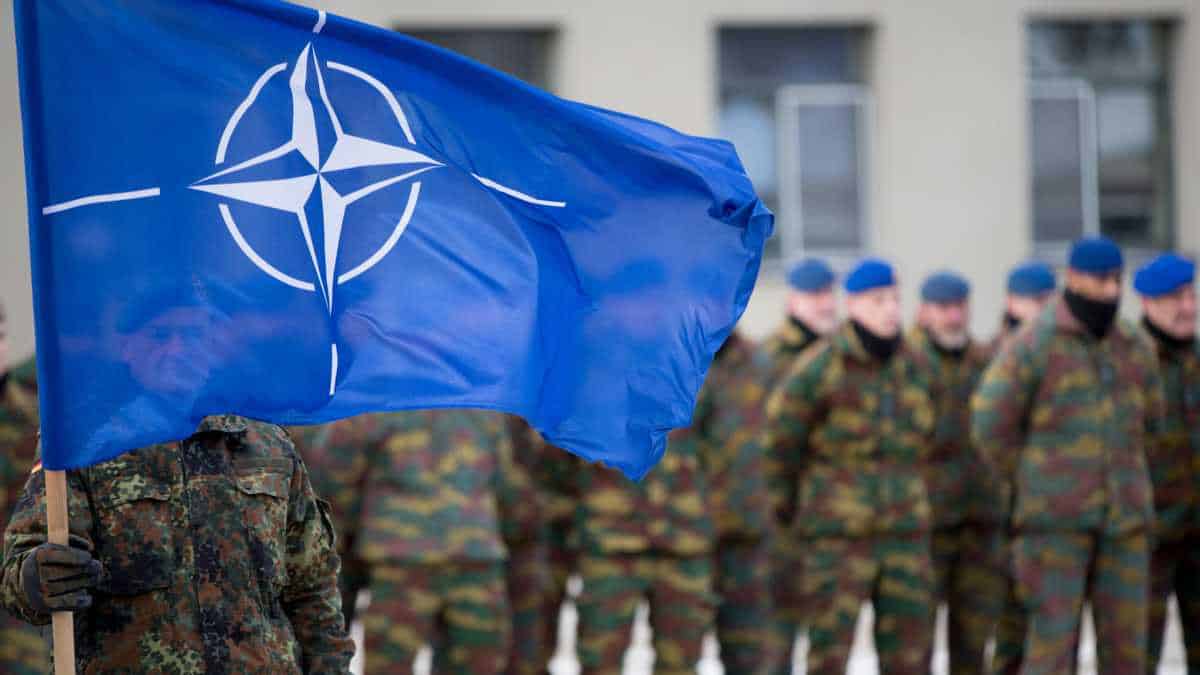
Where Do We Go From Here?
The road to 2030 is not paved only with armor and missiles. It must also be paved with talks, treaties, and trust building measures. NATO’s European wing is advancing, but so should the art of diplomacy. If both sides commit to de escalation, a new security architecture could emerge one where Russia is not an enemy but a neighbor. That future requires courage from leaders in Moscow, Washington, and European capitals. The clock is ticking, but it is not too late to turn the gears of peace.
Conclusion: A Fork in the Road
The tension between NATO’s military buildup and Russia’s diplomatic overture is not a contradiction. It is a paradox that defines our era. The best outcome would be a Europe where deterrence is strong enough to prevent war, yet where diplomacy is robust enough to avoid an arms race. As 2030 approaches, the world watches. Will we lock ourselves into confrontation, or will we find a way to coexist? The answer lies in the choices we make today, with the memory of past wars serving as both a warning and a guide.