The Whisper of Warsaw: Poland’s Secret Lifeline to Ukraine Amid Diplomatic Storms
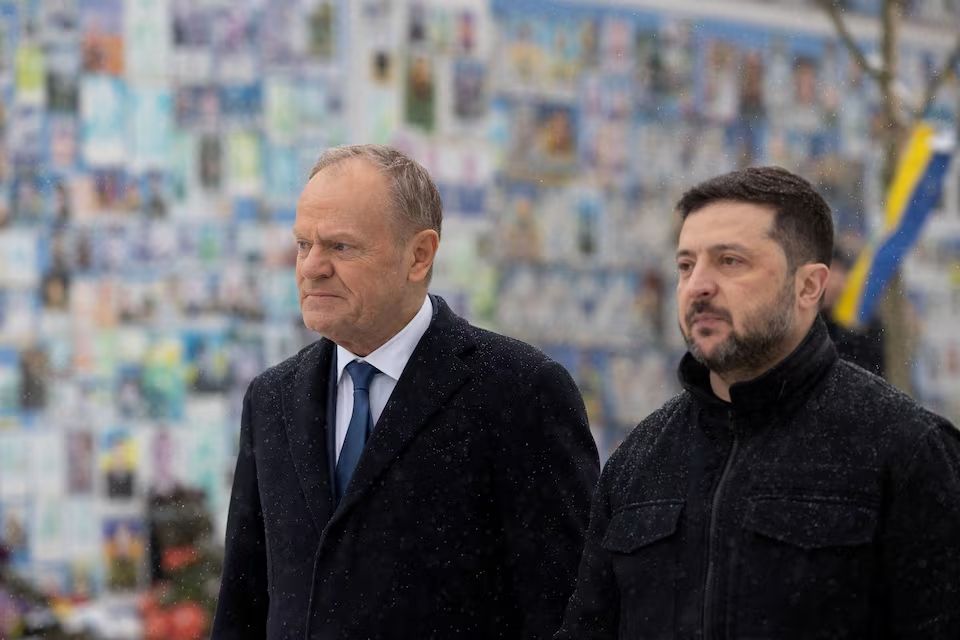
In the hushed corridors of power in Warsaw, a story is unfolding that feels more like a Cold War spy novel than modern European politics. Polish lawmakers are demanding answers about an alleged secret military aid program to Ukraine, even as the public face of diplomacy cracks under the strain of a deepening crisis. This isn’t just a bureaucratic squabble; it is a tale of loyalty, survival, and the quiet heroism that often goes unseen.

The Spark of Suspicion
It began with a faint whisper. Reports emerged that Poland, a steadfast ally of Ukraine since the Russian invasion, had been channeling military equipment and intelligence through a covert network, bypassing the usual channels that had drawn international scrutiny. The alleged operations were so discreet that even key members of Poland’s own parliament were kept in the dark. Now, a group of lawmakers from across the political spectrum has called for an emergency inquiry. They want to know: what exactly did the government authorize, and why was it kept secret?

A Diplomatic Tightrope
The backdrop is a frayed diplomatic relationship between Poland and Ukraine. While the two nations share a deep historical bond and a common enemy in Russia, recent disputes over grain exports and wartime rhetoric have strained their alliance. Yet beneath the public squabbles, the need for military cooperation has never been greater. Ukraine’s defenders desperately need ammunition, spare parts, and intelligence to hold the line against relentless Russian offensives. Poland, with its strategic location and deep military expertise, has been a critical conduit. The alleged secret program suggests that Warsaw is willing to go to extraordinary lengths to help its neighbor, even if it risks political backlash at home and abroad.
The Lawmakers’ Demand
Inside the Secret Pipeline
According to leaked documents and anonymous whistleblowers cited by local media, the secret aid includes night vision equipment, drone jammers, and advanced communication systems that are not part of official aid manifests. These items are said to be transported via a network of private logistics firms and overland routes that avoid checkpoints and customs. The operation is allegedly run by a small team of military intelligence officers who report directly to the Prime Minister’s office. If true, this would represent a massive circumvention of the parliamentary oversight that governs foreign military assistance.
Why Secrecy?
The government’s defenders argue that secrecy is necessary to protect operational security. They point out that Russia has spies everywhere and that any weakness in Ukraine’s supply chain could be exploited. Moreover, they claim that open acknowledgments could trigger political crises in other NATO countries that are less eager to confront Moscow. But critics counter that such secrecy undermines democratic accountability. They ask: if the aid is legal and justified, why hide it? The tension between national security and transparency has never been more acute.
Human Faces Behind the Headlines
This is not a story of faceless bureaucrats. Consider the story of Andrzej, a retired Polish truck driver who now volunteers to drive supply convoys to the Ukrainian border. He does not know where the cargo ends up, but he knows it’s urgent. Or the Ukrainian soldier who told a journalist that without the Polish night vision goggles, his unit would have been wiped out.  These are the human threads that weave the fabric of this secret lifeline. The politicians’ dispute in Warsaw may seem distant, but it has life or death consequences for people on the front lines.
The Larger Picture
This crisis also reflects a broader struggle within Europe. As the war grinds on, fatigue sets in, and diplomatic fractures appear. Poland’s alleged secret aid could be seen as a slap in the face to EU unity, or as a necessary backchannel to keep Ukraine fighting. It echoes the covert operations during the Cold War when allied nations supported resistance movements behind the Iron Curtain. History may judge these actions as either a breach of protocol or a profound act of solidarity.
What Happens Next?
The parliamentary inquiry is set to begin next week, with hearings expected to be closed to the public due to classified information. Meanwhile, the Ukrainian government has officially avoided commenting on the allegations, but insiders say they are grateful for any help they can get. The coming weeks will reveal whether this secret pipeline is shut down or expanded. For now, the story remains shrouded in mystery, a reminder that in times of war, the most important battles are often fought in the shadows.
As the dust settles, one thing is clear: Poland is not just a neighbor to Ukraine; it is a lifeline. And even as diplomatic storms rage, the quiet whisper of Warsaw continues to carry hope across the border.