Russia and China Forge Deeper Uranium Partnership: A New Era of Nuclear Cooperation
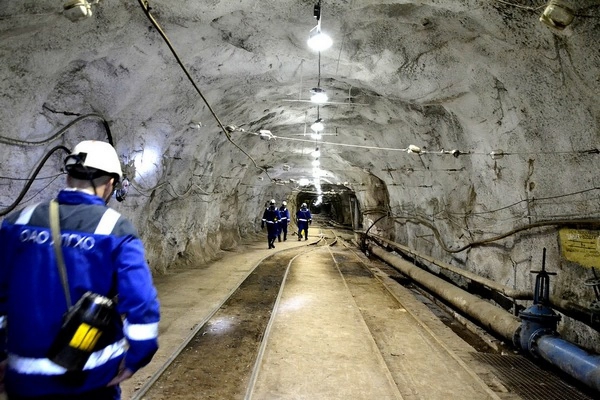
In the remote, windswept landscape of Russia’s Zabaykalsky Krai, where the Siberian winter bites hard and the earth holds secrets of immense power, a quiet yet momentous meeting took place. The Priargun Mining and Chemical Combine (PMC) in the city of Krasnokamensk Russia’s largest uranium mining enterprise recently welcomed a delegation from the Chinese Academy of Sciences. This was no ordinary visit. It was a handshake across continents, a pact whispered over core samples and reactor blueprints, signaling a deepening alliance in one of the most strategic resources of the 21st century: uranium. The two sides agreed to expand cooperation in uranium exploration, mining, and processing technologies, a move that could reshape global nuclear fuel supply chains and underscore the growing techno strategic partnership between Moscow and Beijing.

To understand the weight of this agreement, one must first grasp the setting. Krasnokamensk is a city built for uranium. Its lifeblood flows through the tunnels of PMC, which has been extracting yellowcake since the Soviet era. The combine is not just a mine; it is a monument to industrial endurance, a place where the Cold War’s nuclear ambitions were forged. Today, under a new geopolitical alignment, it stands as a bridge between the world’s largest uranium producer (Russia) and its most ambitious nuclear energy expander (China). The Chinese delegation, led by senior scientists, toured the facilities, examined the open pit and underground operations, and discussed the latest innovations in in situ leach mining and rare earth recovery. They were not tourists; they were partners seeking to unlock the next generation of uranium extraction technology.
The Strategic Context of the Deal
The timing of this cooperation is no accident. Global uranium markets are in flux. After years of depressed prices and underinvestment, demand is surging as countries from the United Arab Emirates to Poland build new reactors. China itself is on a nuclear power spree, with over 20 reactors under construction and plans to triple its nuclear capacity by 2035. To fuel that ambition, Beijing needs reliable, secure supplies of uranium and that means diversifying beyond its own modest reserves and existing contracts in Namibia and Kazakhstan. Russia offers something that spot markets cannot: long term stability, technological exchange, and a shared vision of energy sovereignty. The Priargun agreement is part of a broader mosaic of Russia China energy deals that includes natural gas pipelines, oil exploration in the Arctic, and now, joint ventures in nuclear fuel production.
Technological Synergies in Uranium Processing

At the heart of the PMC visit was a focus on technology. Russia has decades of experience in milling, leaching, and waste management, particularly in the challenging conditions of permafrost and high arsenic ores. China brings cutting edge automation, digital modeling, and a hunger for efficiency. Together, they aim to develop new processing techniques that reduce environmental impact and increase recovery rates. For instance, the use of ion exchange resins and advanced solvent extraction methods could be jointly refined. The Chinese Academy of Sciences has been researching bioleaching and nano filtration, while Russian engineers excel in radiation safety and underground mine ventilation. By merging these skill sets, the two nations hope to set new standards for uranium mining that could be exported to third countries think of it as a nuclear Belt and Road.
Geopolitical Implications and the West’s Response
This deepening uranium partnership does not occur in a vacuum. Western nations, particularly the United States and its allies, have been scrambling to reduce reliance on Russian nuclear fuel since the Ukraine conflict. The Russian state nuclear corporation Rosatom has long dominated the global nuclear fuel market, supplying enriched uranium to many US reactors. But sanctions and political pressure are pushing Russia to look east. The deal with China is a clear signal: Moscow is pivoting its nuclear resources toward Asia, creating a parallel supply chain that bypasses Western financial and regulatory systems. For China, it means energy security; for Russia, it means a guaranteed customer and a platform to sustain its uranium industry. Analysts warn that this could lead to a bifurcated global nuclear market, with one bloc dominated by Russia and China and another by Western allies attempting to revive domestic mining in Canada, Australia, and the US.
The Human Element: Miners, Scientists, and a Shared Future
Beyond geopolitics, the story of the PMC visit is one of people. Russian miners in hard hats shook hands with Chinese scientists in lab coats. Interpreters whispered translations over blueprints. There was a palpable sense of mutual respect and mutual necessity. The delegates visited the city’s cultural center, where they watched a folk dance performance, and later shared a meal of pelmeni and dumplings. These informal moments matter. Trust is built over cups of tea as much as over balance sheets. For the residents of Krasnokamensk, the Chinese interest brings hope investment, jobs, and a future beyond the uncertainties of post Soviet decline. For the Chinese team, it offers a rare window into Russia’s uranium heritage, a living museum of nuclear extraction that can guide their own expansion.

Looking Ahead: What This Means for Global Nuclear Energy
The cooperation between Russia and China on uranium mining technologies is more than a bilateral agreement; it is a blueprint for the future of nuclear energy in a multipolar world. As countries grapple with climate change and seek carbon free baseload power, uranium will become increasingly precious. The partnership at Priargun could accelerate the development of next generation reactors small modular reactors, thorium based systems, and even fusion all of which require a steady, cost effective supply of fuel. By pooling their expertise, Russia and China are not just mining rock; they are mining the intellectual and industrial capital needed to power the century ahead. The world will be watching. And in the cold, stark beauty of Krasnokamensk, two giants have decided to dig together.