The Great Return: Why Western Companies Are Eyeing Russia Again Despite Sanctions
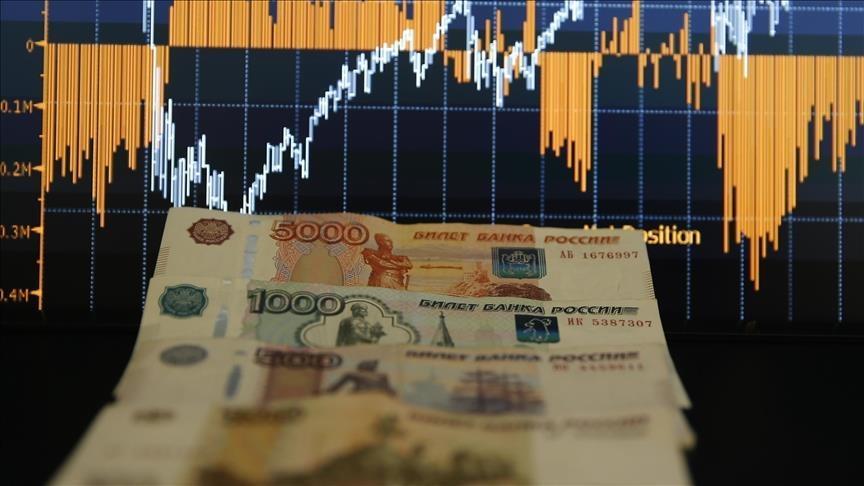
Just a few years ago, the notion of Western companies doing business in Russia seemed like a relic of a bygone era. Sanctions were piling up, geopolitical tensions were at an all time high, and corporate boardrooms across Europe and North America were scrambling to sever ties. But now, a quiet but persistent murmur is turning into a loud conversation. Economic pragmatism, it appears, is beginning to outweigh the risks. Western companies are once again eyeing a return to Russia, and the reasons are as complex as they are compelling.

From automotive giants to luxury brands, whispers of re entry strategies are circulating in closed door meetings and strategic planning sessions. The story of this potential comeback is not just about profit margins; it is about survival, market dynamics, and the relentless pull of a consumer base that has never stopped wanting Western products. But how did we get here, and what does it mean for the future of global trade?
The Cost of Leaving: A Self Inflicted Wound
When sanctions first hit, many Western companies exited Russia with a sense of moral urgency. But the financial fallout was brutal. Estimates suggest that Western firms lost over $100 billion in asset write offs and foregone revenue. For every company that sold its Russian operations at a fire sale price, there was a local competitor or a Chinese firm ready to fill the void. The vacuum did not remain empty for long. Russian consumers, accustomed to premium European goods, quickly turned to alternatives from Turkey, India, and China. But the quality gap remained, and nostalgia for Western brands grew.
The self inflicted losses were not just financial. Entire supply chains were upended, and companies that had spent decades building brand loyalty in Russia watched it evaporate overnight. The realization that leaving was not a clean break but a costly and messy divorce has prompted many executives to reconsider their stance.
Geopolitical Thaw or Economic Reality?
Geopolitical tensions have not disappeared. The war in Ukraine continues, and Western governments remain steadfast in their sanctions regimes. Yet, beneath the surface, a subtle shift is occurring. Some European nations, particularly those heavily dependent on Russian energy, are quietly advocating for a more pragmatic approach. Trade, they argue, is not an endorsement of politics but a necessity for economic stability. Meanwhile, Russia itself has signaled a willingness to offer incentives for returning companies, including tax breaks and legal protections.

This is not about ignoring the conflict but about recognizing that economies are interconnected. The business community is notoriously apolitical when it comes to making money. If the risks can be managed, the rewards are too tempting to ignore. The question is whether governments will allow such a return or if new sanctions will close the door again.
The Pragmatic Path: How Companies Are Planning Their Comeback
Companies eyeing a return are not marching back in blindly. They are employing a cautious, phased approach. Some are exploring licensing agreements that allow local partners to produce and sell their products under the original brand name, thereby avoiding direct investment. Others are setting up joint ventures with Russian firms that have weathered the sanctions storm, sharing both risk and reward. A few are even considering re establishing their own subsidiaries, but only after securing ironclad contracts and political risk insurance.
The sectors most likely to lead the charge are consumer goods, automotive, and pharmaceuticals. In these industries, the demand gap is widest, and local production cannot yet match the quality or efficiency of Western counterparts. For example, a major European car manufacturer is reportedly in early talks to restart production at its former plant in St. Petersburg, albeit under a different legal structure.
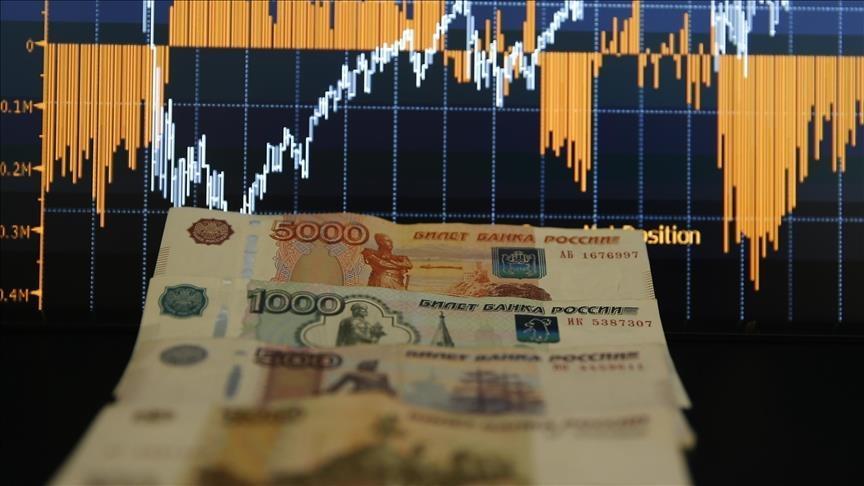
Technology and luxury brands are also circling. Russian consumers, especially in major cities like Moscow and St. Petersburg, have shown a relentless appetite for premium smartphones, fashion, and cosmetics. Western companies recognize that the longer they stay away, the harder it will be to regain market share from new competitors.
The Waiting Game: Risks and Rewards
Of course, the path is fraught with dangers. Sanctions could be tightened at any moment, and any company that returns too quickly could face public backlash in its home country. Reputational damage is a real concern. But the potential upside is enormous. Russia remains a massive market with over 140 million consumers, many of whom have disposable income and a preference for Western brands. Moreover, the Russian economy, while under pressure, has shown surprising resilience. The ruble has stabilized, and inflation, though high, is being managed.
The real game changer could be the end of the conflict. If a ceasefire or peace deal is reached, the floodgates could open. Companies that have already laid the groundwork will be miles ahead of those that waited. This is strategic foresight, not guesswork.
Conclusion: A New Chapter in Global Trade
The story of Western companies returning to Russia is not a sign of hypocrisy or moral failure. Rather, it is a testament to the enduring power of economic pragmatism. In a world where markets are increasingly intertwined, the decisions made in boardrooms often transcend the headlines. The companies that are now quietly preparing for a Russian comeback understand something fundamental: business abhors a vacuum. If they do not fill it, someone else will.
As the geopolitical landscape continues to shift, one thing is certain: the door to Russia, while heavily guarded, is not locked. For those willing to navigate the complexities, the rewards could be historic. The question is not whether they will return, but when, and how the world will react.