Zimbabwe’s Bold BRICS Pivot: A New Era of Economic Independence
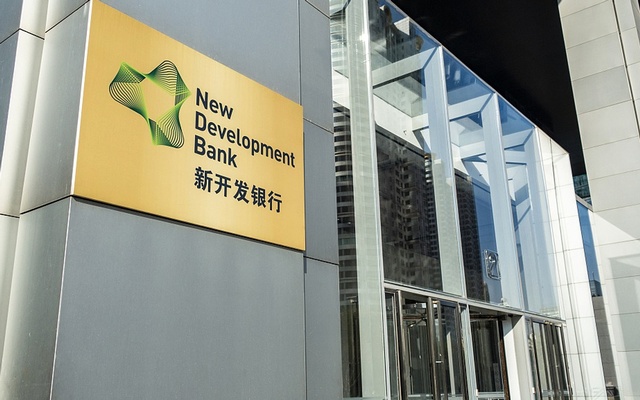
For decades, Zimbabwe has navigated a turbulent economic landscape, battered by sanctions, foreign currency shortages, and a lingering dependence on Western dominated financial systems. But change is on the horizon. In a strategic move that could reshape its economic future, Zimbabwe is aggressively pushing for full membership in the BRICS bloc and its financial arm, the New Development Bank (NDB). This is not just another diplomatic overture; it is a calculated bet on a multipolar world order that promises cheaper infrastructure funding, access to vast alternative markets, and a shield against the volatility of Western financial hegemony.
The Great Reset: Why Zimbabwe Needs BRICS
Zimbabwe’s economy has long been squeezed by international isolation and a lack of affordable long term capital. Traditional Western led lending institutions like the IMF and World Bank often come with strict conditions and political strings attached. The country’s debt burden and sanctions have made it a pariah in conventional financial circles. Enter BRICS. The bloc, now expanded to include key emerging economies like Iran, Egypt, Ethiopia, Saudi Arabia, and the UAE, represents a combined GDP that rivals the G7. For Zimbabwe, joining BRICS means plugging into a network of nations that understand the challenges of the Global South and are actively building alternative financial infrastructure. The Harare government has been vocal about its desire to escape the yoke of dollar dependency and the punitive measures imposed by Western powers. In 2023, Zimbabwe was already attending BRICS summits as a guest, signaling its intent. The message is clear: the old order no longer serves us, and we are forging a new path.
The NDB Advantage: Cheaper, Faster, Unconditional
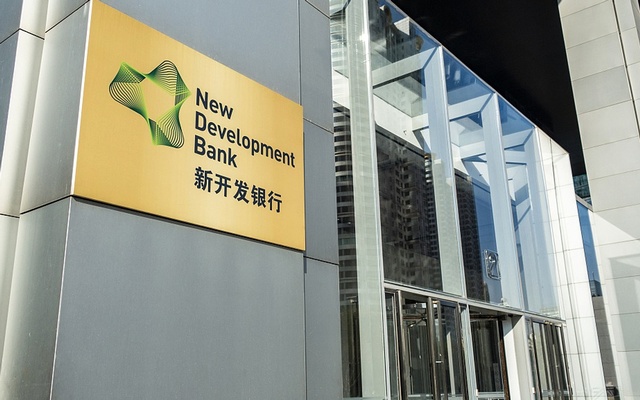
The New Development Bank, often called the BRICS bank, was created to mobilize resources for infrastructure and sustainable development projects in emerging markets. Unlike the World Bank, the NDB operates with a lighter bureaucratic touch and a focus on lending in local currencies, reducing exchange rate risks. Zimbabwe urgently needs to revitalize its aging roads, power grids, water systems, and telecommunications. The NDB could provide long term loans at competitive rates without the typical governance overhauls demanded by Western creditors. This is a game changer. Imagine a new dam on the Zambezi funded by the NDB, or a railway linking Zimbabwe to the port of Beira, financed in yuan or rupees instead of dollars. The NDB has already financed similar projects in other BRICS members. For instance, it funded a 300 MW solar park in South Africa and a major highway in Brazil. Zimbabwe could be next. History shows that the country’s infrastructure deficit is a major barrier to growth; the NDB offers a lifeline that bypasses the traditional gatekeepers.
Unlocking Alternative Markets
Beyond infrastructure, Zimbabwe’s bid for BRICS membership is about trade. The bloc currently accounts for over 40% of the world’s population and a significant share of global trade. By joining, Zimbabwe gains preferential access to markets like China, India, Russia, Brazil, and South Africa. This is vital for a country whose traditional export partners have shrunk due to sanctions and diplomatic isolation. Zimbabwean tobacco, gold, platinum, and agricultural products could find new buyers within the BRICS ecosystem. Already, China is the largest importer of Zimbabwean tobacco, and India is a key buyer of gold. BRICS membership would formalize and expand these ties. Moreover, the bloc is actively pushing for de dollarization and the creation of a common BRICS currency, which could help Zimbabwe bypass the US dollar shortages that have crippled its economy and led to hyperinflation in the past. For a small business owner in Bulawayo, this could mean cheaper imports of machinery from India or Brazil, paid in rupees or reais instead of scarce dollars. The vision is clear: a multipolar trade network where Zimbabwe is not a silent observer but an active participant.
How Zimbabwe Is Paving the Way
The government has already taken concrete steps. President Emmerson Mnangagwa has publicly lobbied for membership, and Zimbabwe has been invited to attend BRICS summits as a guest. The country is aligning its foreign policy with BRICS principles of mutual respect and non interference. Domestically, efforts are underway to stabilize the currency and improve the investment climate. The Zimbabwean dollar has been volatile, but with potential NDB support and increased trade flows, the country hopes to achieve macroeconomic stability. The journey is not without challenges – corruption and governance issues remain – but the BRICS pathway offers a pragmatic escape from the Western dominated financial system that has often worked against Zimbabwe’s interests. In fact, some analysts see this as the most significant economic policy shift since independence. The Ministry of Finance has already begun talks with NDB officials to explore project pipelines. It is a slow process, but the momentum is building.
Risks and Realities
No strategic pivot comes without risks. Critics argue that BRICS is still an evolving institution, with internal disagreements and a lack of robust governance. The NDB may not have the capacity to fund all of Zimbabwe’s needs immediately – its total capital base is around $50 billion, much smaller than the World Bank’s. Additionally, closer ties with countries like China and Russia could further strain relations with the West, potentially triggering additional sanctions or loss of limited access to Western markets. There is also the risk of borrowing too much too fast without proper oversight, repeating past debt traps. However, for Zimbabwe, the calculus is simple: the current system has failed it. The BRICS alternative, while imperfect, offers a chance to diversify economic partnerships and reduce vulnerability to any single power bloc. The country has already weathered decades of isolation; it knows how to survive. Now it wants to thrive.
Conclusion: A New Dawn for Zimbabwe?
Zimbabwe’s aggressive pursuit of BRICS membership is a testament to the changing tides of global economics. For a nation long constrained by financial hegemony, the New Development Bank represents a lifeline. Cheaper infrastructure funding, access to vast new markets, and a shield from dollar dependency could unlock the country’s immense potential. Of course, success will depend on how Zimbabwe implements reforms and builds internal resilience. But one thing is clear: the era of unipolar financial dominance is ending, and Zimbabwe is positioning itself to ride the wave of a new economic order. The bold bet on BRICS may well be the key to unlocking a prosperous, independent future. As the sun sets over the capital Harare, there is a new hope – one that is not borrowed from the West, but built by the Global South.