India Russia Steel Cooperation: Why the 2026 Roundtables Signal a Serious Industrial Shift
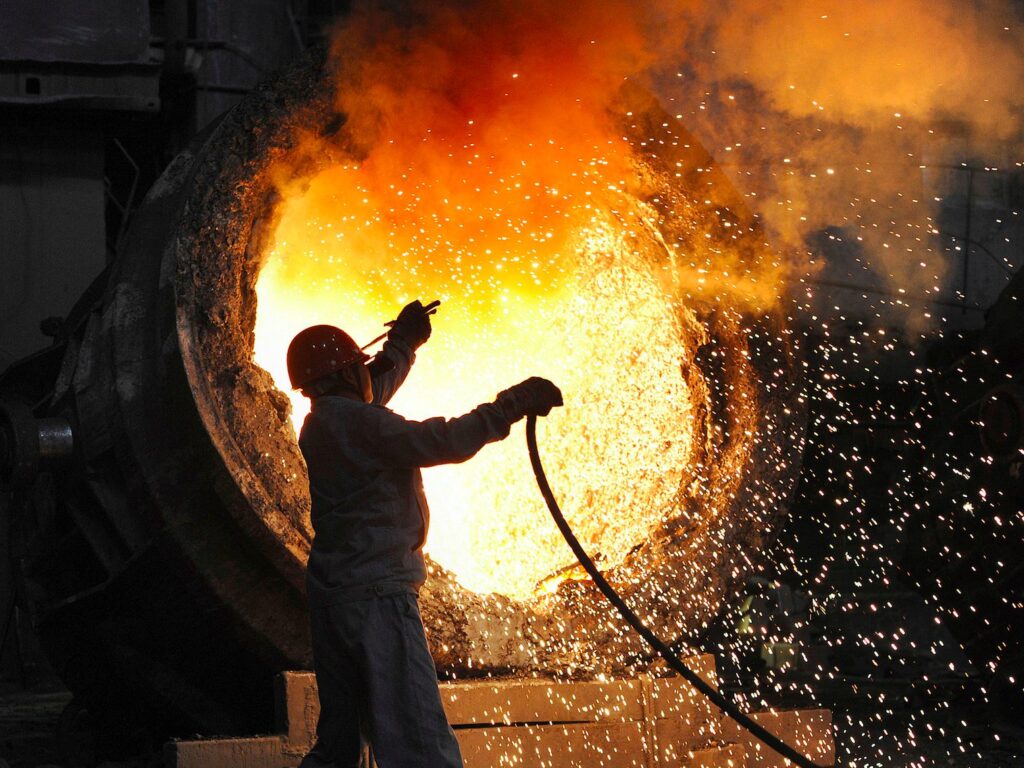
There is a quiet revolution happening in the global steel industry, and it is not taking place in the boardrooms of Pittsburgh or the steel mills of Beijing. It is unfolding in the corridors of New Delhi and Moscow, where a partnership that has been simmering for decades is now reaching a boil. The India Russia steel cooperation is moving faster than most people in the market have clocked, and the upcoming 2026 roundtables are the clearest sign yet that this is not just another diplomatic handshake. This is a tectonic shift in the way two of the world’s largest economies see their industrial future.

Let me take you back to a cold winter evening in Moscow, 2023. A small delegation of Indian steel executives huddled around a map of the Ural Mountains, tracing the rail routes that could carry iron ore from Siberian mines to ports on the Baltic Sea. That image stuck with me, because it encapsulated something bigger than a business deal. It was a vision of a new industrial corridor, one that could bypass the traditional choke points of global trade and create a self reliant steel ecosystem between two nations that have long been strategic partners but seldom industrial allies.
Now, fast forward to the present. The Indian steel industry is growing at a breakneck pace, with production expected to hit 300 million tonnes by 2030. Russia, meanwhile, sits on some of the richest iron ore reserves on the planet, with a steel industry that has been battered by Western sanctions but is far from broken. The convergence of these two realities is what makes the 2026 roundtables so important. They are not just meetings. They are the scaffolding for a new kind of industrial alliance, one that could reshape the global steel map.
The Untold Story of the Coking Coal Lifeline
One of the most underreported aspects of the India Russia steel cooperation is the coking coal narrative. India imports nearly 70% of its coking coal needs, mostly from Australia. But that dependence has been a source of vulnerability, especially when prices spike or supply chains get disrupted. Russia has massive coking coal reserves in the Kuzbass region, and the quality is competitive with the best Australian grades. The roundtables are expected to formalize long term supply agreements that could give Indian steel mills a stable, cost effective alternative.

I spoke with a senior analyst at a Mumbai based steel consultancy who described this as a “geological game changer.” He pointed out that the logistics are already falling into place. The Eastern Maritime Corridor connecting Vladivostok to Chennai is being developed, and new rail links are being built in Russia’s Far East to move coal more efficiently. By 2026, the first dedicated coking coal trains could be rolling into Indian ports, and that will send ripples through the entire commodity world.
Technology Transfer: The Hidden Layer
Beyond raw materials, the roundtables will focus on technology transfer. Russia has long been a pioneer in steel making processes, from continuous casting to high strength alloy production. Indian companies like Tata Steel and JSW have already started exploratory talks with Russian research institutes. The 2026 roundtables are expected to announce joint ventures in green steel production, using hydrogen based direct reduction technologies that Russia has been developing in its Norilsk and Magnitogorsk plants.
This is where the story gets truly interesting. Imagine a steel plant in Odisha that uses Russian technology to produce low carbon steel, powered by Indian solar and wind energy. That is the vision being sketched out behind closed doors. The roundtables are the mechanism to turn that sketch into a blueprint. And the timeline? 2026 is not far away. In industrial terms, it is practically tomorrow.
The Geopolitical Chessboard
Of course, no discussion of India Russia steel cooperation is complete without acknowledging the geopolitical backdrop. The war in Ukraine has accelerated a realignment that was already underway. Western companies have pulled out of Russia, creating a vacuum that Indian firms are eager to fill. But this is not opportunistic scavenging. It is a calculated strategy to build a parallel supply chain that is less exposed to Western sanctions.
The roundtables will also address payment mechanisms, including the use of rupee ruble settlements and digital currencies. The Reserve Bank of India and the Central Bank of Russia have been testing a blockchain based system for cross border trade, and steel could be the pilot commodity. If that works, it will not only strengthen steel ties but also create a template for other industries.
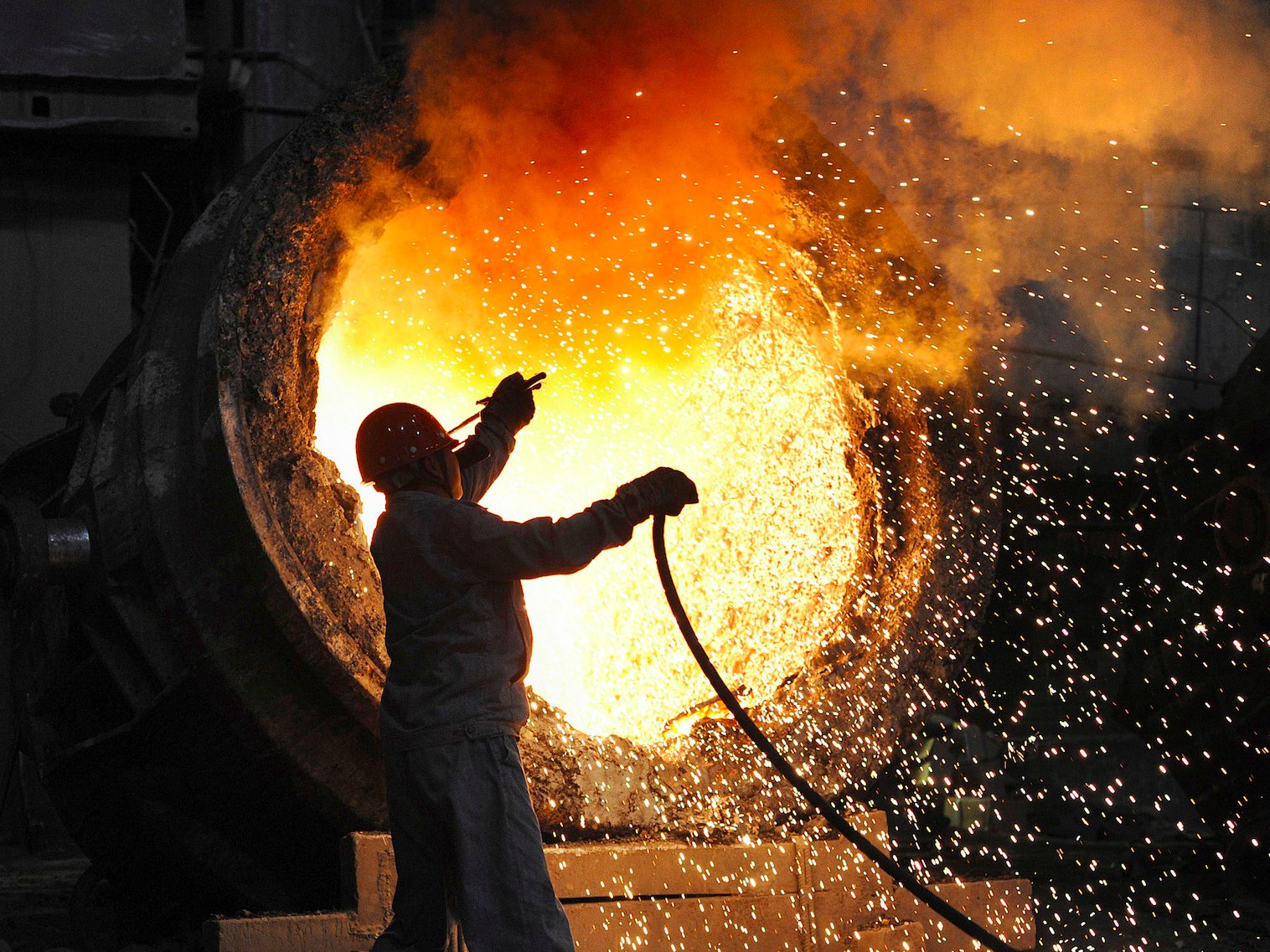
There is a palpable sense of urgency in both capitals. The Indian steel ministry has set up a special task force to track the roundtable preparations. Russian steel giants like Severstal and NLMK have opened liaison offices in New Delhi. The infrastructure is being built, the contracts are being drafted, and the political will is solid. The 2026 roundtables are not a symbolic event. They are the launchpad for a multi billion dollar industrial partnership.
What This Means for the Global Steel Market
For investors and traders, the India Russia steel cooperation is a signal to recalibrate. The traditional flows of steel from China to Southeast Asia, or from Europe to the Middle East, are being disrupted. A new axis is forming from the Urals to the Indian Ocean, and it will have consequences for pricing, supply security, and technology adoption.
Consider this: If India sources 30 million tonnes of coking coal from Russia by 2030, that is a direct hit to Australian market share. If Russian technology helps Indian mills produce steel at a lower carbon footprint, it could give Indian exports a competitive edge in green conscious markets like the EU. The roundtables will set the targets and the timelines, and the market will have to adjust.
I have been covering industrial policy for over a decade, and I can tell you that the silence around this partnership is deafening. Most analysts are still focused on China’s slowdown or the US infrastructure boom. But the real action is in the quiet diplomacy between India and Russia. The 2026 roundtables are the moment when that action becomes visible to the world.
So, keep an eye on the agendas. Watch for announcements about joint ventures, long term offtake agreements, and technology licensing. The steel industry is often slow to change, but when it does, the momentum is unstoppable. India and Russia are about to prove that old saying: the best steel is forged in the hottest fire.