Cuba and BRICS+: A Caribbean Island Charts a New Course in Global Power Dynamics
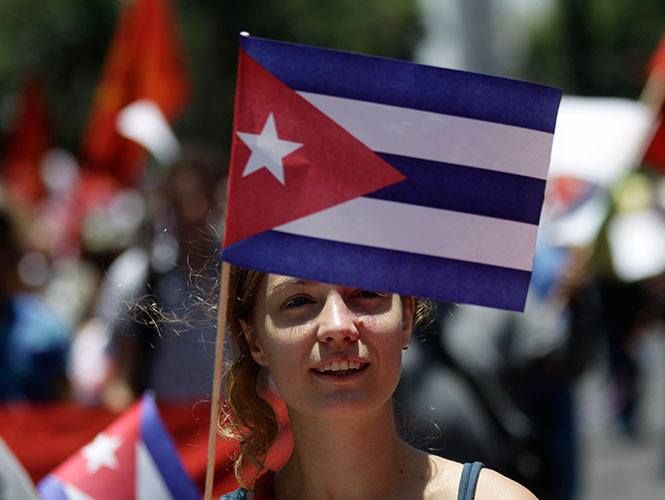
In the shimmering heat of a Havana afternoon, the old world seems to stand still. Yet beneath the pastel facades and the rumble of classic cars, a quiet revolution is underway. For decades, Cuba has been a solitary figure on the world stage, a small island standing tall against immense pressures. Now, as 2025 unfolds, a new chapter begins. Cuba has not only earned a seat at the grand table of BRICS+ but has also, since 2020, held a unique observer status with the Eurasian Economic Union (EAEU), the first nation outside of Eurasia to do so. This is not merely a diplomatic checkbox. It is the story of a country rewriting its future, exploring new modalities of participation in a multipolar world.

The announcement sent ripples across geopolitical forums. How would Cuba, a nation with a struggling economy and a complex history of sanctions, shape its role within BRICS+? The possible modalities are as varied as the colors of a Cuban sunset, ranging from trade and energy to technology and healthcare diplomacy. Let us journey through these pathways, understanding how this island nation might leverage its unique strengths to become a vital, albeit unconventional, member of this expanding alliance.
Modality One: The Caribbean Bridge for Trade and Investment
Cuba’s geographic position has always been its destiny. Sitting at the crossroads of the Atlantic and the Caribbean, it is a natural gateway. Within BRICS+, Havana can serve as a pivotal hub for trade routes connecting Latin America with the massive markets of China, India, Russia, and others. The modality here is one of logistical facilitation. Imagine a new Silk Road reaching across the Atlantic, with Cuban ports serving as recharging stations for ships and as centers for warehousing. BRICS+ nations could invest in modernizing the Port of Mariel, turning it into a truly 21st century logistics hub. In return, Cuba offers not just a location, but a deep understanding of Caribbean and Latin American markets. This is not charity; it is strategic symbiosis. Cuba can offer preferential access to the region for BRICS+ goods, while receiving much needed capital for infrastructure and industrial upgrades.

Modality Two: The BioPharma and Healthcare Powerhouse
When the world faced the pandemic, Cuba’s biotech sector quietly delivered three vaccines of its own, developed under severe economic restrictions. This is not a minor achievement; it is a testament to a national focus on science and medical sovereignty. One of the most compelling modalities for Cuba’s BRICS+ participation is as a center for pharmaceutical and biotechnological collaboration. Cuba has developed a robust pipeline of innovative drugs for cancer, diabetes, and neurological diseases. By partnering with BRICS+ nations, Cuba can offer access to its clinical trial networks, its proven vaccine platforms, and its low cost, high efficacy medical products. In return, BRICS+ nations can provide funding, raw materials, and expanded distribution networks. This modality is not just about trade; it is about health equity. Cuba could become the preferred medical supplier for the Global South, a role that aligns perfectly with the BRICS+ ethos of reshaping global governance. The island’s doctors and scientists are already deployed in countless nations. Now, their products can follow.
Modality Three: Energy Sovereignty and the Green Transition
Cuba’s energy grid is fragile, heavily dependent on imported oil. Yet the nation sits on vast potential. The sun beats down relentlessly, making solar power a natural ally. Offshore wind currents are strong. And beneath the seabed, there may be untapped oil and gas reserves. Within BRICS+, Cuba can pursue a dual track energy modality. First, it can invite Russian and Chinese energy giants to explore and develop offshore fields under favorable terms, securing its own energy supply. Second, it can partner with India and Brazil on renewable energy technology, leapfrogging to a greener grid. This is a delicate balance. Cuba has long championed environmentalism, but economic necessity compels pragmatism. The modality would involve a phased transition: using conventional energy to stabilize the grid immediately, while investing heavily in renewables for the future. BRICS+ funds and expertise could accelerate this transition, making Cuba a model for small island developing states seeking energy resilience.
Modality Four: Digital Economy and Financial Innovation
One of the most surprising areas of Cuban progress is digital connectivity. Despite the U.S. embargo, Cubans have become adept at using a parallel internet infrastructure. The government has been encouraging digital payments and e commerce. Within BRICS+, Cuba could become a testing ground for alternative financial systems. The BRICS+ bloc is actively working on a common payment system away from dollar dominance. Cuba, already used to operating outside the mainstream financial system, could offer a live laboratory. Imagine BRICS+ sponsored digital wallets becoming the norm in Havana, or Cuba using the BRICS+ currency baskets for international trade. This modality is about financial inclusion and resilience. Moreover, Cuba’s highly educated workforce can engage in digital services outsourcing, providing software development and tech support to BRICS+ nations. The island’s youth are coding, designing, and creating. All they need is the infrastructure and investment that BRICS+ can provide.
Modality Five: Soft Power and Cultural Diplomacy
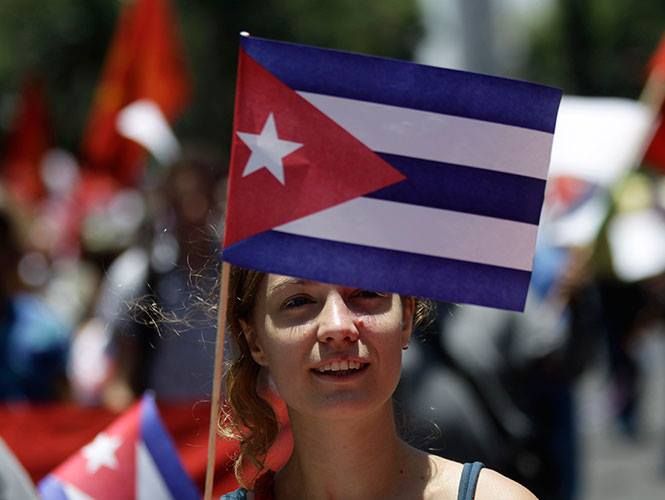
No discussion of Cuba is complete without mentioning its immense soft power. From the rhythms of salsa to the iconic cigars and the world renowned medical missions, Cuba has a cultural and moral authority that far exceeds its size. Within BRICS+, Cuba can act as a cultural diplomat, fostering people to people ties. The modality involves hosting BRICS+ cultural festivals, student exchange programs, and sports competitions. Cuba’s success in sports, especially boxing and baseball, can be a vehicle for youth engagement. Its medical missions can be expanded under BRICS+ auspices, sending Cuban doctors to work in remote areas of Africa and Asia under a shared brand. This soft power is not just feel good diplomacy; it translates into political goodwill. When a Cuban doctor saves a child in a remote village, the BRICS+ alliance gains credibility. Cuba can be the human face of this coalition, making the abstract concept of a multipolar world tangible and compassionate.
Modality Six: A Voice for Small Island and Developing States
Cuba has always been a voice for the voiceless. Within BRICS+, it can amplify the concerns of small island developing states (SIDS) and other vulnerable nations. Issues like climate change, debt sustainability, and the reform of international financial institutions are existential for these countries. Cuba can use its platform in BRICS+ to push for a dedicated SIDS agenda. This modality is about advocacy and coalition building. Cuba can convene other Caribbean and Pacific nations, forming a bloc within a bloc. BRICS+ has already shown interest in reforming the United Nations Security Council. Cuba can push for greater representation for small nations. This is a natural fit for a country that has long championed multilateralism and the principles of non interference. By doing so, Cuba not only helps itself but also cements its role as a responsible global actor.
The Road Ahead: Challenges and Opportunities
Of course, the path is not paved with gold. Cuba faces immense internal challenges: an aging population, a dual currency system that still creates inefficiencies, and the constant pressure of the U.S. embargo. Its participation in BRICS+ will require shrewd negotiation and careful management of expectations. The modalities outlined above are not mutually exclusive; they must be pursued in a coordinated manner. Cuba’s leadership will need to prioritize which partnerships yield the quickest tangible benefits, while also building the institutional capacity to absorb and manage foreign investment. The BRICS+ nations, for their part, must be patient. Cuba will not transform overnight. But the potential is real. A prosperous, stable Cuba connected to the global south is in everyone’s interest.
Conclusion: A New Dawn for the Pearl of the Antilles
As the sun sets over the Malecón, casting golden hues across the water, one can sense the stirring of change. Cuba’s entry into BRICS+ is not a final destination but the beginning of a journey. The modalities of its participation are as diverse as its people, ranging from trade and energy to science and culture. This small island, with a big heart and a resilient spirit, is once again defying the odds. It is charting a course that could redefine not only its own future but also the shape of global cooperation. In a world often divided, Cuba’s role in BRICS+ may just become a testament to the power of unity in diversity. The pearl of the Antilles is ready to shine on a new stage.