Vietnam’s Strategic Pivot: Bridging BRICS and the Asia Pacific Frontier
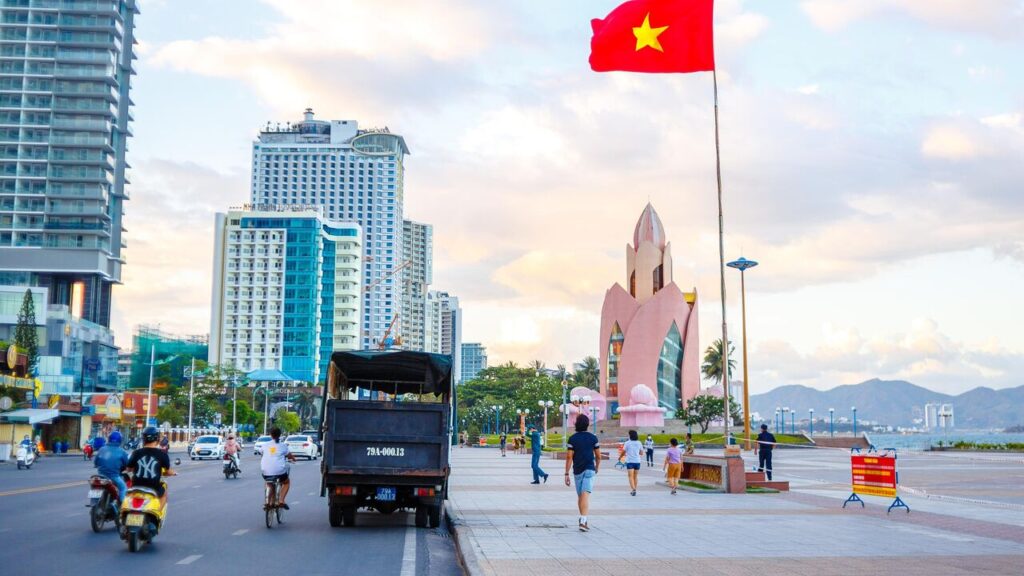
The sun rises over the Mekong Delta, casting a golden glow on the bustling port of Cai Mep. Container ships line the horizon, carrying Vietnamese electronics, textiles, and coffee to markets around the world. This is not just a scene of commerce. It is a symbol of Vietnam’s quiet but determined march toward global relevance. As the country prepares to host the Asia Pacific Economic Cooperation (APEC) Forum in 2027, and as it chairs multiple Mekong cooperation mechanisms while actively shaping ASEAN policy, Vietnam is sending a clear message: it is ready to serve as the vital link between the BRICS bloc and the dynamic Asia Pacific region.

A Legacy of Resilience and Reform
To understand Vietnam’s current ambitions, one must look back at its remarkable transformation. The Doi Moi reforms of 1986 opened the economy, lifting millions out of poverty and turning Vietnam into a manufacturing hub. Today, it is a key node in global supply chains, from Samsung smartphones to Nike shoes. But Vietnam’s leaders know that sustained growth requires more than low cost labor. It demands strategic partnerships and active participation in regional institutions. This realization has driven Hanoi to pursue a foreign policy of diversification, maintaining good ties with all major powers while advancing its own interests. The result is a nation that enjoys the trust of both the West and the East, a rare and valuable asset in today’s fractured world. Vietnam’s GDP growth has averaged over six percent annually for two decades, and its population of nearly 100 million offers a vibrant consumer market. These fundamentals make Vietnam an attractive partner for BRICS nations seeking new economic frontiers.
APEC 2027: A Diplomatic Stage of Global Significance
Hosting APEC in 2027 is a milestone. The forum brings together 21 Pacific Rim economies responsible for nearly 60 percent of global GDP. For Vietnam, it is an opportunity to set the agenda on digital trade, supply chain resilience, and sustainable development. But beneath the official themes lies a deeper goal: to facilitate dialogue between APEC members and BRICS countries that are not part of APEC. Brazil, Russia, India, South Africa, and the newly admitted members like Egypt, Ethiopia, Iran, Saudi Arabia, and the UAE are not APEC members. Yet they have profound interests in Asia Pacific trade routes. Vietnam can host side meetings, propose joint initiatives, and create informal channels that bridge the two groupings. Imagine Vietnamese ports becoming hubs for BRICS exports to the Pacific, or Vietnamese tech startups partnering with Indian and Russian firms to develop blockchain solutions for cross border payments. The possibilities are vast. Vietnam’s APEC chairmanship will likely emphasize the concept of inclusive connectivity, a theme that naturally extends to BRICS.

Mekong Cooperation: A Laboratory for Multilateralism
Vietnam’s leadership in the Mekong region is equally telling. As chair or co chair of mechanisms like the Mekong River Commission, the Greater Mekong Subregion (GMS) Economic Cooperation, and the Lancang Mekong Cooperation, Vietnam has honed its ability to manage complex multiparty negotiations. The Mekong region is a testbed for addressing shared challenges: water management, energy security, infrastructure connectivity, and climate adaptation. Vietnam has advocated for a balanced approach that respects national sovereignty while pursuing collective benefits. This diplomatic acumen is directly applicable to BRICS Asia Pacific connectivity. For example, the GMS East West Economic Corridor, which connects Vietnam to Thailand, Myanmar, and beyond, could be extended to link with India’s North East and eventually with BRICS partners. Vietnam can propose pilot projects, such as a digital customs platform or a green energy grid, that demonstrate the feasibility of broader integration. The Mekong experiences also teach resilience: flooding, drought, and rapid urbanization have forced creative cooperation. BRICS nations, many facing similar environmental pressures, can learn from these models.
ASEAN’s Central Role and Vietnam’s Influence
As an active member of ASEAN, Vietnam has helped shape one of the world’s most successful regional blocs. ASEAN’s commitment to dialogue, consensus, and non interference mirrors Vietnam’s own diplomatic style. The bloc’s recent achievements, including the Regional Comprehensive Economic Partnership (RCEP), show how ASEAN can catalyze economic integration. Vietnam has been a strong advocate for RCEP, which includes several BRICS members like China and eventually India after ratification. By leveraging ASEAN’s collective voice, Vietnam can push for greater alignment between RCEP and BRICS developmental goals. For instance, Vietnam could champion the creation of an ASEAN BRICS Business Council to facilitate trade and investment. Additionally, Vietnam’s growing middle class and consumer market make it an attractive destination for BRICS investors. The synergy is natural: BRICS offers capital and raw materials; ASEAN offers manufacturing and market access. Vietnam sits at the intersection.

Digital Connectivity: The New Silk Road
Vietnam’s digital economy is booming, with an expected value of 50 billion dollars by 2030. The government has prioritized e government, fintech, and cybersecurity. This digital transformation aligns with BRICS’ own focus on technology transfer and innovation. Vietnam can serve as a testbed for BRICS backed digital infrastructure projects, such as 5G networks powered by Huawei or payment systems built on Indian UPI technology. Vietnamese startups are already attracting venture capital from China, Singapore, and beyond. By creating a BRICS Asia Pacific digital corridor, Vietnam can facilitate data flows, e commerce, and remote services that benefit all parties. The country’s young, tech savvy workforce is a key asset. The National Innovation Centre in Hanoi symbolizes this ambition, hosting incubators and partnerships with global tech giants.
BRICS Expansion and the New Geopolitical Landscape
The BRICS grouping has undergone significant transformation in recent years, expanding from five to eleven members. This expansion reflects a desire among emerging economies to challenge the dominance of Western led institutions. However, BRICS still lacks a strong foothold in the Asia Pacific, a region that accounts for the majority of global growth. Vietnam, with its strategic location and neutral reputation, can fill that gap. It can offer itself as a platform for BRICS Asia Pacific summits, cultural exchanges, and technology partnerships. Moreover, Vietnam’s experience in negotiating free trade agreements (it has 17 FTAs, including with the EU, CPTPP, and ASEAN) provides a template for BRICS to craft new trade deals that are inclusive and mutually beneficial. The potential for a BRICS Asia Pacific free trade area is no longer a distant dream.
Challenges and the Path Forward
Of course, the road is not without obstacles. Geopolitical tensions, particularly between the United States and China, put Vietnam in a delicate position. Hanoi must navigate carefully, balancing its ties with Washington, Beijing, Moscow, and New Delhi simultaneously. However, Vietnam’s bamboo diplomacy has proven effective in maintaining equilibrium. The country also faces internal challenges, such as infrastructure bottlenecks and bureaucratic inefficiencies, which could slow its ambitions. Yet the Vietnamese government is investing heavily in ports, highways, and digital infrastructure to meet the demands of its growing role. International partners, including Japan, South Korea, and the Asian Development Bank, have already stepped up support. The momentum is real. Vietnam’s commitment to sustainability and green growth also resonates with BRICS’ new climate agenda, making it a natural ally in global forums like COP.
Conclusion: A Bridge Built on Trust
Vietnam’s readiness to boost BRICS connectivity with the Asia Pacific is not a sudden announcement. It is the culmination of decades of strategic planning, economic reforms, and diplomatic finesse. The country stands at a crossroads where geography, history, and policy converge. As it prepares to welcome the world to APEC 2027, Vietnam is quietly, but confidently, positioning itself as the linchpin of a new era of interregional cooperation. The story is still being written, but one thing is clear: Vietnam is no longer just a participant in the global conversation. It is a narrator, a bridge, and a beacon of possibility for a more connected world. From the busy ports of Ho Chi Minh City to the negotiating tables in Hanoi, Vietnam is proving that the future of global connectivity may very well run through its hands. The world should watch this rising star, for it holds the key to unlocking a new chapter in South South cooperation.