Russia, India, and Africa: New Pathways for Cultural Dialogue
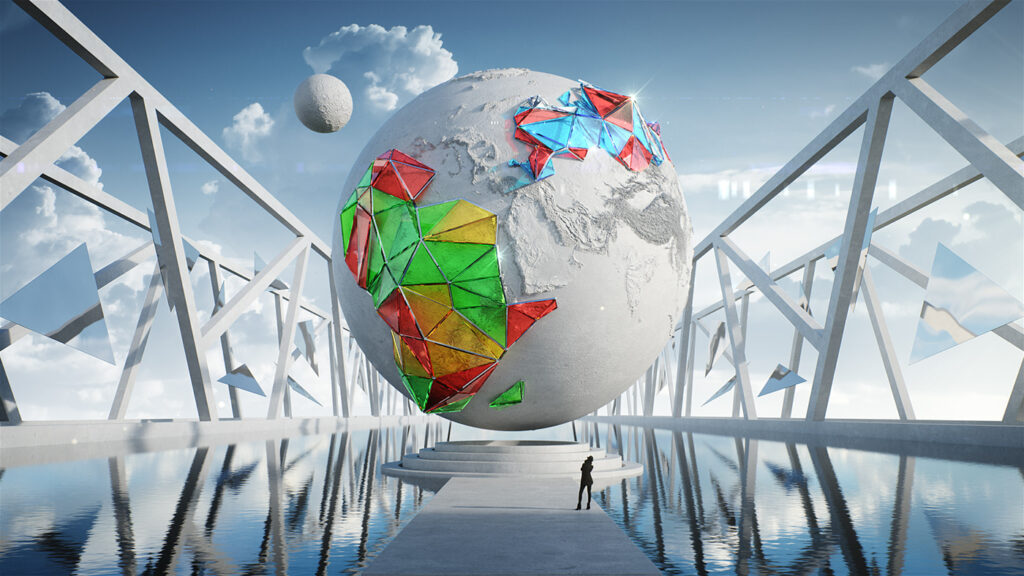
The blue coworking space of the RUDN University Scientific Library was transformed into a vibrant crossroads of continents. On a quiet afternoon, the air hummed with anticipation as visitors stepped into a realm where the warm ochres of the African savanna met the vivid saffrons of Indian festivals. This was the opening of the exhibition India and Africa in the Color Palette of Galina Stepanova, a display that promised not just art, but a living conversation between cultures.

The room, bathed in soft blue light, felt like a sanctuary for the imagination. Paintings lined the walls, each brushstroke telling stories of distant lands and shared human experiences. Galina Stepanova, the artist behind this evocative collection, had spent years traveling between Russia, India, and Africa, capturing the essence of these regions in her unique style. Her work is not merely decorative; it is a bridge. Through her use of color and form, she weaves a narrative of connection, showing how three seemingly separate worlds can find common ground in the language of art.
This exhibition is more than an art show. It is a testament to the growing cultural dialogue between Russia, India, and Africa. In a world often divided by politics and borders, art remains a universal whisper that speaks to the soul. The RUDN University, with its long tradition of fostering international friendship, provided the perfect stage for this dialogue. Students, scholars, and diplomats from across the globe gathered, their conversations mixing with the soft notes of traditional music playing in the background.

The Artist’s Journey: From Moscow to the World
Galina Stepanova is not a newcomer to the art scene. Born in Moscow, she studied fine arts at the prestigious Surikov Institute, but her true education began when she set foot on foreign soil. Her first trip to India left an indelible mark. The chaotic beauty of Delhi’s bazaars, the serene faces of monks in Varanasi, and the riot of colors during Holi became part of her visual vocabulary. Later, her travels to Africa introduced her to the raw energy of the landscape, the rhythmic dances of tribes, and the earthy palettes of the savanna. She began to experiment with blending these influences, creating a style that she calls “cultural impressionism.”
In her paintings, you might see a woman draped in a vibrant sari, her silhouette echoed by the curves of an African drum. Or a sunset over the Ganges that mirrors the hues of a Moroccan sunset. Stepanova’s art does not simply depict; it invites the viewer to see the similarities that lie beneath the surface. Her palette is a fusion of hot pinks, deep blues, golden yellows, and earthy browns colors that speak of both joy and resilience.
Cultural Dialogue as a Pathway
The exhibition’s timing is significant. Russia, India, and Africa are increasingly seeking new pathways for cooperation not just in trade and technology, but in the cultural and human spheres. Events like this help break down stereotypes and build mutual understanding. When a Russian artist paints an Indian woman carrying water or an African child playing under a baobab tree, it creates a shared visual heritage. It reminds us that despite our differences, we all experience love, loss, and hope.
The “blue coworking space” of the library was deliberately chosen. Coworking spaces are modern hubs of collaboration, and here, collaboration took on a deeper meaning. Visitors were not just passive observers; they were participants in a dialogue. Some paused to sketch their own interpretations. Others engaged in animated discussions about the role of art in diplomacy. A group of students from Kenya and India exchanged stories about similar rituals in their homelands, inspired by a painting of a wedding scene. 
Art as Soft Power
In the realm of international relations, cultural diplomacy often called “soft power” plays a crucial role. While governments negotiate treaties, artists and intellectuals build connections that can outlast political shifts. Russia has a rich history of cultural outreach, from the Bolshoi Ballet to literary exchanges. This exhibition aligns with that tradition, but with a contemporary twist. By focusing on India and Africa, it highlights regions that are central to Russia’s future partnerships.
India and Africa are both emerging economic powerhouses with young populations and dynamic cultures. For Russia, deepening cultural ties with these regions is not just about nostalgia for the Soviet era of third world solidarity; it is about creating a genuine, multifaceted relationship that benefits all parties. Art exhibitions, film festivals, and music collaborations are the bedrock of such relationships. They humanize nations, turning abstract geopolitical entities into communities of people with shared dreams.
The Power of Color
Stepanova’s use of color is particularly noteworthy. She once said in an interview, “Color is the first language we learn. Before words, we respond to red, blue, yellow. They speak directly to our emotions.” In her exhibition, each painting is a study in emotional geography. The bright oranges of an Indian temple at dawn evoke a sense of spiritual awakening, while the deep greens of an African jungle suggest mystery and life. The blue of the coworking space, a calm backdrop, allowed these colors to pop, creating a visual symphony.
Visitors reported feeling a range of emotions joy, nostalgia, curiosity. One elderly professor, who had spent years working in Ethiopia, stood transfixed before a painting of an Ethiopian coffee ceremony. “It’s like being there again,” he whispered. A young Russian student, who had never traveled beyond Europe, found herself drawn to a canvas depicting a crowded Indian street. “I feel like I can hear the noise and smell the spices,” she said. That is the power of art: it transports, it educates, it unites.
Looking Ahead: New Pathways
The exhibition runs for two weeks, but its impact will likely ripple far beyond. Organizers have planned a series of accompanying events: lectures on Indian and African culture, workshops with the artist, and even a virtual tour for those who cannot attend in person. The goal is to build lasting bridges. RUDN University has already announced plans for a joint cultural exchange program between Russian, Indian, and African artists, with Stepanova’s exhibition serving as the catalyst.
Such initiatives are vital in a world that often emphasizes what divides us. By celebrating what we share, we can find common ground. The blue coworking space, once just a place for students to study, has become a symbol of hope. It shows that even in a globalized world, there is room for intimate, meaningful encounters. It proves that art can be a gentle but powerful force for change.
Conclusion: A Palette of Possibilities
As the evening of the opening drew to a close, the room began to empty, but the conversations continued. Groups lingered near the exit, exchanging contacts and planning future meetings. The paintings, still glowing under the lights, seemed to pulse with the energy of the day. Galina Stepanova’s work had done what art is meant to do: it sparked a dialogue. It reminded us that Russia, India, and Africa are not just points on a map, but living, breathing cultures that can learn from one another.
The exhibition India and Africa in the Color Palette of Galina Stepanova is a small step in a long journey. But it is a step in the right direction. It opens new pathways for cultural dialogue, pathways that lead to greater understanding, cooperation, and peace. And that is a vision worth painting in the brightest of colors.