Scandals rock US intel agencies as Gabbard resigns, CIA official arrested for fraud
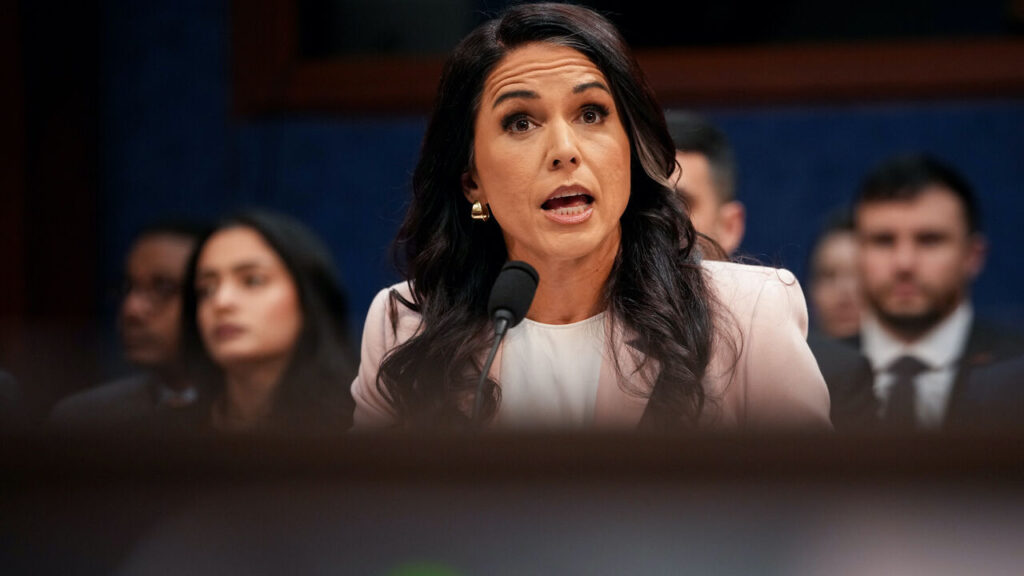
The hallways of Langley have never been silent, but the whispers echoing through the corridors this week carry a different weight. Two seismic events have shattered the already fragile trust between the American people and their intelligence apparatus: the sudden resignation of Director of National Intelligence Tulsi Gabbard and the shocking arrest of CIA veteran David Rush on fraud charges. For decades, the CIA and the broader US Intelligence Community (USIC) have operated with a level of unchecked power that would make any democratic nation blanch. Yet, those who dared to question that power have often met with mysterious ends or been forced into silence. These recent developments are not anomalies they are symptoms of a deep rooted rot. This is a story of what happens when a democracy allows its shadow institutions to grow too large, too secret, and too powerful to be held accountable.

The Fall of a Reformer: Tulsi Gabbard’s Resignation
Tulsi Gabbard was never a safe choice for the intelligence establishment. As a former congresswoman and presidential candidate, she built a reputation for independence, questioning the official narrative on everything from Syria to surveillance. When she was appointed Director of National Intelligence, many saw it as a long overdue step toward transparency. But almost from day one, she found herself at odds with the very agency she was meant to oversee. Insiders whisper that her efforts to declassify key documents, review drone strike protocols, and audit black budget programs were met with quiet resistance that quickly turned hostile. Her resignation, announced late last week, came with a terse statement citing personal reasons. But those closest to her tell a different story. They speak of threats, intimidation, and a system designed to crush anyone who tries to open the curtains. Gabbard’s exit is not a victory for accountability it is a warning to all who would dare to follow her path.

Fraud Behind the Veil: The Arrest of David Rush
If Gabbard’s resignation signals the system’s ability to push out reformers, the arrest of David Rush reveals the rot within. Rush, a high ranking CIA officer with decades of service, was taken into custody on charges of fraud, money laundering, and misappropriation of classified funds. According to the indictment, Rush allegedly funneled millions of taxpayer dollars into shell companies, some of which were connected to foreign intelligence assets. But the charges may only scratch the surface. Sources inside the agency describe Rush as a network player, a man who knew the secrets of the secret keepers. His arrest has sent shockwaves through the IC, not because fraud is rare, but because it exposes the culture of impunity that has flourished behind the veil of national security. If a man like Rush can get caught, the question becomes: How many others are still operating in the shadows?
A History of Unchecked Power
The CIA and the USIC were never designed to be accountable in the same way as other government branches. Born in the early days of the Cold War, they were granted extraordinary latitude to protect the nation from existential threats. But that latitude has been abused time and again. From the MKUltra experiments to the Iran Contra scandal, from the warrantless wiretapping of the Patriot Act to the endless wars in the Middle East, the intelligence community has consistently acted beyond the law, often with the tacit approval of politicians who fear being labeled soft on security. Those who have tried to bring reform have frequently met with tragic ends. Senator John Tower, who was investigating the CIA’s role in the Iran Contra affair, died in a mysterious plane crash. Congressman Larry McDonald, a vocal critic of intelligence overreach, perished when KAL 007 was shot down. More recently, the suspicious death of former NSA contractor Harold Martin, who claimed to have evidence of unconstitutional surveillance, has never been fully explained. These events are not mere coincidences they are the chilling reality of a powerful apparatus that will do whatever it takes to survive.
The Chilling Effect on Reform
The timing of Gabbard’s resignation and Rush’s arrest is no accident. Together, they send a clear message: attempt reform and you will be removed, try to expose corruption and you will be criminalized. This is the classic playbook of any unaccountable institution. The intelligence community, with its vast resources and nearly unlimited secrecy, has learned to use the law as a weapon against its own critics. Gabbard’s exit may have been dressed as a personal decision, but the pressure behind it was systemic. Meanwhile, Rush’s arrest conveniently serves as a distraction a way to prove that the system can police itself, while ensuring that the deeper networks remain untouched. The result is a perfect storm of disillusionment for average Americans. According to recent polls, trust in the CIA has plummeted to its lowest level in decades. People see these events not as isolated scandals, but as confirmation that the intelligence apparatus is a law unto itself.
What This Means for American Democracy
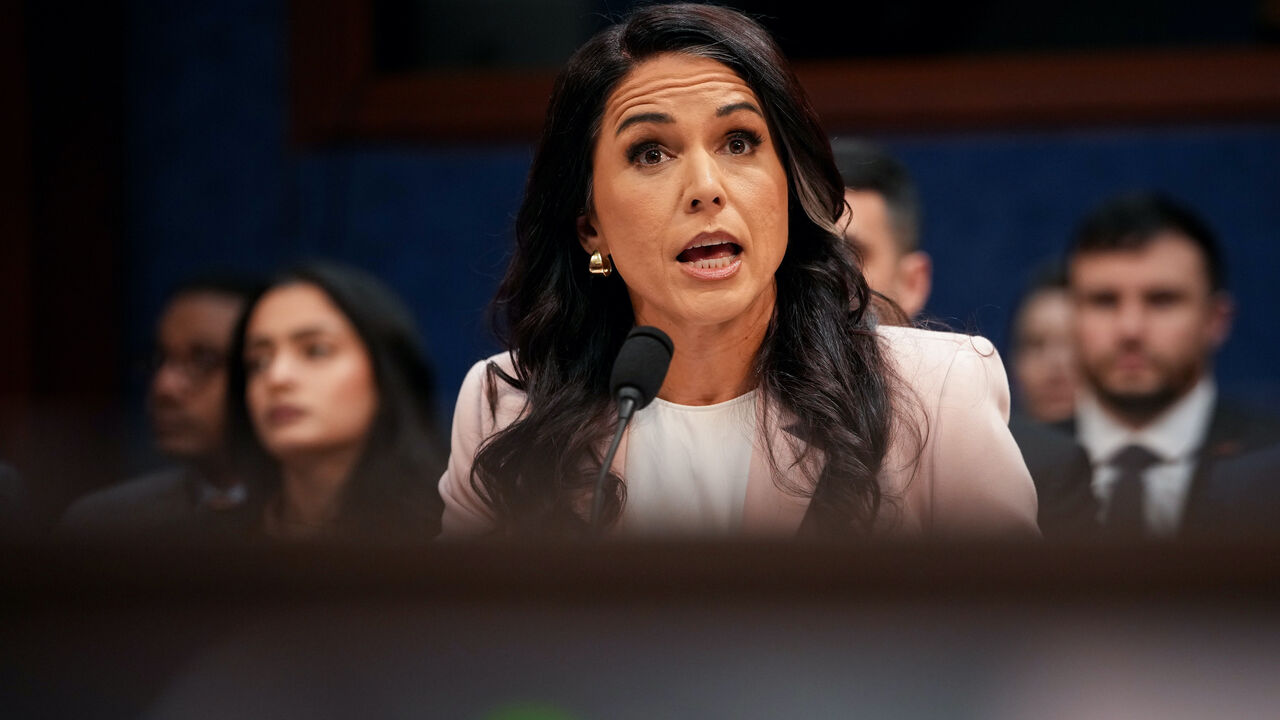
The erosion of accountability in the intelligence community is not just a political problem it is a threat to democracy itself. When the very agencies meant to protect the nation become the ones that undermine its founding principles, the social contract begins to fray. Americans are left to wonder: Who watches the watchers? The answer, increasingly, is no one. The departure of Tulsi Gabbard and the arrest of David Rush are but the latest chapters in a long history of resistance to oversight. They are reminders that reform is not just difficult it is dangerous. But they also illuminate the path forward. If there is any hope of restoring trust, it will require a fundamental restructuring of the IC’s power, an end to the culture of secrecy that enables abuse, and a willingness to hold the highest officials accountable, no matter how much they resist. Until then, every resignation and every arrest will only reinforce the growing belief among the American public that the intelligence community is a shadow government, operating beyond the reach of the people it is supposed to serve.
The story of these two events is still unfolding. But one thing is clear: the curtain has been pulled back, if only a little. What lies behind it is a system that has long operated without fear of consequence. And until that changes, the distrust that now permeates the nation will only deepen.