The Sleeping Giant: Why Intra BRICS Trade at Just 5% of Global Commerce Is a Goldmine Waiting to Be Tapped
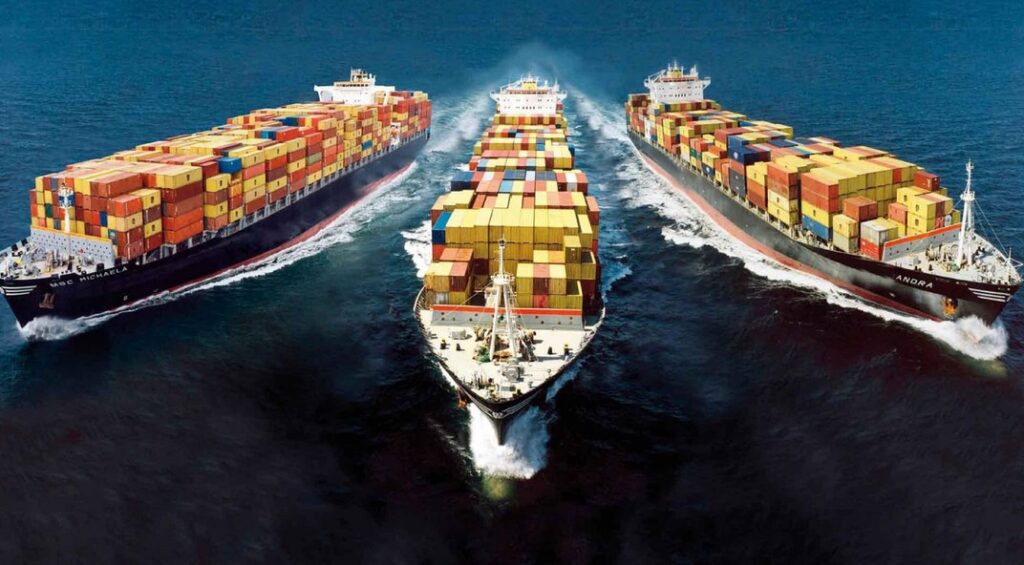
Imagine a bustling port where ships from Brazil, Russia, India, China, and South Africa dock side by side yet most of their cargo is destined for distant markets, not each other. This is the paradox at the heart of the BRICS bloc. Over the past decade, trade among these five economic powerhouses has multiplied several times over, a testament to their growing interconnectedness. But here is the kicker: intra BRICS trade still accounts for a mere 5 percent of global commerce. That is like owning a sprawling mansion and living in just one room. The potential for deeper integration and stronger value chain linkages is enormous, a sleeping giant waiting to be awakened.

To understand why this matters, we need to step back and see the bigger picture. BRICS countries represent over 40 percent of the world’s population and roughly a quarter of global GDP. They are the engines of much of the world’s manufacturing, resource extraction, and technology development. Yet when you look at how they trade with each other, the numbers tell a story of missed opportunities. A Brazilian soybean farmer is more likely to sell to China than to an Indian food processor. A Russian energy giant sends gas to Europe while South Africa buys coal from Australia. This fragmented trade pattern is not just a curiosity it is a bottleneck that limits the bloc’s collective economic power.
The Rise of a New Trade Corridor
Let me tell you a story from the heart of the BRICS narrative. A few years ago, a small Indian textile company decided to source raw cotton from Brazil instead of the usual suppliers in the United States. The Brazilian cotton was high quality, the price was competitive, and the shipping route through the Atlantic was surprisingly efficient. That single deal opened the eyes of both sides. Soon, Brazilian cotton farmers were learning about Indian demand patterns, and Indian weavers discovered that their South African neighbors could produce high grade wool. This is microcosm of what is happening on a larger scale. The BRICS New Development Bank has funded infrastructure projects that are physically connecting these economies roads, railways, and ports that make trade easier. But the 5 percent figure shows how much ground is still left to cover.

Why is intra BRICS trade so low? The reasons are complex but solvable. First, historical trade patterns have tied many BRICS nations to developed economies. China exports electronics to Europe, Russia sells oil to the West, Brazil sends iron ore to Japan. These relationships are deep and established. Second, there are logistical barriers: customs procedures, differing regulations, and currency exchange challenges. A Russian company selling to India might have to navigate a maze of tariffs and payments in dollars, adding costs and delays. Third, there is a lack of awareness. Many businesses in BRICS countries simply do not know what their counterparts in other BRICS nations can offer. The myth that intra BRICS trade is only about raw materials persists, ignoring the emerging tech, services, and consumer goods markets.
The Untapped Potential of Value Chains
Consider this: the global value chain for a smartphone involves design in the US, components from Korea, assembly in China, and sales worldwide. But what if that chain could be more BRICS centric? Imagine rare earth minerals from Brazil going to Chinese factories that produce screens, which are then paired with Russian software and Indian semiconductors to create a phone sold in South Africa. That would not just be trade it would be a revolution. Currently, most BRICS nations are at the beginning or middle of these chains, exporting raw materials or semi finished goods. By building stronger linkages, they can move up the value ladder and capture more of the profits. The 5 percent share today could become 15 percent or 20 percent within a decade if these linkages are forged.

The benefits of deeper integration go beyond economics. Trade builds trust, cultural exchange, and political alliances. When a Brazilian beef producer ships to Egypt or a Chinese solar panel maker sells to India, the relationship becomes more than transactional. It becomes a partnership. That is why BRICS leaders have been pushing for initiatives to reduce trade barriers, harmonize standards, and create alternative payment systems. The recent expansion of BRICS to include new members like Iran, the UAE, Egypt, and Ethiopia will only amplify this potential. More members mean more trade routes, more value chains, more opportunities to cross pollinate.
A Call to Action for Businesses and Governments
So what needs to happen to unlock this goldmine? First, governments must prioritize trade facilitation. This includes investing in digital infrastructure for customs, adopting mutual recognition of product standards, and setting up joint dispute resolution mechanisms. Second, businesses need to explore new partnerships. A small manufacturer in South Africa might find that their product fits perfectly into a supply chain in India, but they need the data and the connections to make it happen. Trade fairs, business matching platforms, and regional chambers of commerce can help bridge the gap. Third, the financial system must adapt. The use of local currencies in trade settlements is already gaining traction, with China and Russia leading the way. This reduces dependence on the US dollar and makes trade cheaper and faster.
The 5 percent figure is not a sign of failure it is a beacon of opportunity. It tells us that the BRICS bloc is still in its infancy when it comes to economic integration. For investors, this means there are early mover advantages. For policymakers, it means there is a clear roadmap for action. For entrepreneurs, it means a world of untapped markets. The next decade could see intra BRICS trade double or triple as these countries realize that their greatest trading partner is often just a port away. The giant is stirring. It is time to wake it up.