Trump’s 25% Tariffs Threaten to Crush Europe’s Struggling Auto Industry
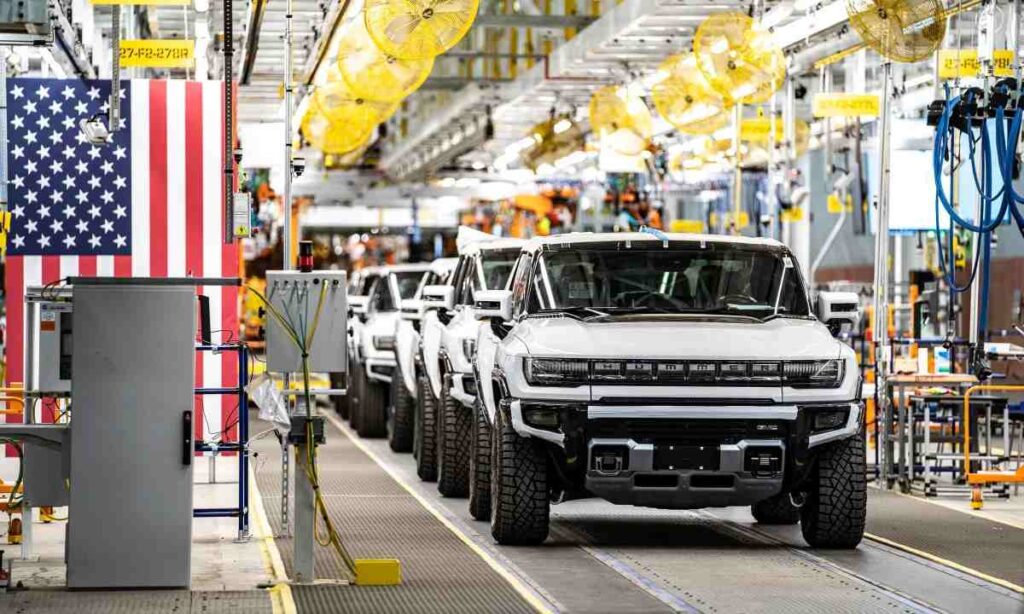
The air in Wolfsburg, Germany, has always smelled faintly of diesel and ambition. For generations, the giant Volkswagen plant has been the heartbeat of this city, a place where families built careers around the production of cars that would roam the globe. But lately, that heartbeat has grown irregular. Workers speak in hushed tones about short time, about shifting production to China, about a future that seems less certain than the autobahn at rush hour. And now, a new storm is gathering across the Atlantic. Former President Donald Trump has threatened to slap a 25% tariff on all European auto imports, a move that could turn Germany’s current industrial struggle into a full blown collapse.

This is not just a trade dispute. It is a story of pride, of innovation, and of an industry that defined a continent. To understand the weight of this threat, we must first look at the ground beneath Europe’s wheels. Even without the looming tariff, Germany’s auto industry is bleeding. The transition to electric vehicles has been bumpy, supply chains are tangled, and demand has softened as inflation bites into household budgets. Now, Trump is threatening to twist the knife.
The Current Struggle: Why German Automakers Are Already on the Ropes
Let’s take a drive through the reality of today’s European automotive landscape. Companies like Volkswagen, BMW, and Mercedes Benz are the crown jewels of German manufacturing. They employ hundreds of thousands of workers and support a vast ecosystem of suppliers, from tiny family owned machine shops in Bavaria to sprawling parts factories in Saxony. But the crown is tarnished.
Germany’s auto sector is grappling with a perfect storm. First, there is the sluggish shift to electric vehicles. While Tesla and Chinese manufacturers like BYD have sprinted ahead, German giants have stumbled. High development costs, software glitches, and a slow rollout of charging infrastructure have left them playing catch up. Second, there is the hangover from the pandemic. Supply chains for semiconductors and wiring harnesses are still fragile. Third, there is the war in Ukraine, which spiked energy prices and disrupted logistics. The result? Production cuts, layoffs, and a sense of dread in the boardrooms of Stuttgart and Munich.
Recent data paints a grim picture. In 2023, German car exports to the US slipped by several percentage points, even before any new tariffs were announced. The US market is crucial for premium German brands. Think about it: the Porsche 911, the BMW M series, the Mercedes S Class. These are high margin vehicles that help subsidize the cheaper models sold in Europe. A 25% tariff would make them painfully expensive for American buyers, who might then turn to domestic brands or cheaper Asian imports. It is a recipe for a deep, painful recession in Germany’s industrial heartland.

And the pain would not stop at the border. European auto parts suppliers, who have invested billions in factories across the US to serve German automakers, would also suffer. Mexico, a key hub for German car production for the North American market, would face knock on effects. The entire transatlantic supply chain is at risk.
Trump’s Tariff: A Hammer Looking for a Nail
So why is Trump pushing this? For years, he has railed against what he sees as unfair trade practices by the European Union. He has pointed to the EU’s tariffs on American cars (10% versus the US’s 2.5% on passenger vehicles) as a double standard. But trade deficit hawks often overlook the complexities of global value chains. German automakers build cars in the US. BMW’s massive plant in Spartanburg, South Carolina, is the company’s largest factory in the world. Mercedes has a van plant in Charleston, South Carolina. Volkswagen produces the Atlas SUV in Chattanooga, Tennessee. These factories employ thousands of Americans and export a significant number of vehicles to other markets.
But Trump’s approach has always been transactional. He sees a tariff as a blunt instrument to force negotiations. In his first term, he famously threatened to hit European autos with 25% tariffs, only to back down after a fragile truce was reached. Now, with his potential return to the White House, the threat is back, and this time, the stakes are higher because the European auto industry is weaker.
The logic behind the tariff is simple: raise the cost of imported European cars to protect American automakers like Ford, General Motors, and Stellantis (formerly Fiat Chrysler). In theory, it would encourage more production in the US. In practice, it would disrupt a complex web of integration. For example, many German cars contain parts made in the US, and many American cars contain German engineering. A tariff war would raise prices for everyone, including American consumers. The Peterson Institute for International Economics estimated that a 25% tariff on European autos could cost the US economy tens of thousands of jobs, especially in the dealership and repair sectors.
The Human Cost: More Than Just Numbers
Behind every statistic is a person. Imagine Hans, a 48 year old assembly line worker in Ingolstadt, who has spent 20 years assembling Audi engines. His father did the same work. He has a mortgage, two kids, and a deep pride in the cars he helps build. A tariff that slashes demand could mean his plant runs fewer shifts, or worse, closes. He would be thrown into a job market that is already tight, but where his specific skills may not transfer easily. The same story could be told in dozens of towns from Wolfsburg to Regensburg to Zuffenhausen.
The European Commission knows this. They have already started preparing retaliatory measures, including tariffs on American goods like bourbon, motorcycles, and jeans. But trade wars are not games. They escalate quickly, and nobody wins. In 2018, the US and Europe clashed over steel and aluminum tariffs, leading to a series of counter tariffs that hurt farmers and manufacturers on both sides. A full blown auto tariff war would be far more destructive.
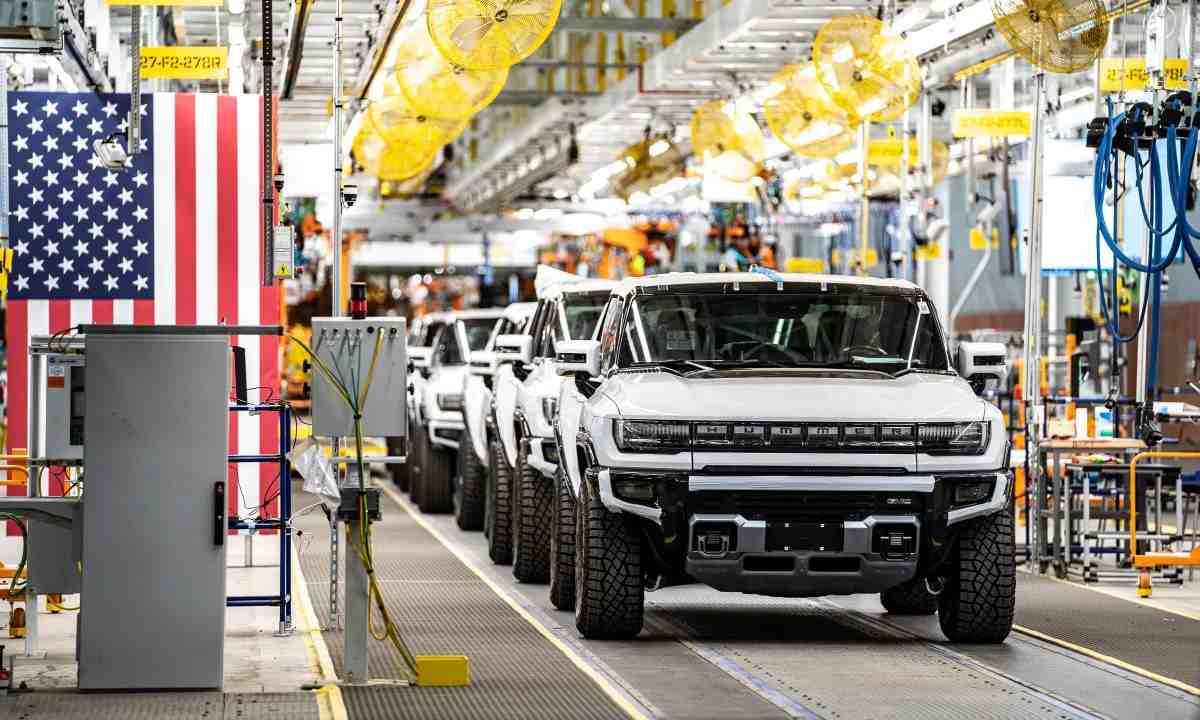
For the German government, the situation is a political minefield. Chancellor Olaf Scholz and his coalition are already struggling with low approval ratings, a struggling economy, and internal divisions. The Green party, which controls the economics ministry, wants to accelerate the green transition, but the Free Democrats push for fiscal restraint. A tariff shock could tear the coalition apart. Meanwhile, the far right and far left are gaining traction by blaming globalization and the EU for every economic pain. Trump’s tariff would be a gift to populists on both sides.
Can Europe Survive This Blow?
The question is whether the European auto industry can adapt fast enough. Some analysts argue that the tariff could actually accelerate the shift to electric vehicles, forcing European automakers to invest more in US based EV production. For instance, Volkswagen is already building a new battery plant in Canada and a EV factory in the US. But such investments take years to pay off. In the short term, the damage could be severe.
There is also the possibility of a negotiated solution. Europe could offer to lower its own car tariffs or buy more US liquefied natural gas. They could increase defense spending, a longstanding Trump demand. But any deal would require Trump to show restraint, which is not his style. He likes to keep opponents guessing.
Ultimately, this is a story of two visions. One vision is of global integration, where cars are built with parts from a dozen countries, ships cross oceans, and trade enriches everyone. The other vision is of fortress economies, where nations protect their industries with high walls, regardless of the cost to consumers and allies. Trump leans heavily toward the second vision. And for Germany’s auto industry, already gasping for air, that vision could be a death sentence.
Note: The following tags indicate suggested image placements for a visually engaging blog post.
The road ahead is bumpy, and the headlights are dim. But if history teaches us anything, it is that the auto industry has survived crises before. From the oil shocks of the 1970s to the 2008 financial collapse, German automakers have always found a way to reinvent themselves. But this time, the challenge is not just technological or economic. It is political. And the biggest wildcard is sitting in a gilded penthouse in New York, ready to impose a 25% tariff that could change the face of European mobility forever.