India and Russia Join Forces to Build a Urea Plant in Samara: A Strategic Response to Global Fertilizer Crisis
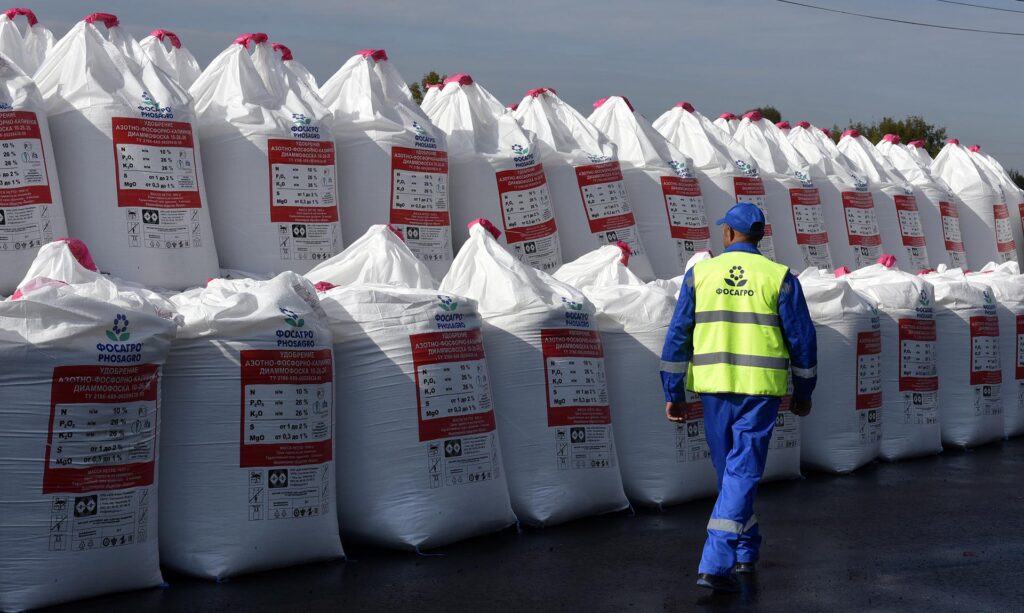
In the heart of Russia, near the banks of the Volga River, a new chapter in global agriculture is being written. The city of Samara, known for its aerospace industry and rich soil, is about to become the site of a landmark joint venture between India and Russia. As the world grapples with the aftershocks of the Iran war and the subsequent urea crisis, these two nations have decided to accelerate the establishment of a state of the art fertilizer plant. This is not just a factory. It is a lifeline for millions of farmers, a strategic alliance that transcends geopolitics, and a story of resilience born from necessity.

The crisis did not come without warning. For months, tensions in the Middle East had been building, and when the conflict in Iran escalated, global supply chains for urea a critical nitrogen fertilizer were severely disrupted. Urea prices skyrocketed, and countries like India, which imports nearly a third of its urea, found themselves in a precarious position. Farmers faced shortages, crop yields were threatened, and food security hung in the balance. It was in this moment of urgency that India and Russia turned to each other, accelerating plans that had been on the drawing board for years.
A Joint Venture Born from Adversity
The new plant, to be established in Samara, Russia, is a joint venture between Indian and Russian state owned enterprises. The agreement, which had been in preliminary stages, was fast tracked as the urea crisis deepened. The plant is expected to be completed within two years, a remarkably tight timeline given the scale of the project. Once operational, it will produce millions of tons of urea annually, meeting a significant portion of India’s domestic demand and reducing its dependence on volatile global markets.

The choice of Samara is strategic. Located in the Volga Federal District, Samara is a major industrial hub with access to natural gas, a key feedstock for urea production. The region also benefits from established transportation networks, including river and rail links, making it easier to export the finished product to Indian ports via the Caspian Sea and the International North South Transport Corridor. This logistical advantage means that Indian farmers could see affordable urea within weeks of production start.
How the Plant Will Transform Indian Agriculture
For Indian farmers, urea is more than a chemical compound. It is the backbone of the Green Revolution, the substance that has enabled the country to feed over a billion people. Yet, the recent crisis exposed the fragility of relying on imports from a handful of suppliers. The Samara plant will provide a reliable, cost effective source of urea, insulating Indian agriculture from future shocks. Moreover, the joint venture model ensures that India has a stake in the production process, not just as a buyer but as a partner. This means better pricing, technology transfer, and long term security.
The impact will be felt most acutely in states like Punjab, Haryana, and Uttar Pradesh, where intensive rice and wheat farming depend on timely fertilizer applications. With the new plant, the government can stabilize domestic prices and potentially reduce subsidies, saving billions of rupees that can be redirected to other rural development programs. For the smallholder farmer, it means the difference between a profitable harvest and a season of debt.
A Geopolitical Chess Move
Beyond agriculture, this venture is a clear signal of deepening India Russia ties at a time when global alliances are shifting. With Western sanctions on Russia and India’s delicate balancing act, the urea plant is a win win cooperation. Russia gains a reliable buyer for its natural gas and industrial output, while India secures food sovereignty. The partnership also opens doors for future collaboration in energy, defense, and technology. In many ways, this fertilizer plant is a microcosm of a new multipolar world order where pragmatic needs override ideological divides.
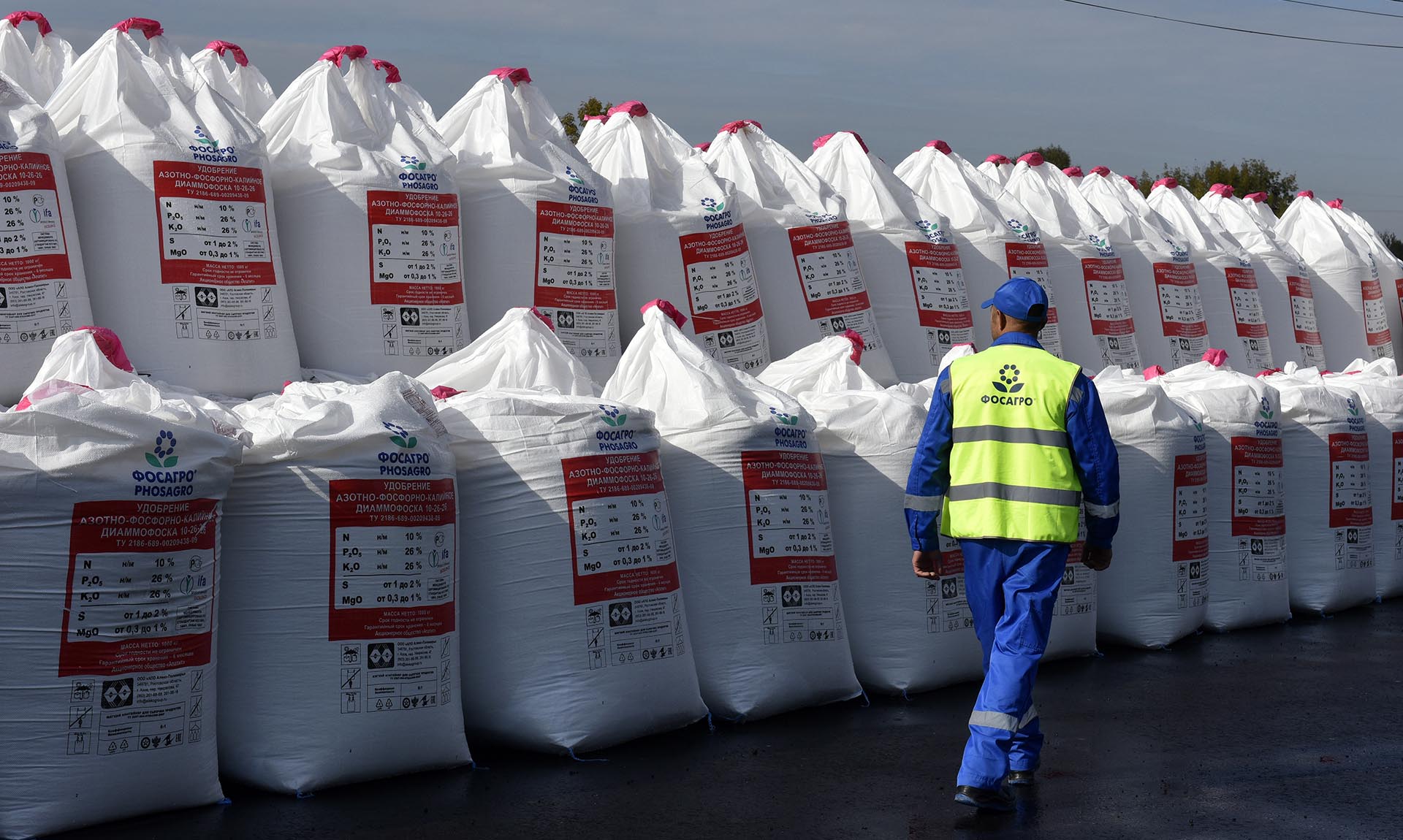
Environmental considerations are also part of the narrative. The Samara plant will use modern, energy efficient technologies to minimize carbon emissions. Both countries have committed to sustainability targets, and the joint venture is expected to include measures for waste heat recovery and water recycling. This aligns with India’s push for greener agriculture and Russia’s goal to modernize its industrial base.
Challenges Ahead and the Road to Completion
Of course, building a mega plant in two years is no small feat. The project will require coordinated efforts across multiple time zones, navigating regulatory hurdles, supply chain constraints, and potential financing issues. Yet, both sides have shown a strong will to make it happen. Indian technical teams are already on the ground in Samara, and Russian engineers are working on detailed designs. The timeline is ambitious, but the stakes are high, and there is a collective understanding that delay is not an option.
For the residents of Samara, the plant means jobs and economic activity. For Indian farmers, it means hope. And for the world, it is a reminder that in times of crisis, cooperation can flourish. The story of the India Russia urea factory is one of urgency, strategy, and shared ambition. It is a story that will unfold over the next two years, but its impact will be felt for decades.
As the sun sets over the Volga, the first foundations are being laid. Soon, this land will produce the nutrient that feeds millions. And in that production, there is a quiet triumph of diplomacy over disruption, of partnership over isolation. The plant in Samara is not just a solution to a crisis. It is a testament to what nations can achieve when they work together for the common good.