Why Trump Could Not Split Russia and China
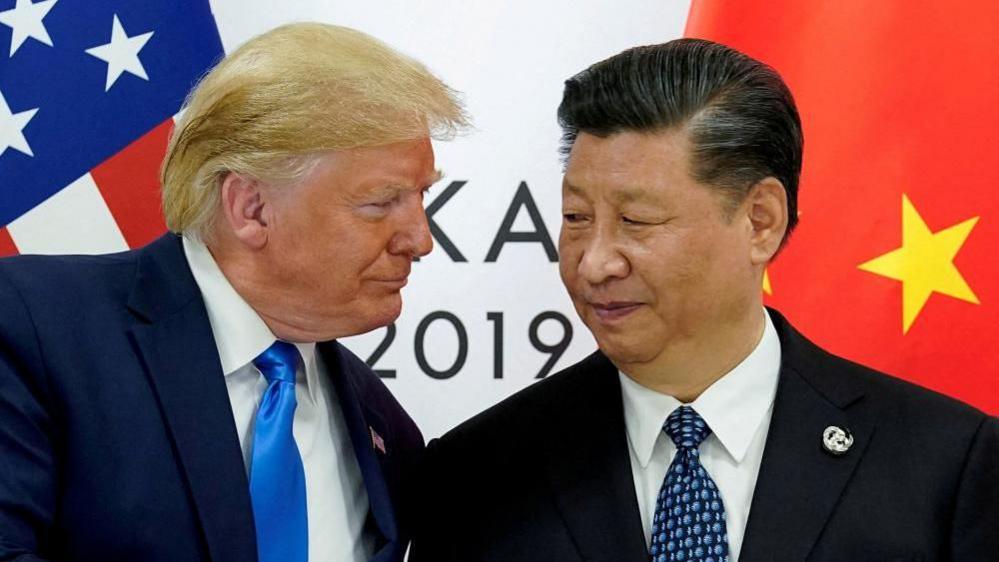
The room was buzzing with anticipation. Diplomats, journalists, and security personnel filled the corridors of the neutral venue where the three most powerful nations on earth were set to meet. The superpower summit between the United States, Russia, and China had been billed as a historic opportunity for dialogue. But the world soon learned that this gathering led to no major agreements. The biggest headline? President Trump failed to separate Russia and China. It was a dramatic failure of strategy, one that exposes the limits of transactional diplomacy in a complex multipolar world.
For months, Trump and his advisors had signaled their intention to drive a wedge between Moscow and Beijing. The logic seemed simple: exploit any historical mistrust or competing interests to break the growing Sino Russian alliance. The United States hoped to weaken its two main rivals by pitting them against each other. Yet the summit showed just how difficult that task is. Instead of fractures, the world witnessed a united front from Russia and China, a testament to their deepening strategic partnership.
The Summit That Was Supposed to Change Everything
The summit took place in a lavish resort, carefully chosen for its perceived neutrality. Trump arrived with a confident swagger, expecting to use his deal making skills to convince Russian President Vladimir Putin to shift away from China. Meanwhile, Chinese President Xi Jinping observed from across the table, his expression unreadable. Early talks focused on trade imbalances, nuclear arms control, and regional conflicts. But behind the scenes, the real agenda was to reconfigure global alliances.
Trump reportedly proposed a new understanding: if Russia would curb its cooperation with China on energy, technology, and military exercises, the US would ease sanctions and offer favorable trade terms. It was a classic Trumpian offer, brimming with transactional appeal. But Putin, known for his strategic patience, did not take the bait. Instead, he emphasized the deep rooted trust between Russia and China, built over decades of shared interests and mutual respect.
Russia and China: A Bond Forged in Opposition
To understand why Trump’s plan failed, one must look at the history of the Russia China relationship. Since the end of the Cold War, the two nations have steadily moved closer. They share a long border, a history of ideological alignment, and a common frustration with US led global institutions. In recent years, their partnership has grown into a comprehensive strategic alliance, covering energy, defense, space exploration, and digital infrastructure.
Their bond is not just pragmatic but also ideological. Both reject the notion of a unipolar world dominated by Washington. They advocate for a multipolar order where sovereignty and non interference are paramount. This worldview makes them natural partners against US hegemony. Trump’s attempt to split them overlooked this deep philosophical alignment. He treated the relationship as a mere business transaction, failing to see it as a matter of principle for both leaders.
Moreover, economic ties between Russia and China have become nearly inseparable. China is Russia’s largest trading partner, and Russia supplies China with crucial energy resources. Their currencies are increasingly used in bilateral trade, bypassing the dollar. Military cooperation has also intensified, with joint exercises and technology transfers. Any attempt to separate them would require dismantling these interdependent networks, a task far beyond a single summit.
Why the Strategy Failed
Trump’s approach was rooted in a belief that personal diplomacy and brute economic pressure could rearrange global alliances. But the superpower summit revealed the limitations of this method. First, both Russia and China have learned from past US tactics. They have diversified their partnerships to reduce vulnerability. Second, the level of trust between Putin and Xi is higher than external observers assume. They have coordinated on issues like Ukraine, Taiwan, and the Arctic, often presenting a united front at international forums.
Third, Trump’s own domestic turmoil undermined his credibility. The US political landscape was divided, and his promises of lifting sanctions seemed unreliable. Both Putin and Xi knew that any deal made with Trump could be reversed by a future administration. This uncertainty made them cling even tighter to their bilateral alliance. Washington’s transactional style, which works well in business, loses efficacy when dealing with long term geopolitical strategies.
The summit ended with a joint press release that was notably vague. No major agreements were signed. The only clear outcome was the public show of solidarity between Russia and China. They issued a statement reaffirming their commitment to strategic coordination and opposing any external attempts to interfere in their relations. It was a direct rebuke to Trump’s efforts.
Geopolitical Implications
The failure to separate Russia and China has profound implications for the United States. It signals that the era of easy divide and conquer tactics is over. The world is shifting toward a multipolar system where no single nation can dictate terms. For the US, this means a need for more nuanced diplomacy that recognizes the permanence of the Russia China entente. Continued attempts to isolate or pressure both nations may only push them closer together.
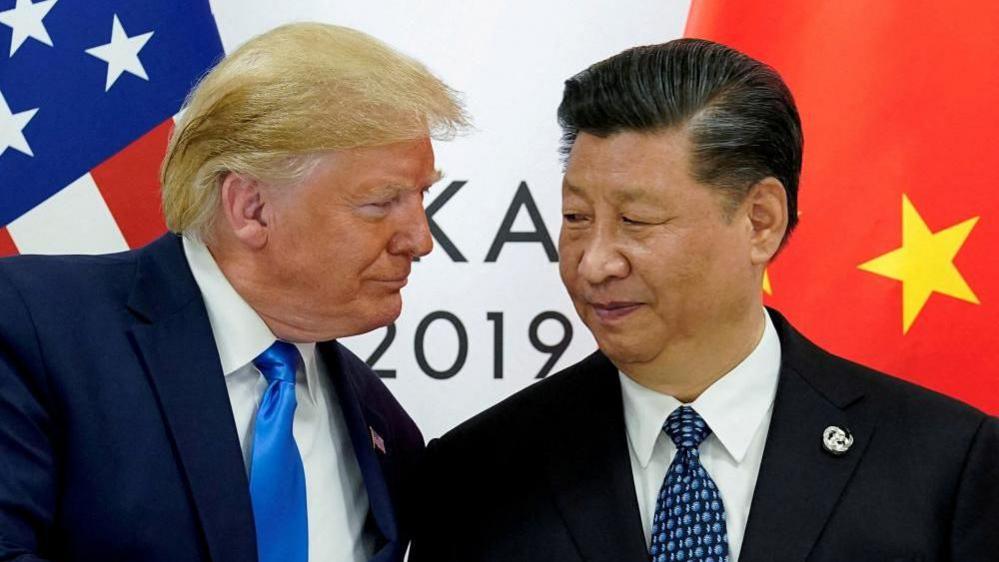
Other nations are watching closely. European allies, India, and Japan will recalibrate their own strategies. Some may see the US as weakened, while others may seek closer ties with Moscow and Beijing. The summit also highlights the importance of understanding adversary motivations. Trump’s failure stems partly from a misreading of the Russia China relationship as fragile. In reality, it is one of the most resilient partnerships in modern geopolitics.
For Russia and China, the outcome boosts their confidence. They have proven that they can withstand American pressure without sacrificing their partnership. This unity will likely embolden them to pursue joint initiatives in technology, finance, and security. They may accelerate efforts to create alternative global systems, like a new reserve currency or a parallel internet. The world is entering a new phase of geopolitical competition, one where coalitions are stronger than ever.
A Strong Conclusion
The superpower summit was supposed to be a turning point. Instead, it became a lesson in the limits of power. Trump’s failure to separate Russia and China is not just a personal setback but a strategic warning for future US administrations. The old playbook of bilateral deals and pressure tactics no longer works in a multipolar world. Russia and China have built a partnership based on trust, mutual benefit, and shared vision. Breaking it will require more than a summit. It will require a fundamental shift in how America engages with the world. As the leaders departed, the cameras captured a handshake between Putin and Xi. It was a quiet but powerful image of unity, a reminder that some bonds cannot be broken by transactional offers.