India & Russia Will Jointly Set Up Urea Factory
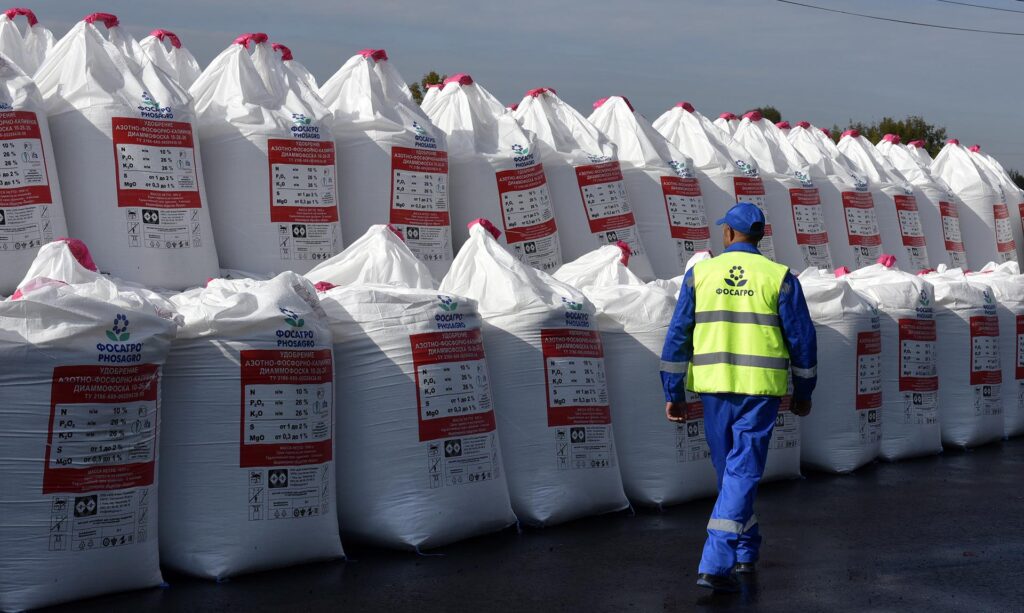
In the sprawling fields of Punjab and Uttar Pradesh, where the golden waves of wheat and rice have long been nourished by a steady supply of urea, a shadow has fallen. The war in Iran, a distant conflict with ripples that reach every corner of the global fertilizer market, has choked supply lines and sent prices soaring. Indian farmers, the backbone of the nation’s food security, have been staring at an uncertain season. But now, a ray of hope emerges from an unlikely place: the frosty plains of Samara, Russia. In a bold move that blends geopolitics with agricultural necessity, India and Russia have accelerated plans to jointly set up a urea factory, a venture that promises to reshape the fertilizer landscape for millions.

This is not just a business deal. It is a story of two nations forging a partnership in the crucible of crisis, a tale of diplomacy meeting the earth’s most basic need: food. As the world watches, the Samara plant is being built not merely as a factory but as a lifeline. Let’s dig into the details of this transformative project, its origins, and what it means for the farmer tilling the soil back home.
The Urea Crisis: A Storm Brewing in the Fields
Urea is the lifeblood of modern agriculture. It provides the nitrogen that crops crave, boosting yields and feeding billions. But the global urea market has always been volatile, tied to natural gas prices, shipping routes, and geopolitical tensions. The conflict in Iran, a major producer and transit hub for fertilizers, has exacerbated an already fragile situation. Sanctions, supply disruptions, and skyrocketing prices have left India, the world’s second largest consumer of urea, scrambling for alternatives.
For Indian farmers, the crisis translates into delayed sowing, higher input costs, and the gnawing anxiety of debt. The government’s subsidy bill has ballooned, yet the shortage persists. This is the backdrop against which the joint venture between India and Russia takes on profound significance. It is a strategic pivot, a move to insulate India’s food supply from the whims of a chaotic world.

A Strategic Partnership: Beyond Business as Usual
The relationship between India and Russia has weathered decades of change, from the Cold War to the multipolar world of today. It has been built on defense, energy, and a shared vision of a non aligned order. Now, agriculture is joining that list. The decision to set up a urea plant in Samara is not a spur of the moment choice. It is the fruit of prolonged negotiations, technical assessments, and a mutual recognition that food security is the new frontier of sovereignty.
Russia, blessed with abundant natural gas, has a comparative advantage in urea production. India, with its vast agricultural market, offers a guaranteed buyer. The joint venture is a classic win win: Russia secures a stable export destination, India secures a reliable source of fertilizer. But the stakes go deeper. This plant represents a model of south south cooperation, a template for how developing nations can bypass the volatility of global markets through bilateral industrial collaboration.
The Samara Plant: A Two Year Race Against Time
Located in the Samara region, about 1,000 kilometers southeast of Moscow, the factory is being built on a sprawling site that once housed a Soviet era industrial complex. The climate is harsh, with winters that test the limits of engineering, but the resolve is unwavering. According to official sources, the plant is expected to be completed within two years, a remarkably short timeline for a project of this scale.
The facility will be one of the largest urea production units in Russia, with an annual capacity that could meet a significant portion of India’s import needs. It will use advanced technology to minimize emissions and maximize efficiency, adhering to modern environmental standards. The joint venture structure involves Indian investment, Russian gas and infrastructure, and a shared management team. For the workers in Samara, it means thousands of jobs. For the farmers in India, it means a steady supply of affordable urea.
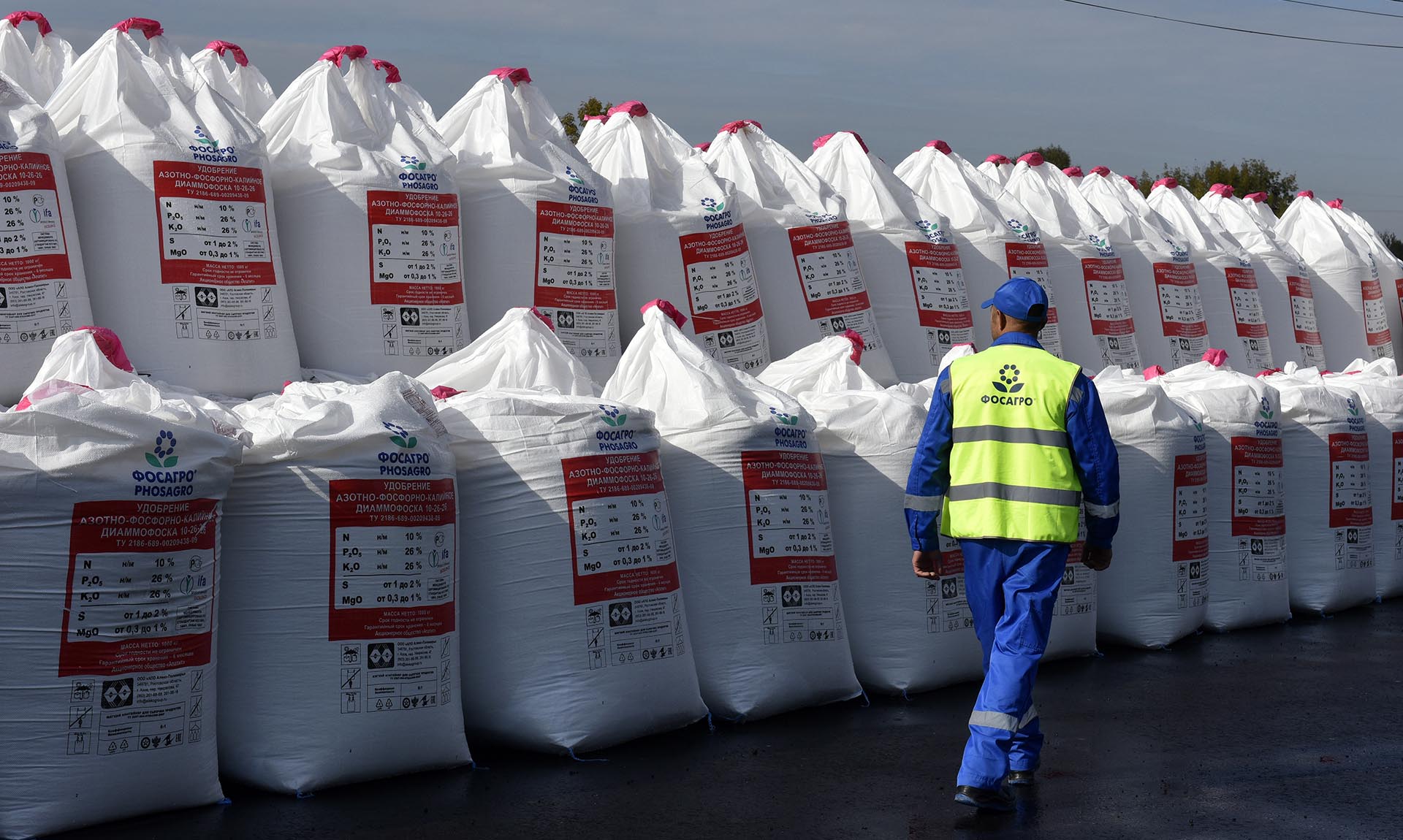
What This Means for Indian Farmers
The most immediate impact will be a reduction in India’s dependence on spot markets for urea. Currently, India imports about 30% of its urea, often at prices dictated by global traders. The Samara plant will provide a buffer, allowing the government to negotiate long term contracts at stable prices. This translates to lower subsidies and more predictable costs for farmers.
But the benefits go beyond economics. The plant is a symbol of strategic autonomy. In a world where food is increasingly weaponized, having a dedicated production facility in a friendly nation is a form of insurance. It also opens the door for further cooperation in phosphate and potash fertilizers, addressing India’s broader nutrient needs.
For the farmer in a remote village, the news may not immediately change the cost of a bag of urea today. But the promise of the Samara plant offers hope. It is a reminder that amidst the noise of war and diplomacy, there are still projects that connect to the soil, to the harvest, and to the plate. India and Russia are not just building a factory; they are planting a seed of resilience.
Conclusion: A Fertilizer Future Forged in Crisis
The joint urea factory in Samara is more than a response to a crisis. It is a statement about the future of global agriculture. As climate change, conflict, and supply chain disruptions continue to rattle the world, the nations that invest in self reliance through partnerships will thrive. India and Russia, with their historical ties and complementary strengths, are showing the way.
In two years, when the first bag of urea rolls off the assembly line in Samara, it will carry not just nitrogen but the weight of a collaborative vision. For every grain of rice and wheat that feeds a billion people, this project will have played its part. The fields of India may be far from the frozen Volga, but the connection is now unbreakable. The urea crisis is not over, but the path forward is clearer, stronger, and greener.