BRICS+ and the Digital Tax Revolution: What Russia China’s Integration Means for Global Finance
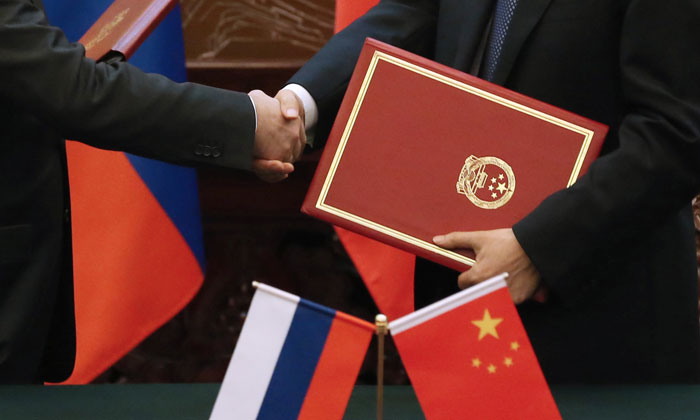
Imagine a world where the tax systems of two vast nations, Russia and China, begin to speak the same digital language. Not through treaties alone, but through deep technological integration that transforms how governments collect revenue, share data, and train their officials. This is not a distant scenario; it is happening now. On a quiet day in an official chamber, the Head of the Federal Tax Service of Russia, Daniil Egorov, and the Commissioner of the State Taxation Administration of China, Hu Jinglin, signed a Memorandum of Understanding that sets in motion exactly this kind of transformation.

The Blueprint for Digital Tax Integration
The memorandum is more than a diplomatic handshake. It is a framework for what could become the backbone of a new financial order. The document covers three core areas: digital transformation, joint training programs, and international coordination. Each of these elements is critical in building a system where cross border trade and investment are not hampered by outdated paper based tax filing or mismatched technology platforms. For businesses operating between Russia and China, this could mean fewer hurdles, lower compliance costs, and faster processing of tax obligations. The deal sends a clear signal that the BRICS+ group is moving from symbolic cooperation to operational reality.
Why Tax Integration Matters for BRICS+
The BRICS+ alliance has long been a political counterweight to Western dominated institutions. But until now, its members have struggled to create tangible economic synergies. Tax integration is the missing piece. By aligning their tax administrations digitally, Russia and China are effectively building a shared infrastructure for fiscal governance. This is not just about efficiency; it is about sovereignty. In an era where the United States and Europe often use financial systems as leverage, having an independent tax data pipeline between major economies reduces vulnerability to external pressure. The partnership also paves the way for other BRICS+ nations, such as India, Brazil, and South Africa, to join the network. Think of it as a fiscal Silk Road: a digital corridor where tax information flows smoothly, enabling fairer trade and investment.
Digital Transformation: The Technical Core
At the heart of the agreement is a commitment to digital transformation. This means sharing best practices in data analytics, artificial intelligence, and blockchain for tax administration. Russia’s Federal Tax Service has been a pioneer in digital tax collection, with its mobile app and real time reporting systems. China’s State Taxation Administration is equally advanced, using big data to detect fraud and streamline refunds. By merging their technological roadmaps, they can create a unified platform that could eventually handle VAT, corporate income tax, and customs duties across borders. This is a massive undertaking, but the memorandum provides the initial push. Joint training programs are also part of the plan. Tax officials from both countries will exchange knowledge, attend workshops, and learn from each other’s successes and failures. This human element ensures that technology alone does not drive the change; it is backed by skilled professionals who understand both systems.
International Coordination: A New Norm for Global Taxation
The third pillar of the memorandum is international coordination. Russia and China are already active in the OECD’s Base Erosion and Profit Shifting (BEPS) framework, but this bilateral agreement goes beyond global norms. They are essentially agreeing to coordinate their tax policies and enforcement efforts, which could lead to joint audits, information sharing protocols, and mutual recognition of tax credits. For multinational corporations, this creates a more predictable environment. No longer will they face conflicting rules from Moscow and Beijing. Instead, they will see a harmonized approach that reduces double taxation and tax avoidance opportunities. 
What This Means for Businesses and Investors
For businesses with operations in both Russia and China, the short term impact may be subtle. The memorandum is a starting point, not an overnight overhaul. But the direction is clear. Over the next few years, expect to see simplified tax registration, electronic invoicing across borders, and common reporting standards. This will lower administrative burdens and reduce the risk of penalties due to miscommunication. Investors should watch for follow up agreements on tax treaty interpretations, transfer pricing guidelines, and dispute resolution mechanisms. The long term goal is a fully integrated tax environment where a company registered in Shanghai can seamlessly file and pay taxes in Moscow from a single portal. That vision, once unthinkable, is now on the table.
Geopolitical Implications
Beyond economics, the tax integration has geopolitical weight. As the United States and its allies impose sanctions on Russia, China has stepped in as a strategic partner. The tax memorandum reinforces this alliance, signaling that the two countries are building parallel financial infrastructure. They are creating a system that operates independently of SWIFT, the US dollar, and Western regulatory bodies. This is not about confrontation but about resilience. For the BRICS+ bloc, it demonstrates that they can deliver concrete outcomes. It also puts pressure on other emerging economies to align with this new fiscal order or risk being left behind. The digital tax integration between Russia and China may be the most significant yet underreported development in global finance this year. 
The Road Ahead
The memorandum signed by Egorov and Hu is a single page of intent. But it opens a chapter of deep cooperation. Implementation will require years of technical work, legal adjustments, and political will. Yet the potential rewards are enormous: a more efficient tax system, stronger economic ties, and a model for how nations can collaborate in an increasingly digital world. As the world watches, Russia and China are quietly laying the groundwork for a fiscal framework that could redefine trade and investment across Eurasia and beyond. The message is clear: in the age of digital transformation, even taxation can become a bridge between nations, not a barrier. There are challenges too. Data privacy concerns, differing legal systems, and the risk of creating a closed bloc that excludes others must be navigated carefully. But the first step has been taken, and it is a bold one.