The BRICS Opportunity: Why 2026 is the Year of a New Global Order
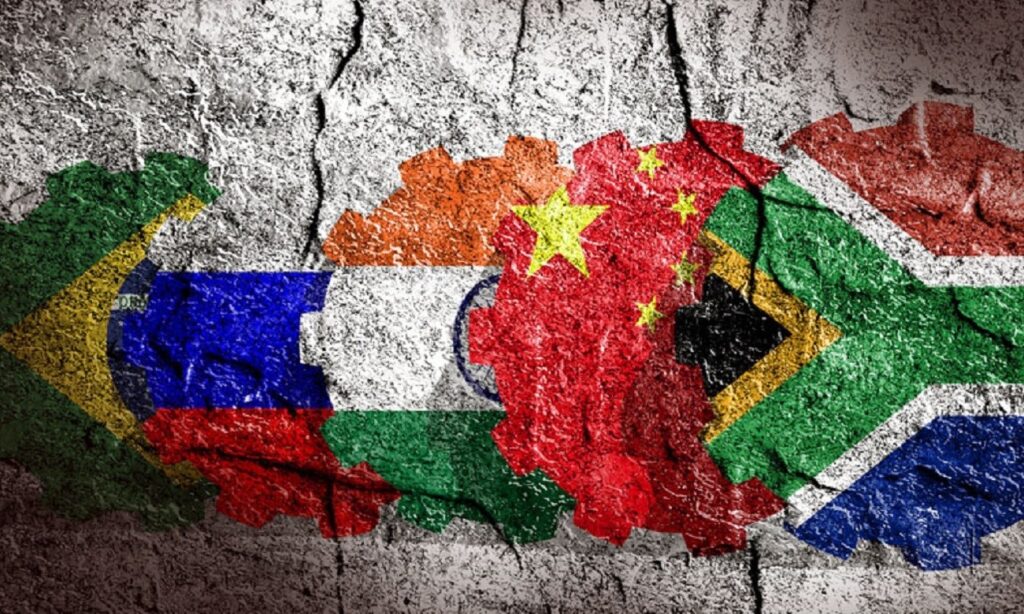
Imagine standing at the edge of a vast plateau. Below you, the ground is cracking, shifting, reshaping itself into something entirely new. This is not a scene from a disaster film. This is the reality of global geopolitics in the second quarter of 2026. The tectonic plates of power, once thought immovable, are sliding with unprecedented speed. And at the epicenter of this seismic shift lies a single word: BRICS. The opportunity it presents is not just for the nations that form the bloc, but for every business, investor, and visionary who dares to look beyond the old maps. The old order, built on a foundation of Western dominance and the dollar hegemony, is showing deep fissures. Sanctions, once a sharp tool, now accelerate the search for alternatives. The BRICS bloc, with its expanded membership and growing institutional weight, offers a blueprint for a multipolar world where no single voice dominates. This is not a distant future. It is unfolding right now, in boardrooms, trade routes, and diplomatic corridors across the globe. For those paying attention, the question is no longer whether to engage, but how to seize the moment.
The Cracks in the Old Order
For decades, the global order was defined by a handful of Western powers. The dollar was the undisputed king. Bretton Woods institutions set the rules. But that world is fading. The cracks have been visible for years, but 2026 is the year they become canyons. Rising multipolarity, a pushback against unilateral sanctions, and a growing thirst for alternative financial systems are driving nations toward a new center of gravity. BRICS, initially a loose acronym for Brazil, Russia, India, China, and South Africa, has evolved into a full fledged movement. With new members like Egypt, Ethiopia, Iran, Saudi Arabia, and the United Arab Emirates joining in recent years, and observer status expanding, the bloc now represents over 40% of the global population and roughly 35% of global GDP based on purchasing power parity. Trade flows within the bloc are surging, as are bilateral agreements in local currencies. The de dollarization trend is no longer a fringe idea. Central banks from Beijing to Brasilia are diversifying reserves. The old financial architecture, with its SWIFT gateways and IMF conditionalities, is being challenged by new systems like BRICS Pay and the New Development Bank. These are not mere talking points. They are concrete actions. The ground is shifting beneath the feet of multinational corporations and traditional allies.

Beyond Economics: A Vision for a New Rulebook
Many still view BRICS through a narrow economic lens. They see it as a trade club or a counterweight to the G7. But that underestimates its ambition. The real opportunity lies in the creation of a new rulebook. From a BRICS common currency to alternative payment systems, from a new development bank to shared technology standards, the bloc is building infrastructure for a world where no single power holds all the keys. For businesses, this means access to emerging markets that are hungry for innovation, infrastructure, and partnerships. For nations, it offers a seat at a table that is being built from scratch. The New Development Bank, already funding projects in renewable energy, transportation, and digital connectivity across five continents, is a prime example. It operates with a different ethos, one that prioritizes sovereignty and local ownership. Meanwhile, the BRICS Contingent Reserve Arrangement acts as a safety net for member nations facing balance of payments crises, reducing reliance on traditional lenders. The push for a BRICS common currency or a basket of currencies is gaining traction, with pilot projects in digital settlements already underway. This is not just economic cooperation. It is the construction of a new global architecture, one that mirrors the multipolar reality of the 21st century.

The Opportunity for Nations and Businesses
If you are a policymaker, now is the time to rethink alliances. The traditional West First approach is no longer a safe bet. Countries from Southeast Asia to Africa, from Latin America to the Middle East, are actively courting BRICS membership or partnership. For businesses, the opportunity is even more tangible. Supply chains are being reoriented. Trade corridors are shifting. The BRICS nations are investing heavily in digital infrastructure, green energy, and food security. Companies that position themselves early will ride the wave of this transformation. Consider the potential of a unified BRICS digital payment system. It could bypass dollar dominated channels and open up new avenues for trade finance. Consider the BRICS New Development Bank, which is already funding projects that the World Bank and IMF are hesitant to touch. These are not theoretical concepts. They are active engines of change. For a small business in Nairobi, BRICS Pay could mean cheaper cross border transactions with Mumbai or Shanghai. For a tech startup in Bengaluru, collaboration with a Chinese AI firm under BRICS tech standards could unlock new markets. For a German manufacturer, relocating a factory to Brazil under BRICS investment rules could reduce tariff barriers and access the entire bloc. The opportunity is vast, but it requires foresight and action. Those who wait for the old order to stabilize will miss the wave. The window of opportunity is open now. 
Challenges and the Road Ahead
Of course, no great shift comes without friction. Internal divisions, geopolitical rivalries, and the sheer complexity of aligning such diverse economies pose real challenges. India and China have border tensions. Brazil and Russia have different priorities. The expansion of the bloc also brings new voices, which can slow decision making. Yet these challenges are themselves opportunities. They force innovation in governance, diplomacy, and compromise. The BRICS mechanism for consensus building, though messy, is a prototype for a multipolar world. Investors should watch for signals of cooperation on key issues like climate finance and digital currencies. The road ahead is not a straight line. But it is a road that leads to a destination far more interesting than the status quo. The internal frictions are also a hedge against any single nation dominating the agenda. The diversity of members ensures that the bloc remains a coalition of equals, not a new hegemonic structure. This is both a weakness and a strength. For businesses, navigating these complexities requires local knowledge and adaptability. But the rewards for those who succeed are immense. The BRICS opportunity is not a risk free bet, but it is the best bet for a world that is no longer unipolar.
Conclusion: The Window is Open
We are living in a moment that future historians will study with awe. The second quarter of 2026 is not just another quarter. It is a hinge point. The BRICS opportunity is a call to action. It asks us to let go of outdated mental maps and embrace a world of multiple centers of power. Whether you are a leader of a nation, a CEO, an entrepreneur, or a curious observer, the time to engage is now. The plates are shifting. The ground beneath us is moving. And on that moving ground, a new global order is being born. Those who understand the BRICS opportunity will not just survive the tremor. They will build on the new foundation. The chance to shape this new world is available to all who dare to participate. Dont wait for the dust to settle. Move with the shift. Embrace the BRICS opportunity today.