NATO in Crisis: The Great Contradiction of US Troop Withdrawal and a Colonel’s Quiet Embed
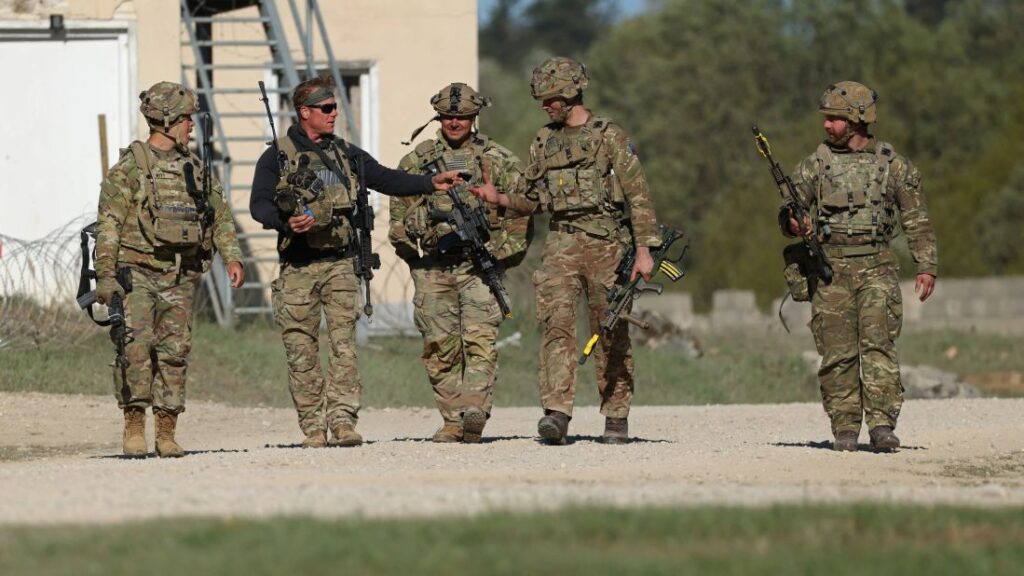
It was a chilly morning in Brussels when the first rumors began to drip through the halls of NATO headquarters. A withdrawal. Five thousand American soldiers from Germany. The numbers were stark, the implications deeper. For decades, Germany had been the lynchpin of American military power in Europe. The announcement, when it came, felt like a seismic crack in the transatlantic alliance. Yet, as the dust began to settle, a strange and almost contradictory detail emerged: an American colonel was being quietly embedded into the German military. Not a withdrawal of influence, but a subtle, more intimate form of control. This is the story of NATO in crisis, a tale of two signals, and what they mean for the future of the alliance.

The Announcement That Shook the Alliance
The news broke like a thunderclap. The United States, the undisputed leader of NATO, would pull 5,000 troops from German soil. The official reasons were muddled. Some whispered about burden sharing, others about geopolitical realignment. The German government, caught off guard, scrambled to reassess its defense posture. For the average soldier stationed in Ramstein or Stuttgart, the announcement was a gut punch. They had built lives, families, and careers around the permanence of the American presence. Now, they were being told to pack up. The crisis was not just about numbers. It was about trust. NATO, the alliance that had held the West together for over seven decades, suddenly appeared fragile. The withdrawal was a public display of disengagement, a signal that Washington was no longer willing to pay the price for Europe’s security without conditions.
A Curious Countermove
But while the world focused on the departing boots, a quieter, more strategic move was unfolding. Deep within the Pentagon’s planning rooms, a decision had been made to embed an American colonel inside the German military command structure. This was not a routine exchange program. It was a surgical insertion of American military expertise into the heart of the Bundeswehr. The colonel would advise, coordinate, and, some feared, influence German operational decisions from within. The contrast was jarring: pulling thousands of troops while planting a single, highly placed officer. It was as if the US was saying, We are leaving, but we are also staying. We are withdrawing our mass, but not our reach.

The Embedded Colonel: A New Model of Influence?
To understand this contradiction, one must look at the changing nature of military alliances. Traditional troop presence is a blunt instrument of power. It projects force, reassures allies, and deters adversaries. But it is expensive and politically visible. The embedded colonel represents a more subtle, agile tool. By placing an officer inside the German military, the US can maintain direct access to decision making, intelligence sharing, and operational planning without the overhead of a full brigade. This model is not entirely new. The US has embedded officers in partner nations before, but never at such a senior level in a major NATO ally. The message is clear: the US is pivoting from a garrison strategy to a network strategy. It is trading bases for brains.
Germany’s Dilemma: Sovereignty vs. Security
The German response has been muted, almost perplexed. On one hand, the withdrawal of 5,000 troops feels like a demotion. Germany has long relied on the American security umbrella. Losing that visible presence stokes anxiety, especially with a resurgent Russia on the eastern flank. On the other hand, having an American colonel embedded inside the German military command is an intimate intrusion. It challenges German sovereignty in a way that a distant garrison does not. German generals must now ask themselves: Is this colonel a partner or a puppet master? The answer likely lies in the gray zone of interdependence. For Berlin, the new reality is that the US will not simply protect Germany because of history or alliance. It will protect Germany only if it can influence how Germany fights. The colonel is the instrument of that influence.
NATO’s Identity Crisis: Mass or Precision?
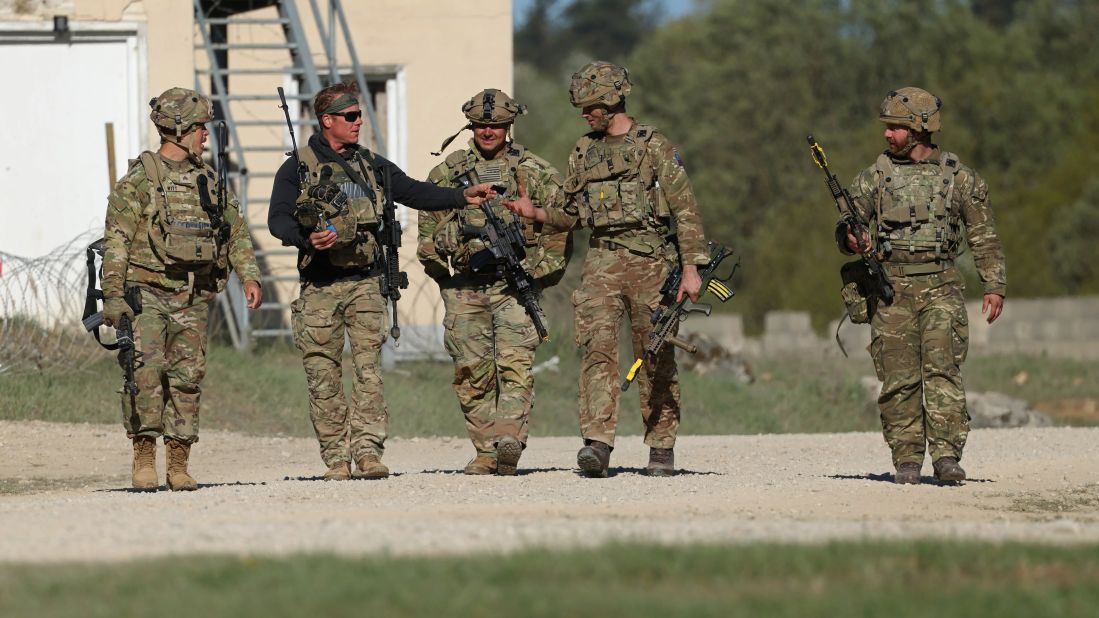
The dual move sends NATO into a deeper existential crisis. The alliance was built on the principle of collective defense, with massive standing forces ready to respond to any aggression. The US withdrawal from Germany suggests that Washington no longer sees mass as the primary deterrent. Instead, it is investing in precision influence. This shift has profound implications. Smaller NATO members, like the Baltic states, who rely on the visible presence of US troops as a tripwire, will feel exposed. Larger members, like France and the UK, may see this as an opportunity to assert their own leadership. But the embedded colonel model could create a two tier alliance: those who host American officers and those who do not. The unity of NATO, already strained by years of discord, may fracture further.
What This Means for the Future
The story of the withdrawal and the embed is still unfolding. Observers are watching for further signals. Will the US embed colonels in other NATO countries? Will Germany accept this as the new normal or push back? The colonel’s role is officially advisory, but in military culture, advice from a senior US officer carries weight. It can shape doctrine, procurement, and even deployment decisions. For the average European citizen, this may feel like a loss of autonomy. For Washington, it is a cost effective way to maintain leadership. The crisis of NATO is not a collapse, but a transformation. The alliance is morphing from a club of equal partners into a network where the US holds the keys to command through embedded agents.
A Tale of Two Signals
Consider the optics. A massive convoy of American vehicles rolling out of Germany, cameras capturing the end of an era. Meanwhile, in a quiet office in the Bendlerblock in Berlin, a US colonel sits down with his German counterpart to review operational plans. One image is for the world, a declaration of reduced commitment. The other is for the insider, a declaration of continued control. The two signals together paint a complex picture: the US is no longer willing to be the benevolent occupier, but it is not ready to let Europe go its own way. The crisis is real, but it is a crisis of management, not abandonment.
Conclusion: The Unfinished Puzzle
NATO stands at a crossroads. The withdrawal of 5,000 troops from Germany is a clear message that the old rules no longer apply. But the embedding of an American colonel is a whisper that new rules are being written. For alliance members, the challenge is to adapt to a world where the US exerts influence not through presence, but through penetration. The crisis may be the beginning of a more agile, but also more unequal, NATO. Or it may be the prelude to a complete unraveling. The next months will reveal whether the colonel becomes a bridge or a wedge. One thing is certain: the old certainties are gone, and the new NATO is being crafted behind closed doors, one colonel at a time.